
Anatomy TUESDAY – First CMC Joint of the Thumb – Saddle Up!
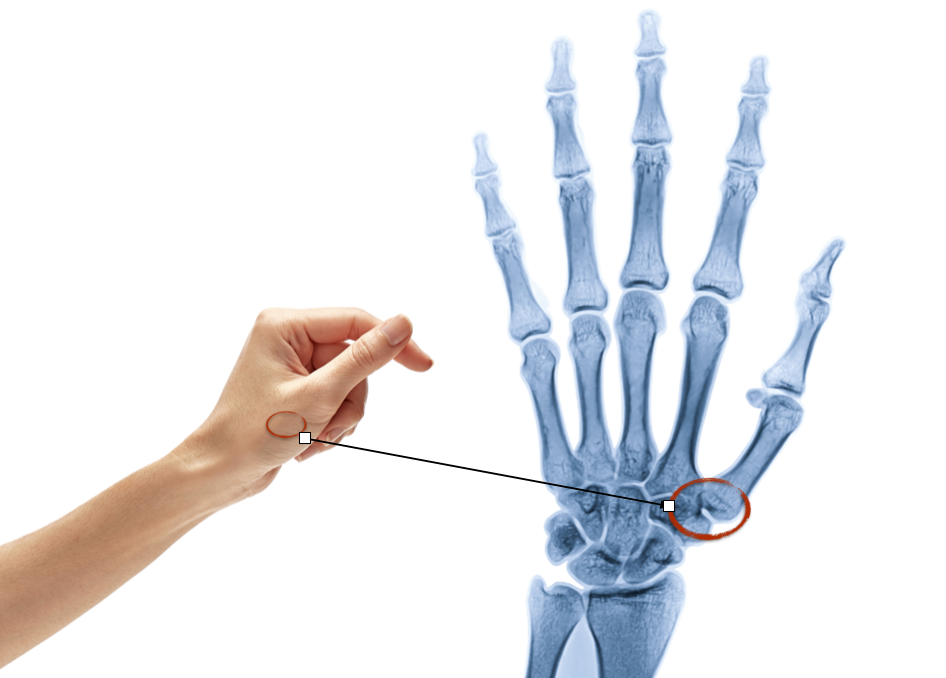
A saddle joint is a joint that is biconcave-convex. That means in one plane of motion it is concave moving on convex and in another plane it is the opposite. Picture two Pringles potato chips together.
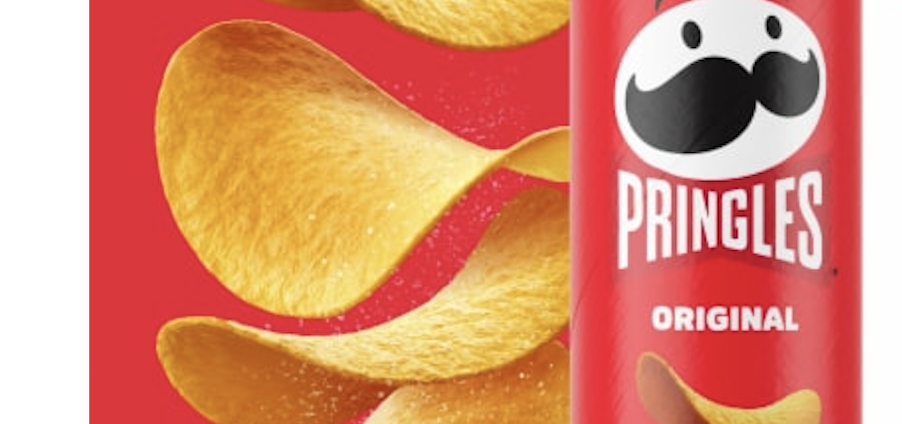
Notice how medially to laterally the surface is convex. But anterior to posterior, the surface is concave. This joint orientation allows for complex movement patterns and increased ROM. There are three saddle joints in the body: the first carpometacarpal joint (CMC) joint of the thumb, the sternoclavicular joint and between the incus and malleus bone of the inner ear.
The first CMC joint is designed to allow for grasping, pinching, gripping and manipulating objects. The hand without the thumb would be like having a spatula, with two thirds of hand function occurring due to opposition of the thumb to one of the other fingers.
Kinesiology of the First CMC Joint
During flexion/extension of the thumb (moving your thumb like a windshield wiper across your palm), the first CMC joint is a concave surface moving on a convex surface. During abduction/adduction the first CMC joint is convex moving on a concave surface.
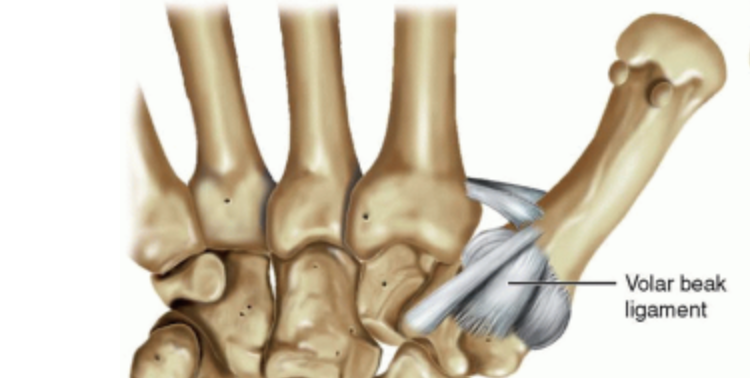
The most common cause of osteoarthritis (OA) of the first CMC joint is laxity in the anterior oblique ligament of the thumb, also known as the beak ligament.
Lateral pinching (key pinching), grasping a jar (cylindrical grip) and and opening a jar are three primary motions that involve the thumb.
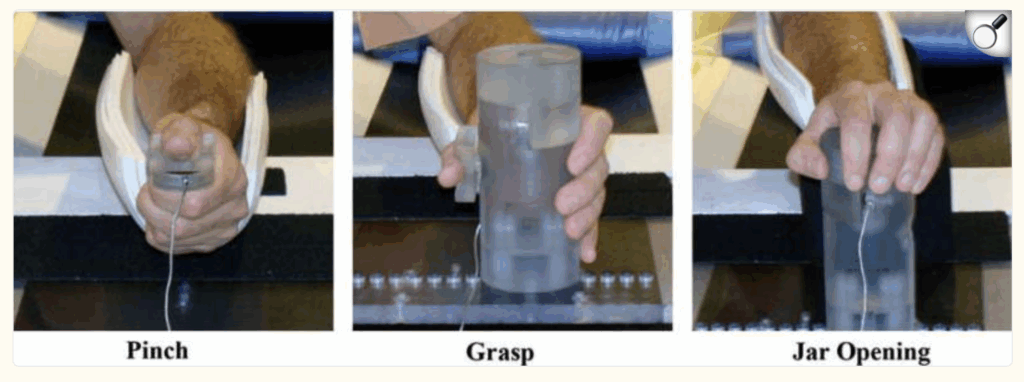
In a study regarding thumb function, the weakness of the cylindrical grasp was seen in early signs of osteoarthritis (OA) of the first CMC joint. When grasping an object, there is a tenfold increase in joint forces at the first CMC compared to pinching. Weakness of key pinching was the most robust indicator of OA.
Also interesting to note, the hand is the terminal end of upper extremity function and is dependent on good trunk and leg support and a mobile shoulder for optimal function. People with abnormal hand function compensated with more shoulder abduction and elbow flexion when compared to their normal counterparts.
Why does this matter?
The first CMC joint of the thumb is a complex saddle joint providing two-thirds of hand function. It is also the most common joint to suffer from osteoarthritis. You should test your thumb. Oppose it to each finger. Wipe your thumb across your hand. Move your thumb away from your palm. Pinch. Grasp. Open jars. A healthy thumb is dependent on stability of the trunk and legs. And if you have to treat the thumb, remember its a saddle joint and mobilize accordingly.
Because nobody has time to be in pain.
Until next time…
Kind Regards,
MoveWell Academy
[email protected]