Anatomy Tuesday – Picking Apart the Patella
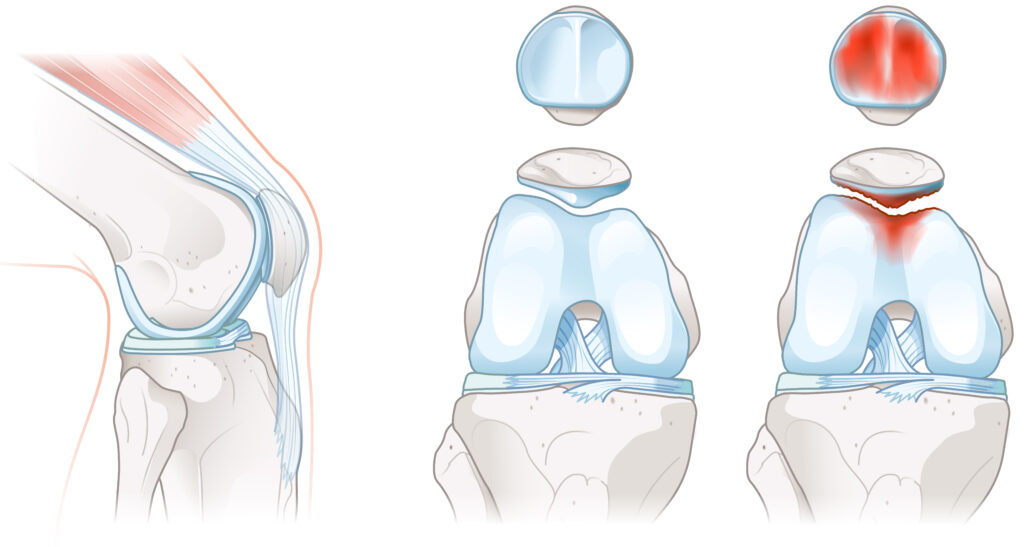
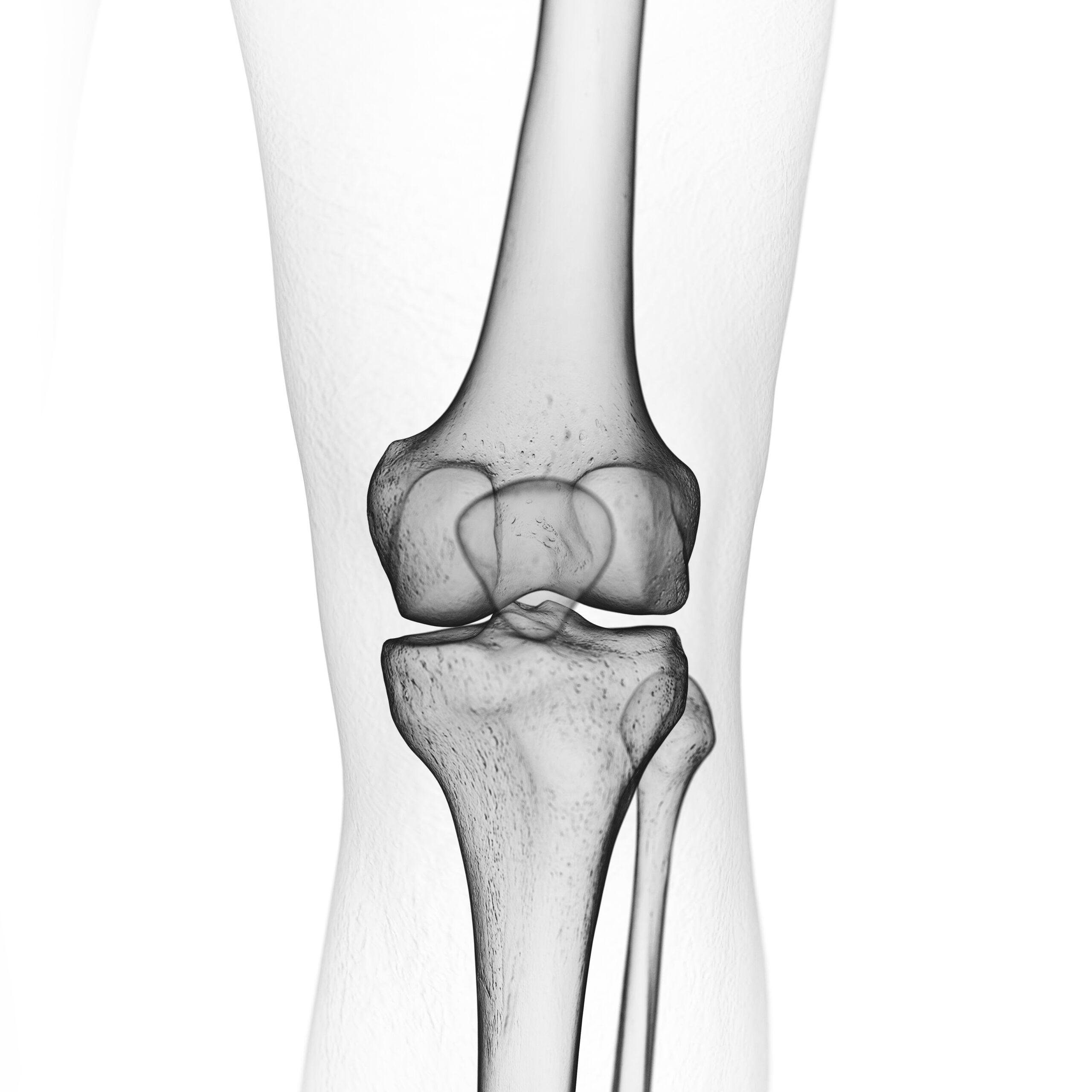
I am hard pressed to think of a more unfortunate bone than the patella. Seated between the femoral condyles, but attached to the tibia via the patellar tendon, the patella is entirely dependent on proper biomechanics of the hip (which controls the femur) and the ankle (which controls the tibia) to remain correctly seated. Acting as an anatomical pulley, it increases the force of the quadricep muscle by upwards of 33%-50%.
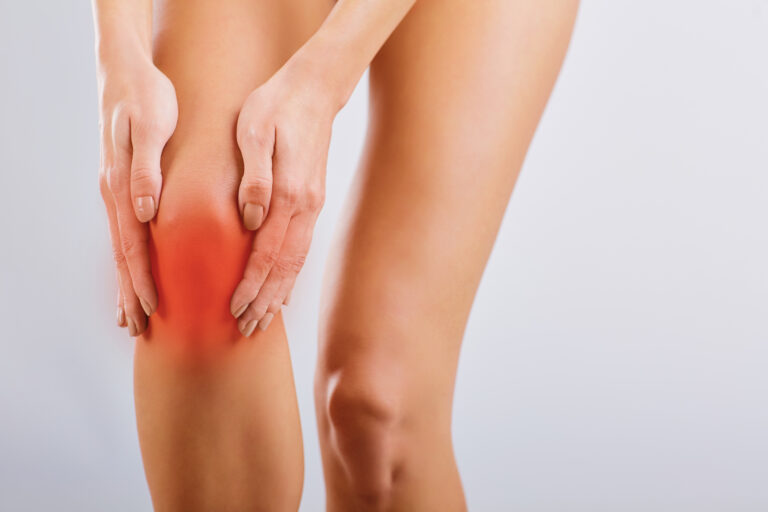
Patellofemoral pressures range from .4% of body weight during walking, 5 times body weight during running, 7 times body weight during a standard squat and up to 20 times body weight during a deep squat. It isn’t hard to see why patellofemoral pain is one of the most common overuse and insidious onset knee problems plaguing adults today. And yet, there are many people running, jumping and squatting without knee pain.
What sets the pain-free knees apart from the painful ones?
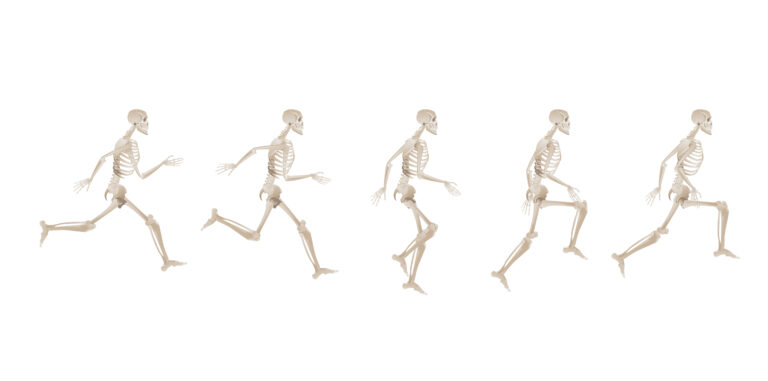
- Femoral position – If the femur is excessively externally rotated, the medial patellar facet will take on more pressure. This may occur with tightness (trigger points) in the piriformis, posterior gluteus medius, psoas major, adductor magnus and lateral gastroc. If the femur is excessively internally rotated, the lateral patellar facet will take on more pressure. Trigger points in the anterior gluteus medius, TFL and/or medial gastrocnemius signal this position.
- Tibial position – If tibia is excessively externally rotated, the lateral patellar facet will take on more pressure. Tight lateral hamstrings or a lack of ankle dorsiflexion are usually the culprits of this position. If the tibia is excessively internally rotated, the medial patellar facet will take on more pressure. This occurs with tightness of the medial hamstring or a lack of subtalar joint eversion.
Why does this matter?
The only time the patella doesn’t take on pressure is when the knee is fully hyperextended and that isn’t a very functional position. It is designed to take on pressure and a lot of it. It just needs to be seated in the proper place when it takes on that pressure.
We have all felt the stiffness under our kneecaps when we stand up after sitting for a long time, or have heard the crunching sound that happens as we walk up the steps. But that dysfunction is not inevitable. By ensuring proper positioning of the femur (the chair it sits on) and the tibia (the bone is it connected to), we can ensure healthy, normal joint mechanics. In the case of the patellofemoral joint, it is imperative that we listen to the joint crying out in pain and we look elsewhere for the cause.
Because nobody has time to be in pain.
Until next time…
Kind Regards,
MoveWell Academy
[email protected]