Muscle Minute TUESDAY – Windswept (Part 1 – Introduction)
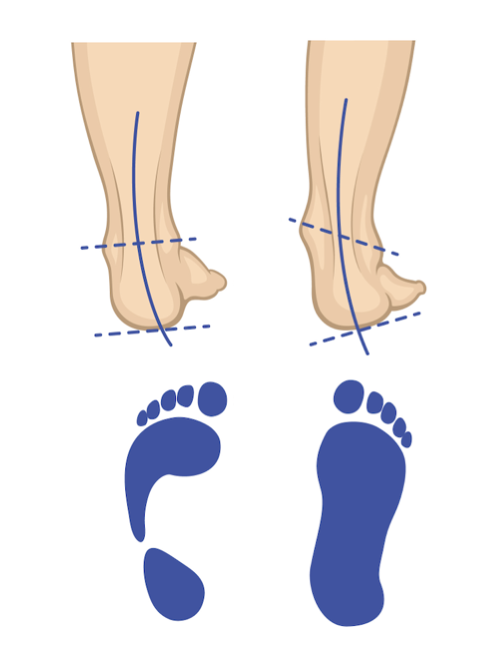
I spend a lot of time thinking about over pronation and over supination, so I thought I’d kick off a series of blogs talking about what the ramifications are of each. In reality, there are few of us who function entirely over pronated or over supinated. Most of the patients I see with insidious onset overuse injuries like patellofemoral pain, meniscal tears of the knee, hip bursitis, SI joint problems, lower back pain and even rotator cuff and cervical pain exhibit a posture we call windswept.
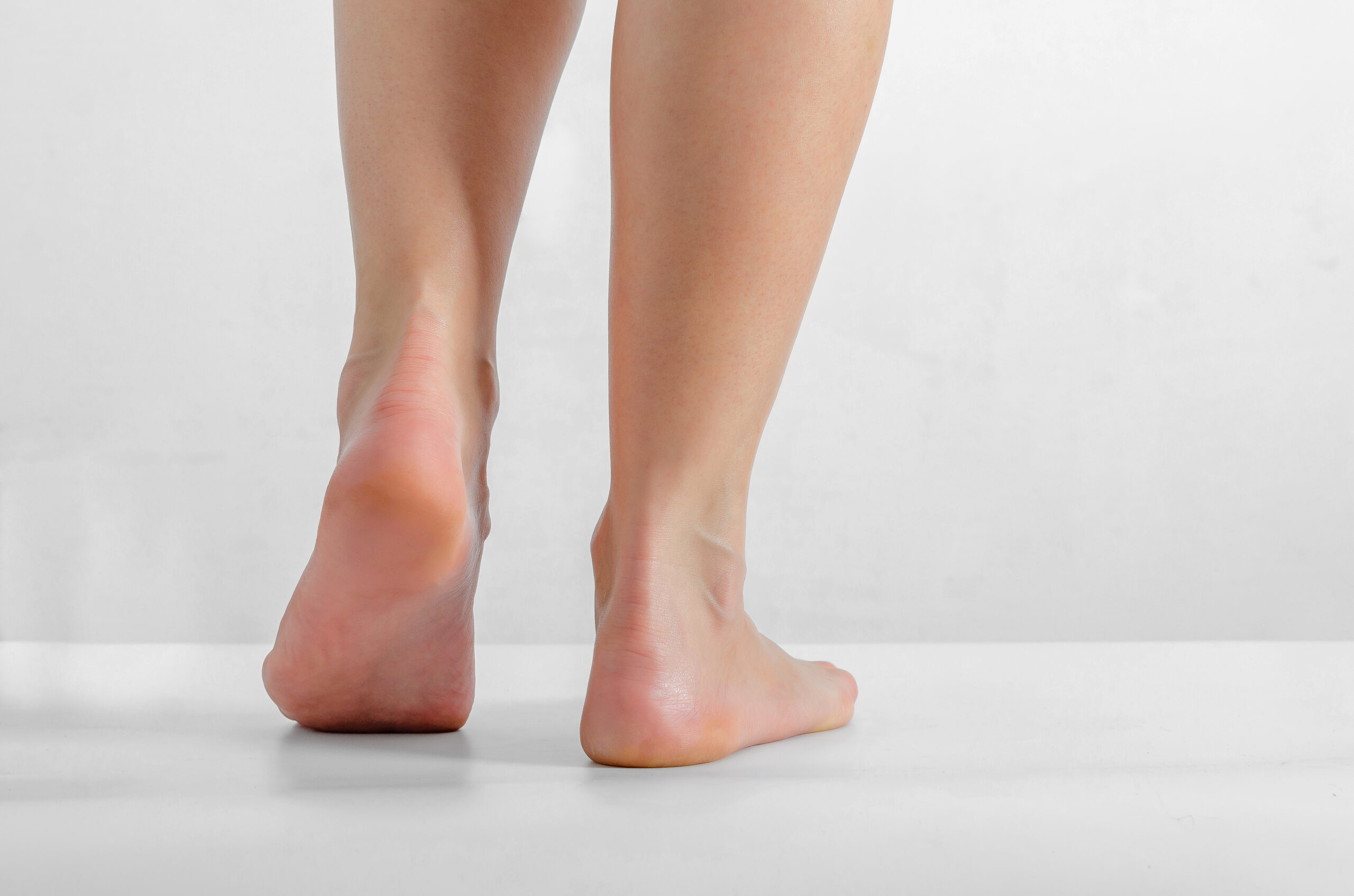
The illustration above is what we would call windswept to the left (left foot over supinated and right foot over pronated) and is the most common orientation of this posture that I see. Below is a table for you to start thinking about:
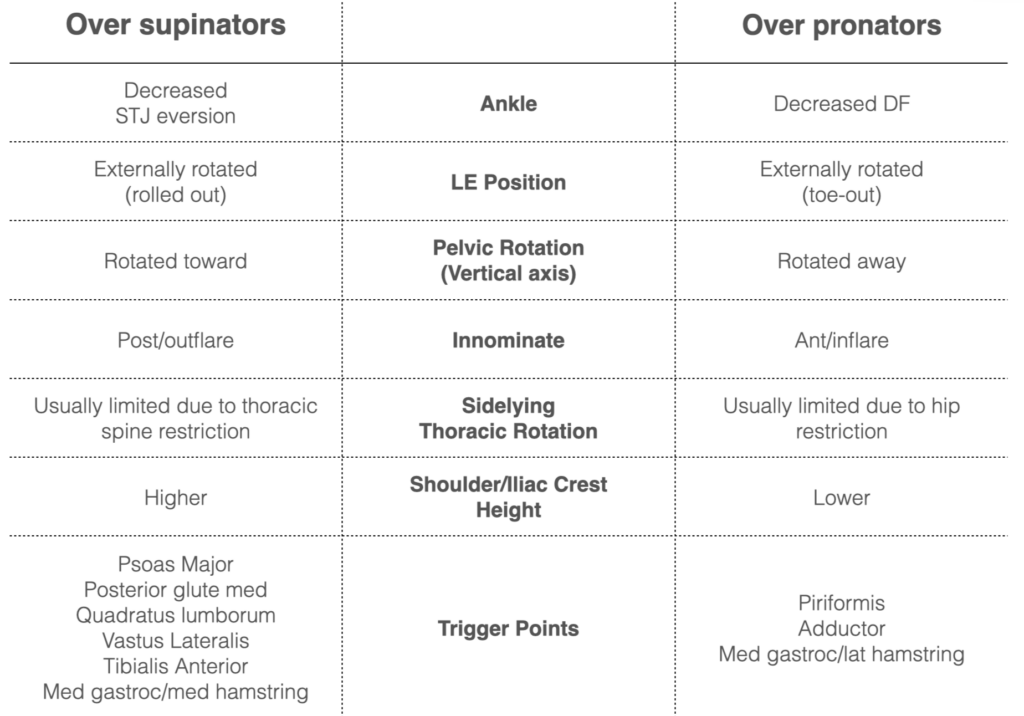
Beginning next week, we will talk about the windswept posture of the ankle, how to evaluate, treat and prescribe exercises. Starting at the ankle is no accident as it is the first point of contact with the ground and sets up a biomechanical reaction all the way up to the head and neck. I hope you follow along and maybe even share this series with someone you know who either treats musculoskeletal injuries or is suffering from one.
Why does this matter?
You were designed to pronate and supinate. When your foot hits the ground, you pronate for the first 25% of your stance phase to absorb shock and then you spend the next 75% of the time supinating to propel yourself forward. When one foot stays supinated too long (or doesn’t pronate), the other one has to over pronate and this creates the windswept posture that lies at the root of most overuse injuries. Join me for the next seven weeks and let’s solve this problem.
Because nobody has time to be in pain.
Until next time…

Kind Regards,
MoveWell Academy
[email protected]