Anatomy TUESDAY – The Foot/Ankle Complex (Part 4) – Tarsometatarsal Joint
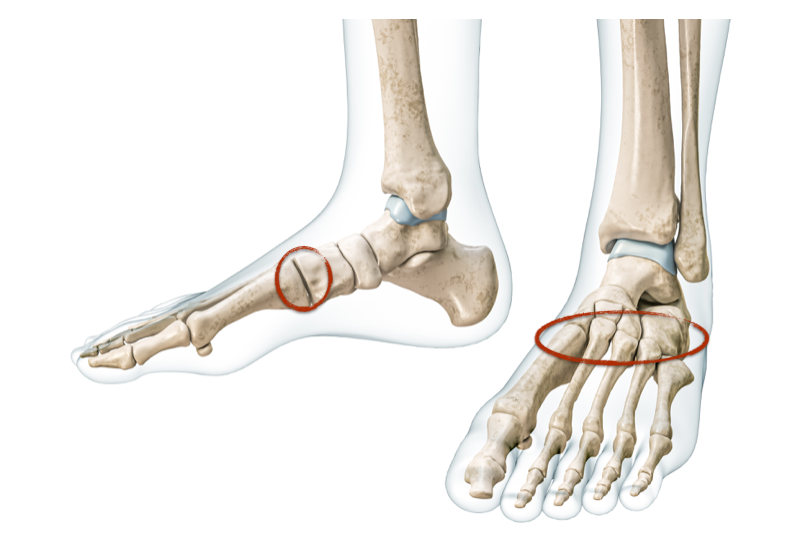
As our study of the foot continues distally, we encounter the tarsometatarsal joint (TMT). This is the pivotal joint (literally) that allows the foot to stay on the ground while the previous mentioned joints (STJ, TCN, TT, collectively known as the hindfoot) perform pronation and supination.
The TMT joint is comprised of the five rays: a metatarsal bone (long bone) and it’s associated cuneiform (short bone) for rays 1-3 and a metatarsal bone and the cuboid for rays 4-5.
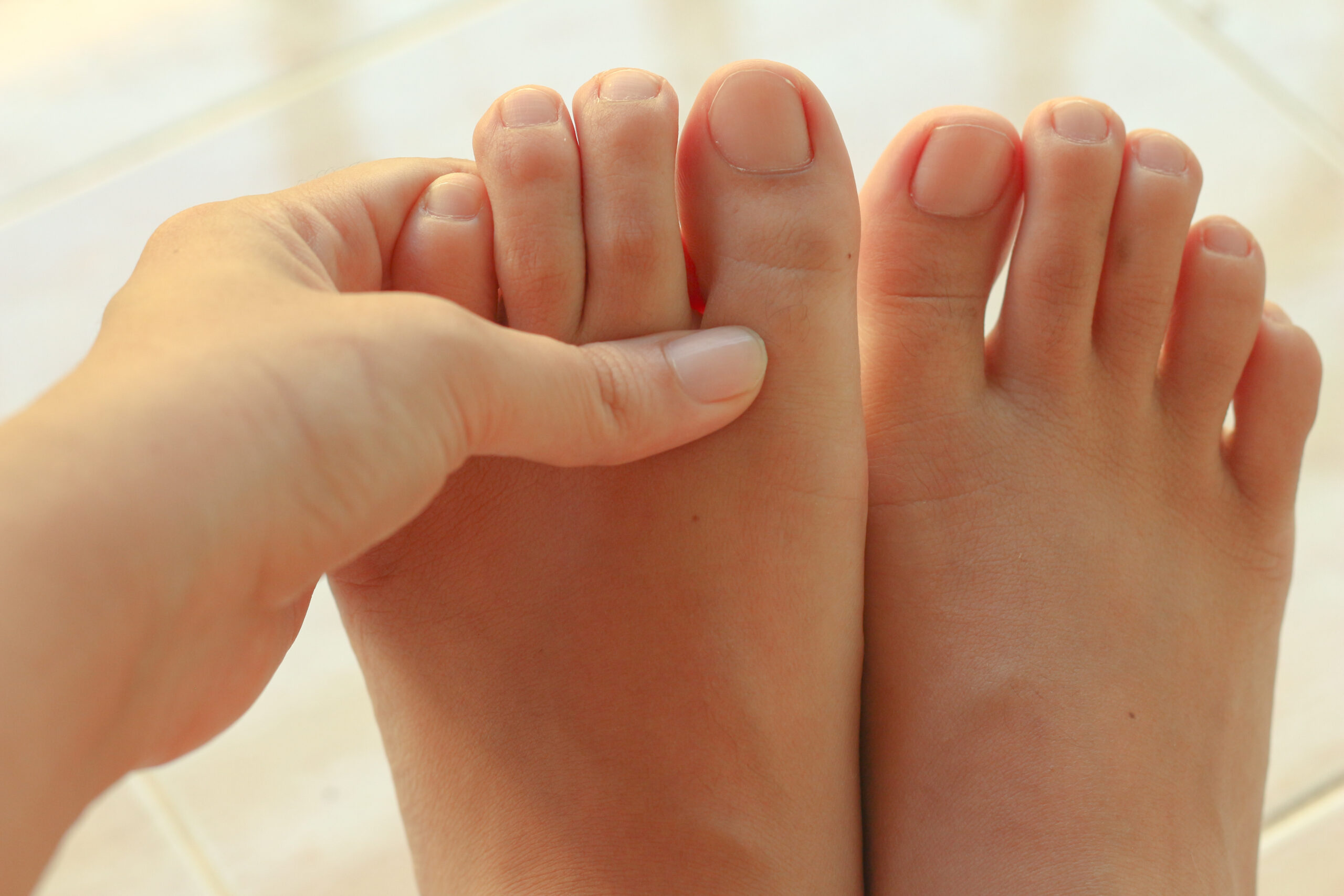
The first ray is the largest and most mobile. You should be able to grasp the first ray and move it dorsally and plantarly approximately a thumb depth in each direction.
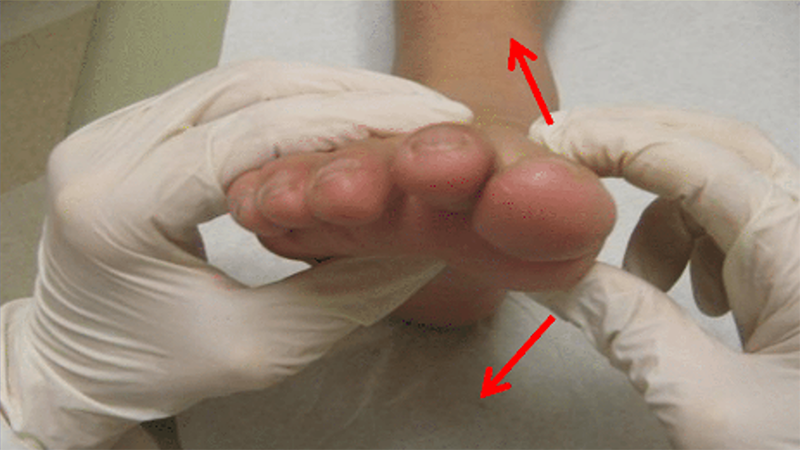
You should be able to repeat this by moving your hands over and with the fifth ray. The first and fifth ray mobility is what contributes to the phenomena known as the pronation and supination twist.
Stand and roll the weight to the insides of your feet (pronation). As your hindfoot pronates, a counterrotation occurs at the TMT joint known as the supination twist. This is what allows you to pronate the hindfoot and still keep all five toes on the ground.
When the hindfoot supinates, the 1st and 2nd toes plantarflex and the 4th and 5th toes dorsiflex causing the TMT joint to move into the pronation twist, allowing the toes to remain in contact with the ground.
Why does this matter?
If TMT joint motion is lacking, pronation of the hindfoot would result in the 4th/5th rays coming off the ground, and supination would results in the 1st/2nd rays coming off the ground, the latter being more common. This joint in the middle of the foot (midfoot) is key in allowing the greatest amount of surface contact of the foot with the ground, enhancing balance.
Previous lower extremity injuries, wearing shoes that are too supportive and general lack of toe mobility may contribute to hypomobility of the TMT joint. Try these three things to keep the TMT joint moving:
- Sup/Pro Dance – Stand and alternately roll to the inside and outside edges of your foot. Minimize your knee motion during this activity and make sure to keep your toes on the ground.
- Extend your big toe while you flex toes 2-5. – Do this with your foot off the ground. This one is tricky and you may have to use your hands to re-teach your big toe to move separately from your other toes.
- Flex your big toe while you extend toes 2-5. You’ll notice as you perform this and the previous moves, the midfoot naturally twists to allow for this motion.
That’s the amazing TMT joint in action. It is a rarely discussed but pivotal joint in foot mobility. We should consider it and keep it moving.
Because nobody has time to be in pain.
Until next time…

Kind Regards,
MoveWell Academy
[email protected]