Kinesiology THURSDAY – Stephanie’s Right Chef’s Elbow
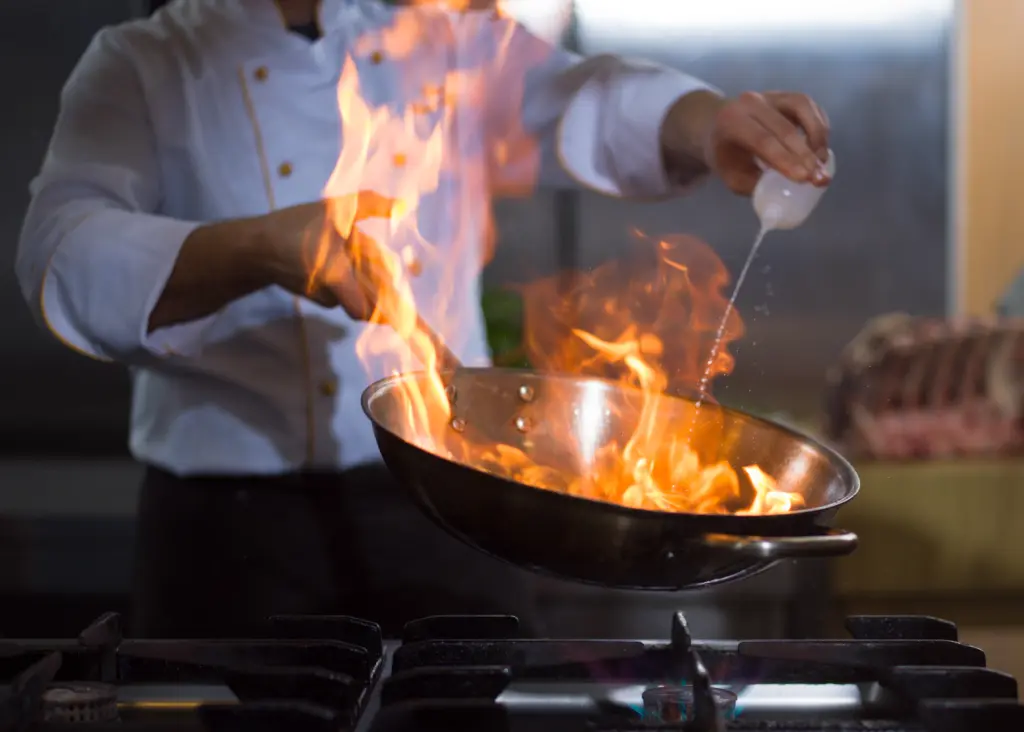
Have you ever looked at a cast iron skillet like it was your nemesis? What I’m going to be talking about today is a case of Chef’s Elbow. I just made that name up. In the real world, it might be called Tennis Elbow, or lateral epicondylitis. And as I dig into this case, you will realize that it isn’t even a classic case of that.
I’ve spent weeks talking about athletic injuries but I’ve neglected to mention some unsung heroes, our culinary athletes. And I’m not just talking about professional chefs. There are a lot of people who have just spent, or about to spend, a ton of time in the kitchen cooking up feasts to feed their friends and families. This involves lifting and manipulating pots, pans and heavy platters and sometimes the elbow pays the price.
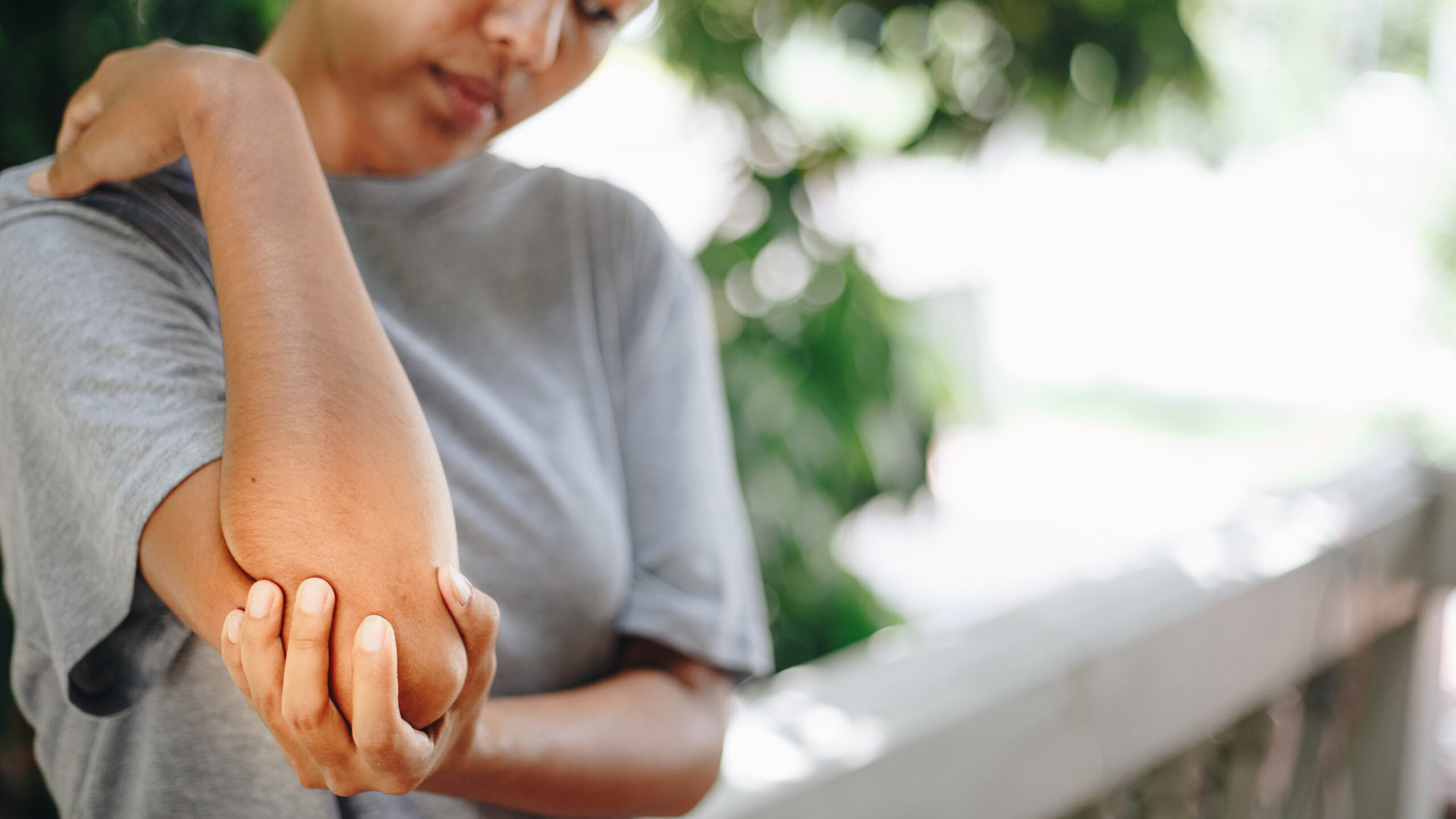
That was Stephanie’s predicament. She came in complaining of lateral elbow pain that increased if she gripped anything. She first felt the symptoms after cooking up a large meal for a celebration. She pinpointed her pain in the area of the lateral epicondyle and pain was reproduced with resisted wrist extension and supination, classic symptoms of tennis elbow involving extensor carpi radialis longus/brevis and the supinator.
Here’s what I found:
- Bicep brachii trigger points
- Anteriorly displaced radial head
Here’s what I did:
- Corrected the anteriorly displaced radial head with muscle energy. Here’s a video.
- Released trigger points in the bicep brachii muscle and mobilized the radial head posteriorly. You can watch that video here.
I confirmed the effectiveness of the techniques by re-testing isometric wrist extension and supination, which were pain-free and strong.
Why did that work?
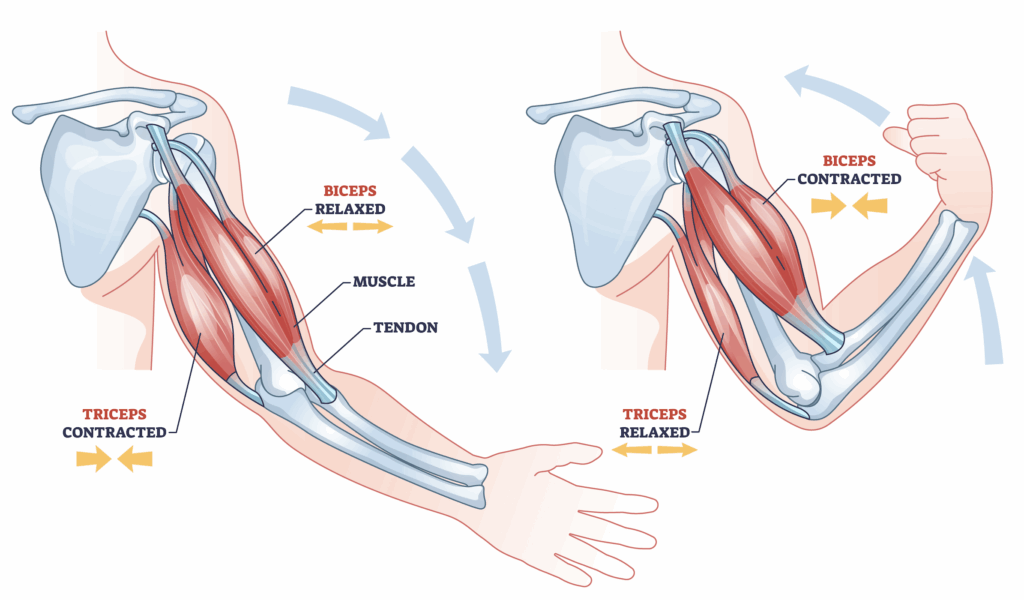
Repetitive lifting or carrying requires strong contractions of the bicep brachii which may cause anterior subluxations of the radial head with symptoms mimicking classic tennis elbow. By correcting radial head position, lateral elbow pain was immediately reduced and normal strength returned with wrist extension and supination.
Like any joint subluxation, ligaments have been stretched, so it is important to teach the patient how to perform a self-correction and stretch the appropriate muscles in order to keep the bone in the correct position. Think of it like a sprained ankle. Sprained ankles heal as long as you don’t keep stretching the ligament. The same goes for the annular ligament and the radial head.
Next time you see a culinary athlete with elbow pain, consider the pull of the bicep on the radial head. It’s important. Because we all need to eat and nobody has time to be in pain.
Until next time…

Kind Regards,
MoveWell Academy
[email protected]