Anatomy TUESDAY – Heal Me (Part 4) – Bone
If you were ever a student of mine, you will remember the two things I repeatedly taught about bone:
- Bone is laid down along lines of stress (Wolff’s Law)
- Bone is strongest in compression, weaker in tension and weakest in shear
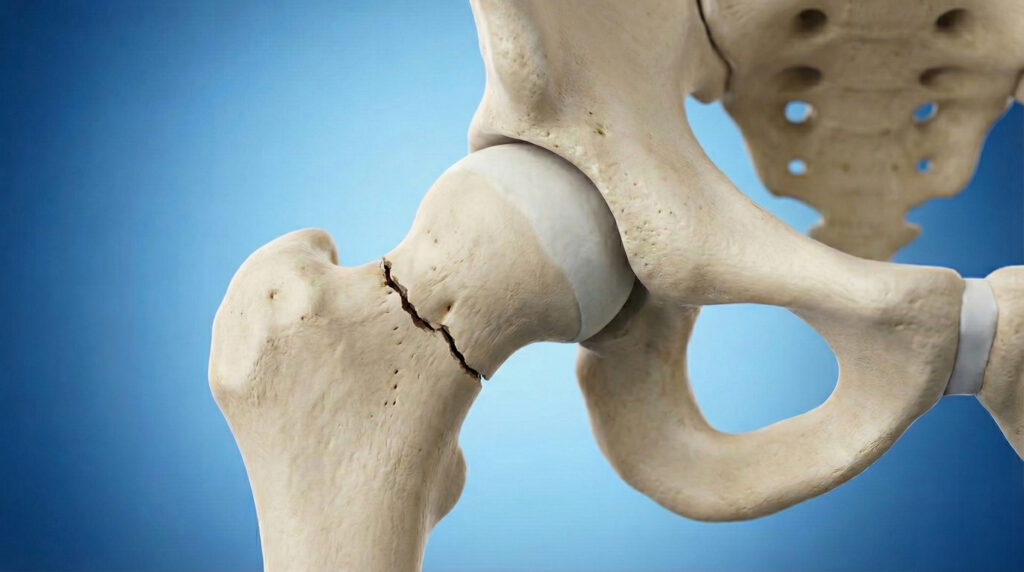
Fractures to bone usually occur from a shear force. Whether caused by trauma, stress, or disease, a broken bone sets off a highly coordinated series of events designed to restore strength and function. Understanding how this process works not only highlights the body’s resilience but also underscores the importance of proper care during recovery.
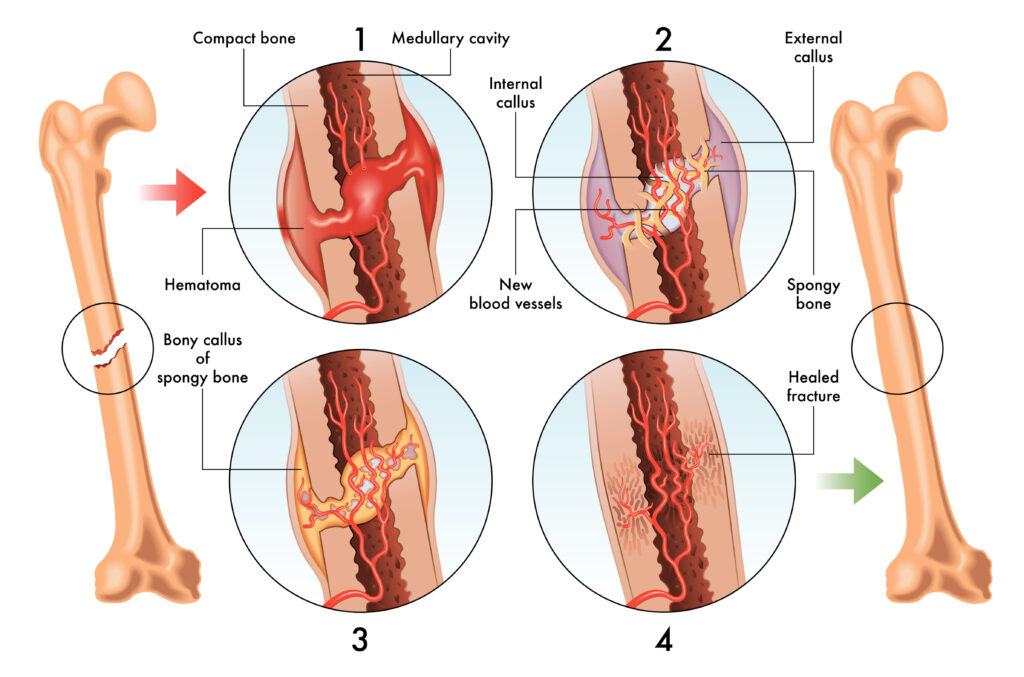
Stages of Bone Healing
- Inflammatory phase (0-7 days) – The first stage begins immediately after a fracture and is known as the inflammatory phase. Blood vessels that were damaged during the injury bleed into the surrounding area, forming a clot called a hematoma. This clot serves as the foundation for healing, attracting inflammatory cells that clean up debris and release signals to recruit other cells needed for repair. Pain, swelling and limited mobility are key characteristics of this phase and immobilization is warranted.
- Reparative phase (1 week-6+ weeks) – This stage is where the body begins to rebuild the broken bone. Specialized cells called fibroblasts and chondroblasts produce a soft callus made of collagen and cartilage around the fracture site. This soft callus acts as a bridge, stabilizing the bone fragments. Over time, osteoblasts—cells responsible for forming new bone—replace the soft callus with a hard, mineralized callus. This transformation marks a significant step toward regaining structural integrity, although the bone is not yet fully restored to its original strength.
- Remodeling phase (6 weeks – months) – During this phase, the newly formed bone is reshaped and strengthened. Osteoclasts break down excess bone tissue, while osteoblasts continue to refine and reinforce the structure. Eventually, the bone regains much of its original shape and mechanical properties. Interestingly, the healed bone can sometimes become even stronger than it was before the injury, depending on factors such as age, nutrition, and overall health.
Rehabilitation Strategies for Bone Healing
- Bone is strongest in compression. And bone is laid down along lines of stress. Once weight bearing is allowed, it should be progressed as tolerated. Bone has very little pain reference, which is good news. If you are stressing the fracture site, the patient will be able to pinpoint the area of pain. As long as pain is not being reproduced in the area of the fracture site, increasing weight bearing as tolerated is the best strategy. In the case of upper extremity fractures, closed chain exercises are recommended early in the rehab cycle for this reason.
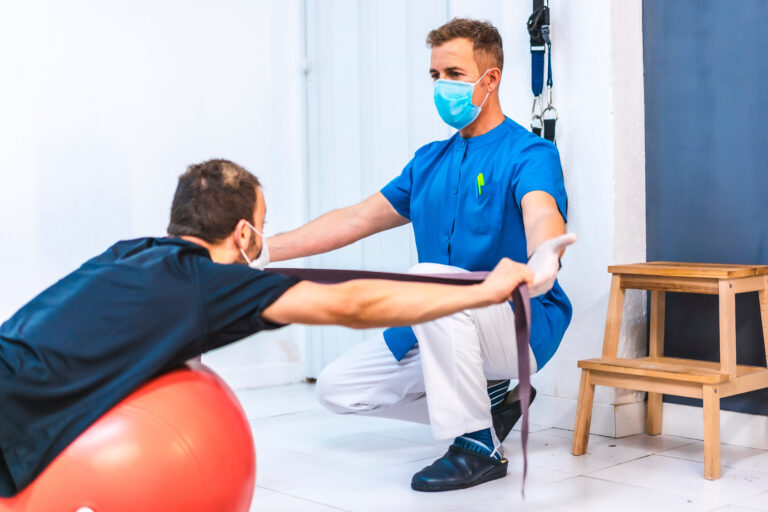
- Muscle contraction stimulates bone growth. In the early phases of rehabilitation (when weight bearing is not yet tolerated), isometric exercises will help promote bone healing and strengthening. Balance exercises (first on stable surfaces then progressing to unstable surfaces) are also an excellent way to promote bone growth when ROM is limited.
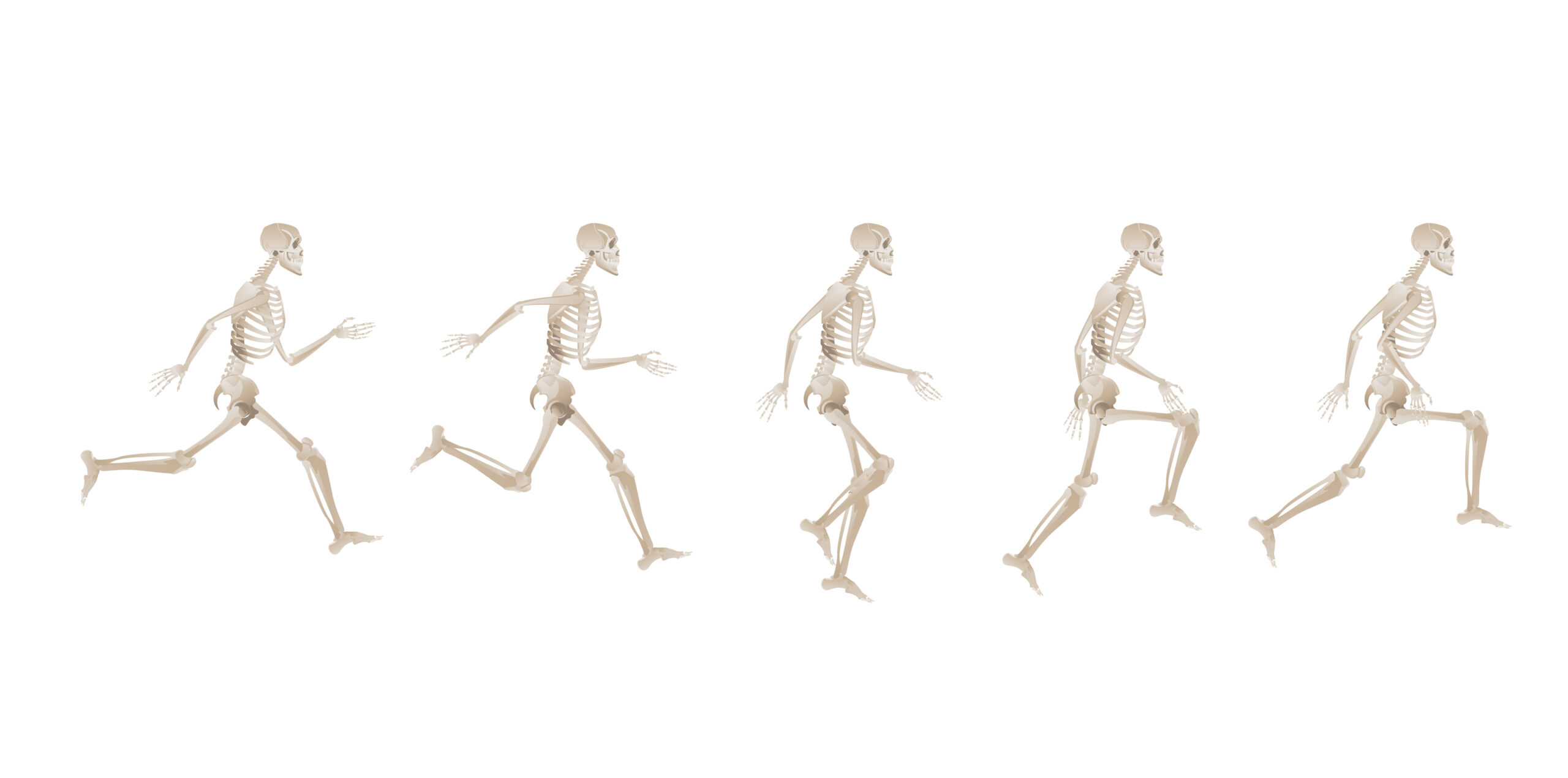
- Weight bearing > Weight lifting > Plyometrics. Stimulation for bone growth requires increasingly heavy resistance. Body weight and light resistance exercises (2-4 sets, 10-15 reps) should be progressed to heavier lifting (3-5 sets, 6-8 reps) and then ultimately plyometric (jumping or med ball throwing) activities (3-4 sets, 6-10 reps) which require the most rapid, eccentric load to muscles and dissipation of the greatest ground reaction forces transferred through the bone. Plyometric exercises should be high quality and low fatigue reps.
Why does this matter?
Bone healing is a complex yet efficient process that reflects the body’s natural ability to repair itself. Understanding the stages of healing and the factors that influence recovery, can help you maximize your patient’s (or your) recovery. Remember, bone is laid down along lines of stress. Exercises that are too easy or in non-functional positions often miss the mark on bone stimulation. Instead of leg lifts, leg extensions and leg curls for post-fracture rehab of the lower extremity, think squat, lunge, skip and jump. Instead of bicep curls and tricep extensions for the upper extremity (though these are also functional), think push-up and pressing for compression. And when it comes to bone, heavy is good.
Because nobody has time to be in pain.
Until next time…

Kind Regards,
MoveWell Academy
[email protected]