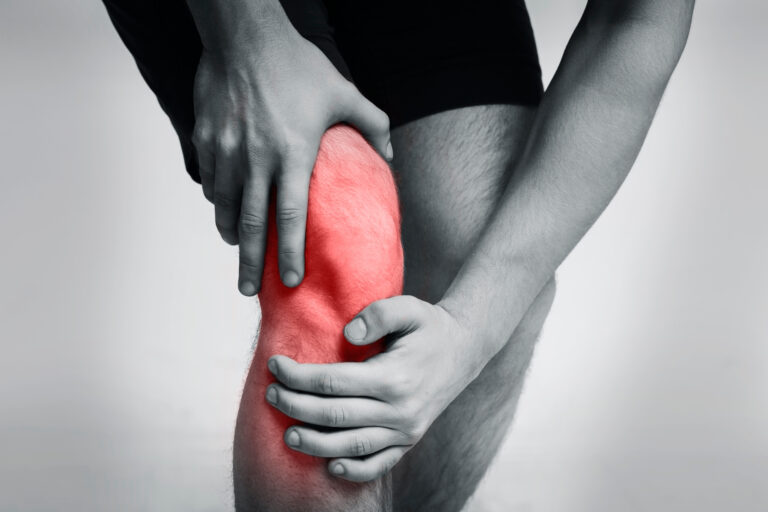

Anatomy TUESDAY – How Exercise Shapes Your Body – Recovery

Most people think exercise is what makes you stronger. But biologically, that’s only part of the story. Exercise is actually the stress placed on the body, while recovery is the phase where adaptation happens. Every workout creates small amounts of tissue damage, fatigue, nervous system stress, and energy depletion. Recovery is the process where the body repairs those disruptions and rebuilds itself to better handle future stress. Without recovery, exercise gradually breaks the body down. With recovery, it builds the body up.
When you train, your body receives a signal that says: this level of stress happened, and we need to prepare better next time. Recovery is when the body responds to that signal. During this phase, tissues repair microscopic damage, restore energy systems, remodel connective tissue, and rebalance the nervous system. This is why progress doesn’t actually happen during the workout itself—it happens afterward.
MUSCLE
Muscles are one of the most obvious tissues affected by recovery. Strength training and intense exercise create tiny disruptions within muscle fibers, along with inflammation and fatigue. During recovery, protein synthesis increases, damaged fibers are repaired, and muscles become stronger and more resilient. This process depends heavily on time, sleep, and adequate nutrition—especially protein intake. It is recommended to take in 20-40 grams of protein within 1-2 hours of completing a workout, with total intake per day of .7-1.0 grams of protein per pound of body weight.
CONNECTIVE TISSUE
Connective tissues such as tendons, ligaments, and fascia also adapt during recovery, but they do so much more slowly than muscles. After exercise, collagen production increases and these tissues gradually reorganize themselves to become stronger and more tolerant to force. Because tendons and ligaments have lower blood supply than muscle, their recovery process takes longer. This is one reason tendon pain and overuse injuries often develop when training volume increases too quickly. Muscles may feel recovered after a hard workout, while connective tissues are still remodeling beneath the surface.
BONE
During recovery, specialized cells called osteoblasts help strengthen bone structure and improve bone density. These adaptations depend not only on training, but also on adequate nutrition, hormonal balance, and rest between loading sessions. Bone becomes stronger during recovery—not during the impact itself. Adequate vitamin D and calcium intake aids in bone recovery. Requirements increase as you age. Here is a great reference.
NERVOUS SYSTEM
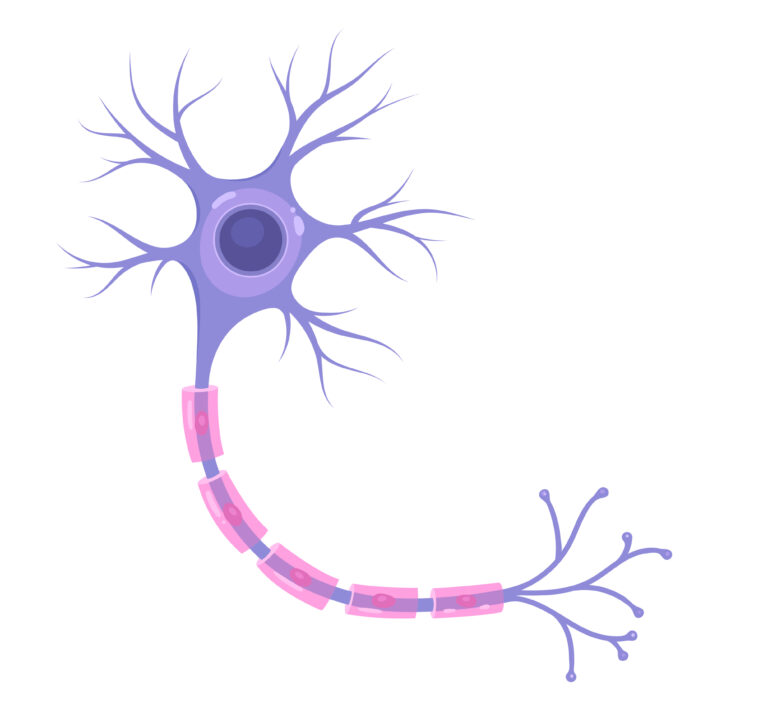
One of the most overlooked aspects of recovery is the nervous system. Hard training challenges coordination, reaction speed, motor unit recruitment, and stress hormone regulation. Without enough recovery, performance begins to decline, movement quality worsens, and motivation often drops. Recovery allows the nervous system to restore efficiency, reduce stress activation, and improve communication between the brain and muscles. Sometimes what feels like physical exhaustion is actually nervous system fatigue rather than muscle fatigue.
Here are some suggestions to help your nervous system recover:
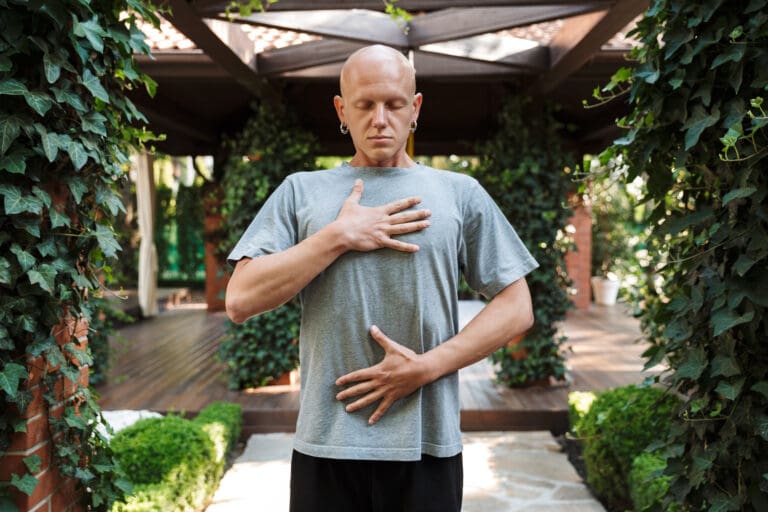
Activate the vagus nerve by:
Prioritize sleep by getting 7-9 hours of sleep a night. Sleep is one of the most powerful recovery tools in human biology. During sleep, growth hormone release increases, tissue repair accelerates, and nervous system recovery improves. Sleep is also critical for learning and movement coordination because the brain consolidates motor patterns during deep rest. Poor sleep reduces recovery speed, limits strength gains, and increases injury risk. Sleep is not passive inactivity—it is active biological rebuilding.
Eat a diet rich in magnesium (leafy greens, nuts) and Omega-3’s
ENERGY SYSTEMS
Recovery also affects the body’s energy systems. Intense exercise depletes glycogen stores and stresses the mitochondria responsible for producing cellular energy. During recovery, glycogen is restored and the mitochondria adapt to become more efficient. This is especially important after high-intensity interval training, endurance exercise, or high-volume workouts. Energy systems need recovery just as much as muscles and connective tissue do. While protein helps rebuild bone, carbohydrates are what replenish energy stores. Your body absorbs carbs best 30-60 minutes after a workout. With an intense workout, remember the 4:1 rule (4 grams of carbs for every 1 gram of protein).
Why does this matter?
The body adapts best when stress and recovery are balanced. Too little stress creates no adaptation signal, but too much stress without enough recovery leads to fatigue accumulation and tissue breakdown. This is where overtraining begins. Overtraining is not simply soreness after a hard workout. It occurs when recovery capacity can no longer keep up with training demands. Signs may include persistent fatigue, declining performance, poor sleep, increased injury frequency, mood changes, and elevated resting heart rate. More exercise is not always better. Adaptation requires recovery.
Recovery itself is not limited to complete rest days. It includes sleep, nutrition, hydration, stress management, mobility work, walking, and light movement. Low-intensity activity can improve circulation, reduce stiffness, and support tissue repair without adding excessive stress. Recovery is an active biological process—not simply “doing nothing.”
A balanced weekly routine often alternates harder training days with lower-intensity movement or recovery-focused days. For example, strength training may be followed by walking and mobility work, while higher-intensity cardio or HIIT sessions are separated by easier days to allow tissues and the nervous system time to adapt. This balance between stress and recovery is what allows long-term progress.
Ultimately, recovery is not the absence of training—it is the phase where adaptation actually occurs. It is when muscles rebuild, tendons remodel, bones strengthen, the nervous system resets, and energy systems recover. Without recovery, exercise is only stress. With recovery, stress becomes adaptation. And over time, that adaptation is what makes the body stronger, healthier, and more resilient.
Because nobody has time to be in pain.
Until next time…

Kind Regards,
MoveWell Academy
[email protected]