Anatomy TUESDAY – Heal Me (Part 5) – Nerve
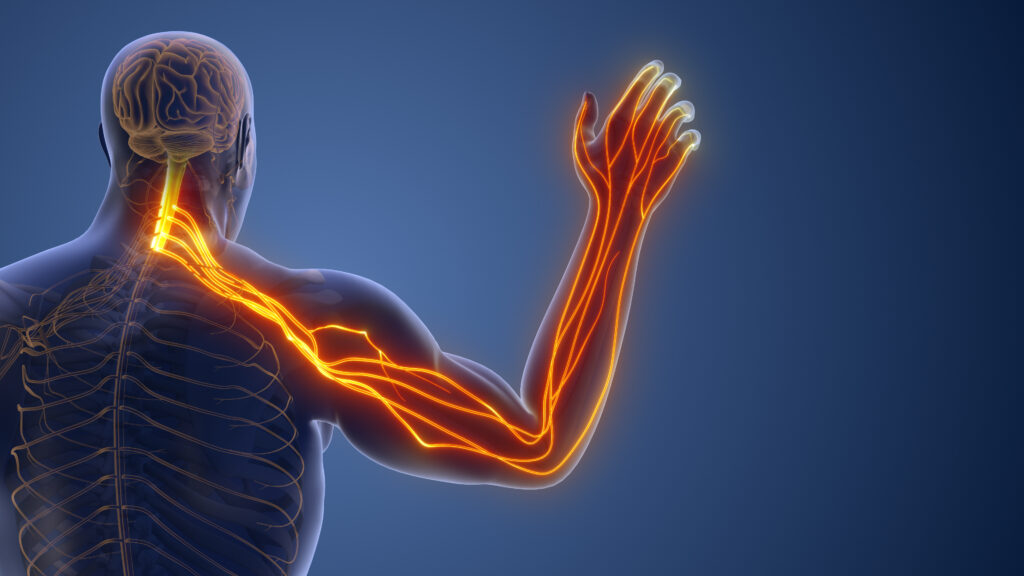
Nerve compression injuries are more common than many people realize. From a pinched nerve in the neck to carpal tunnel syndrome in the wrist, these injuries occur when pressure is placed on a nerve, disrupting its normal function. The good news is that many compression injuries are temporary, and with time and proper care, nerves can heal.
Types of nerve injury
When a nerve is compressed, its ability to transmit signals is impaired. This can lead to symptoms such as numbness, tingling, weakness, or even sharp, radiating pain.
- Mild (neuropraxia) – Nerve is “stunned” but not cut. Example: hitting your funny bone (which is actually your ulnar nerve). Temporary numbness occurs after compression but recovers quickly
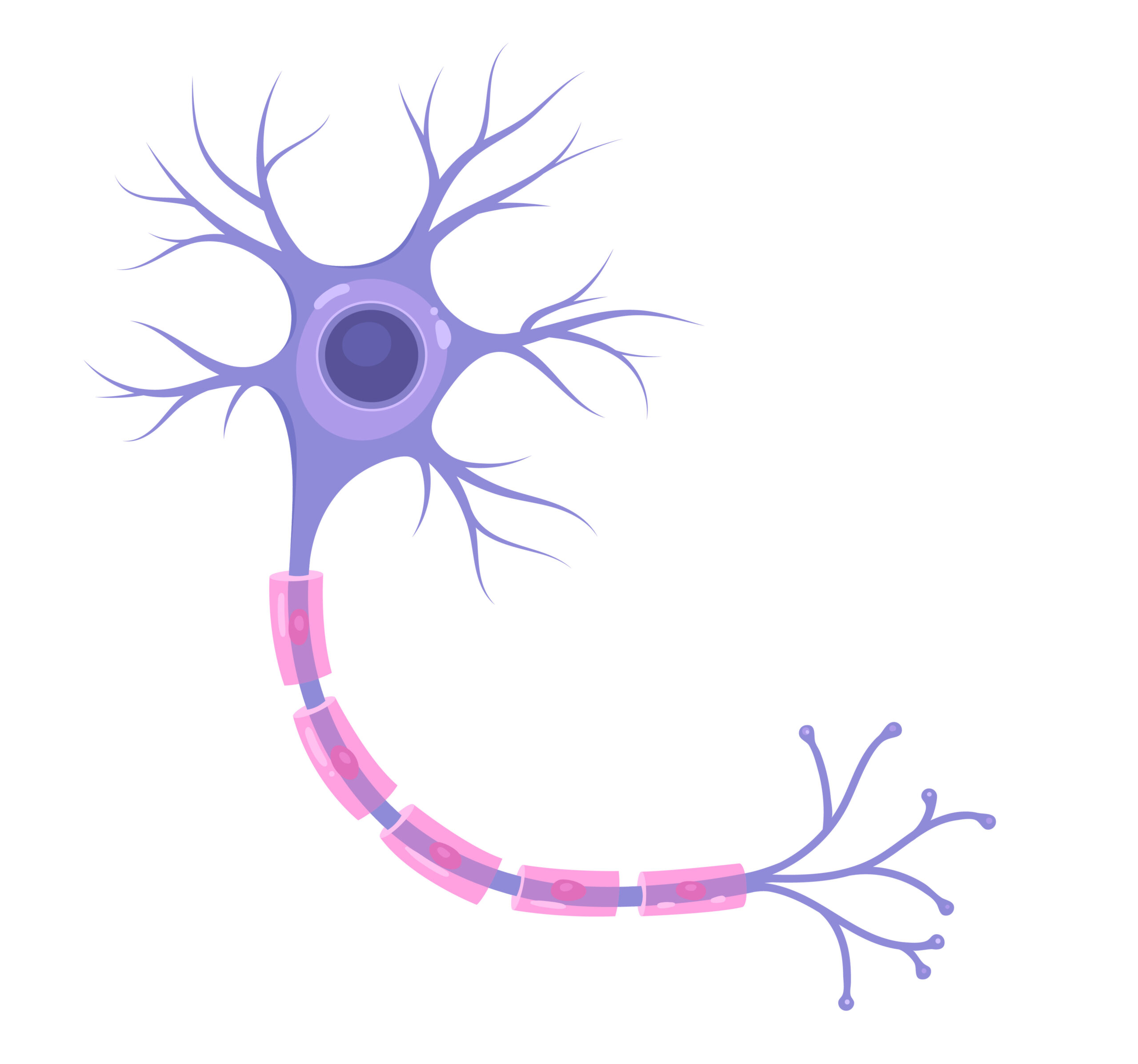
- Moderate (axonotmesis) – Nerve fibers are damaged, but structure remains. Recovery may last weeks to months depending on how large the damage is. Nerves regenerate at a rate of 1 mm a day (about an inch a month)
- Severe (neurotmesis) – Nerve is completely cut. Often requires surgery and healing may be incomplete
The key to nerve healing is to relieve the compression
Healing begins once the source of compression is relieved. This might happen naturally—such as changing posture or reducing inflammation. As pressure decreases, blood flow to the nerve improves, allowing it to regain normal function.
The timeline for recovery can vary. Mild compression injuries may resolve within days or weeks, while more significant compression can take several months. One important concept to understand is that nerves regenerate slowly—typically at a rate of about 1 millimeter per day. If the injury affects a nerve farther from the area where symptoms are felt (for example, a compressed nerve in the spine affecting the foot), recovery may take longer because the nerve must heal along its entire length.
During the healing process, people often experience unusual sensations. Tingling, “pins and needles,” or even brief electric-like shocks are common. While these feelings can be uncomfortable, they are often a sign that the nerve is recovering and reestablishing connections. Muscle twitching or gradual return of strength may also occur as communication between the nerve and muscles improves.
Rehabilitation strategies for nerve healing
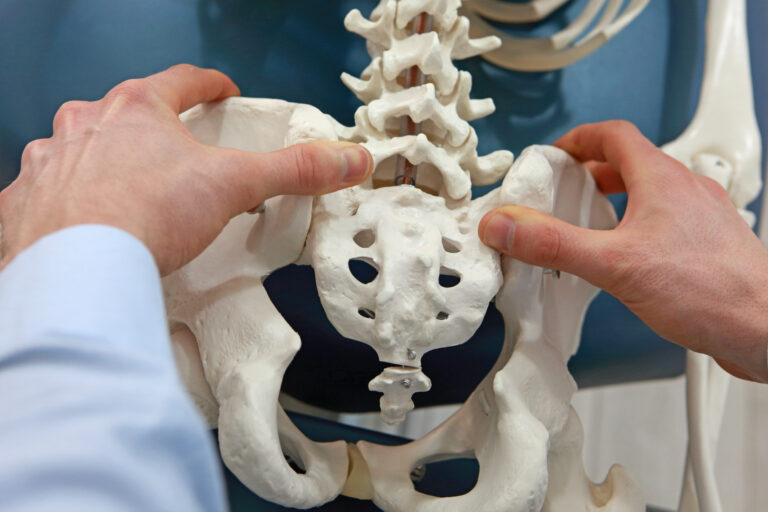
- Trace the path of the nerve and determine key compression points. For instance, the sciatic nerve comes from L4-S2 passes beneath the piriformis muscle exits the greater sciatic notch (pelvis) and then splits in the area of the bicep femoris.
- Stretch tight muscles along the nerve pathway
- If stretching is not tolerated, use positional release (counterstrain)
- Nerve flossing techniques help restore the gliding of the nerve that occurs during normal movement. Here is an example of sciatic nerve flossing
In summary, nerve healing after a compression injury is a slow but often successful process. With proper care, patience, and attention to overall health, most people can expect a meaningful recovery and a return to normal function.
Why does this matter?
You did it! You made it through the five part series on how things heal. Tendon, ligament, bone, muscle and nerve all heal at different rates. Professionally, understanding these processes can guide you to a more effective treatement plan. For your patients, understanding removes doubt and fear and can speed up healing. It’s time well spent.
Because nobody has time to be in pain.
Until next time…

Kind Regards,
MoveWell Academy
[email protected]