

Kinesiology THURSDAY – Bottoming Out (Part 2 – The Shoulder)
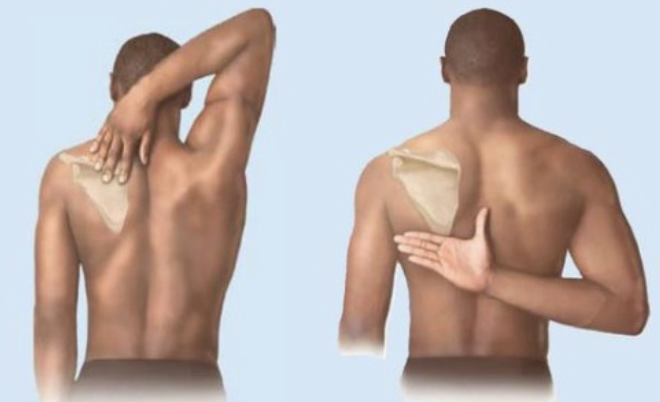
The Apley’s Scratch test is one that challenges many people, at least in one direction. The test on the left is the shoulder version of FABER (Flexion, Abduction, External Rotation). The test on the right is what I call EADIR (Extension, Adduction, Internal Rotation). The end ranges of each movement should feel like a stretch, but for a lot of our shoulder patients, the end range feels like a pinch or a jam. This is how the shoulder should look at rest:
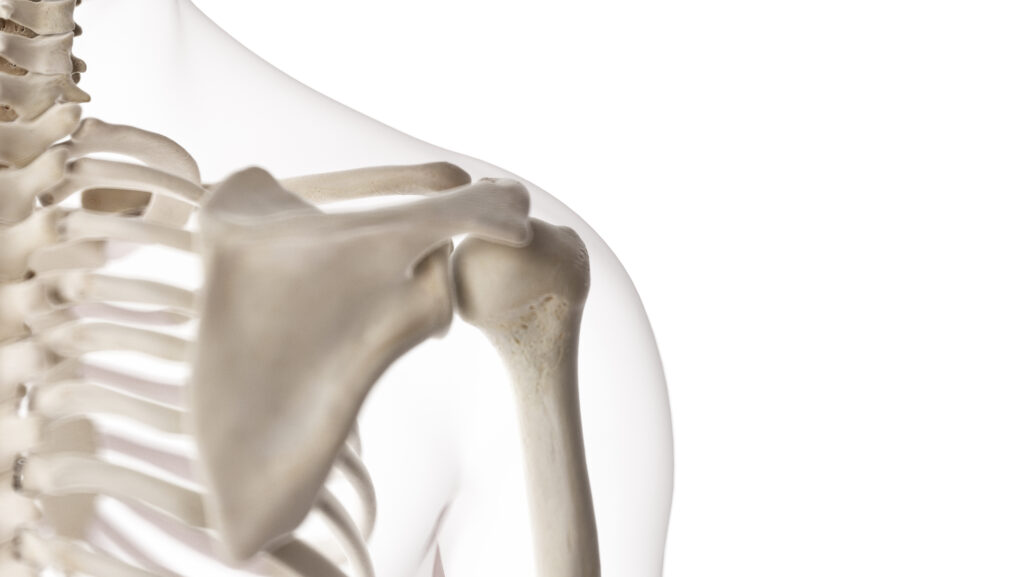
The humeral head should be sitting in the center of the glenoid fossa of the scapula. This allows for the large humeral head to accurately rotate on the relatively small surface of the scapula. This study discusses the relationship between humeral head translation and rotator cuff tears and bone spurs. The image below is taken from the study.
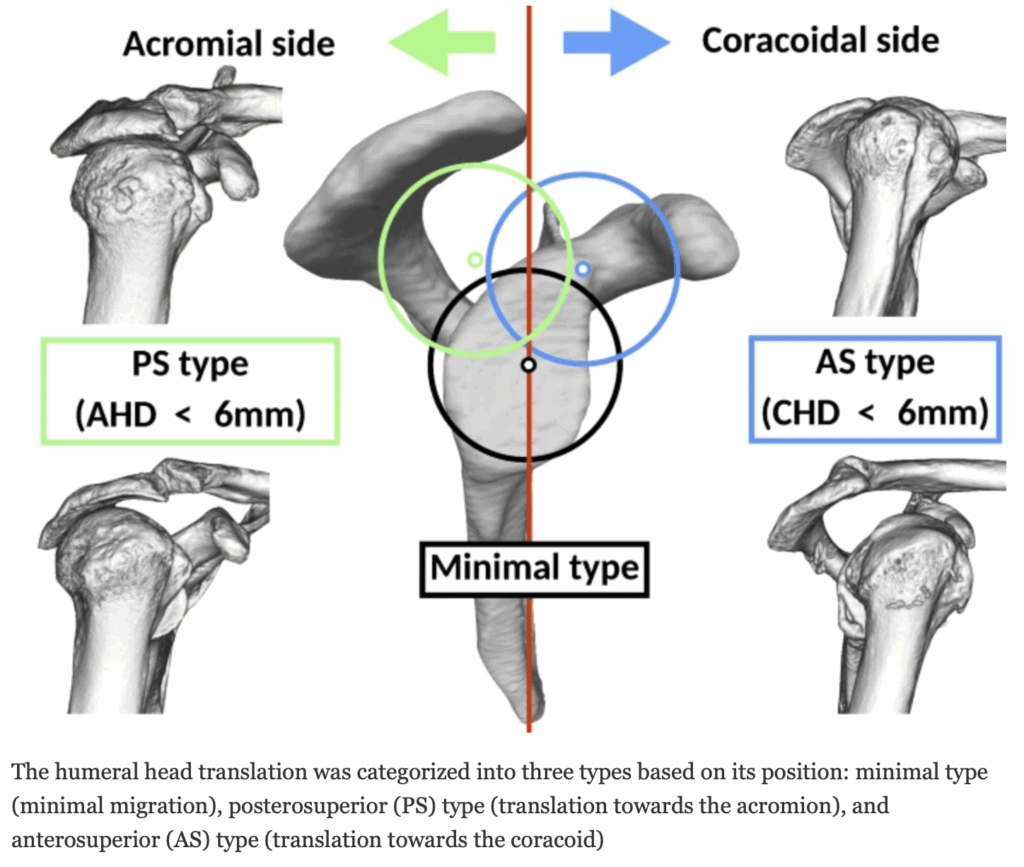
If the humeral head is migrated anteriorly or posteriorly, it is easy to observe how impingement of the rotator cuff tendons may occur as well as limitations of humeral head rotation with Apley’s Scratch test. But the important question to answer is: Which bone is in the wrong place? The humerus or the scapula?
This picture might be easier to examine:
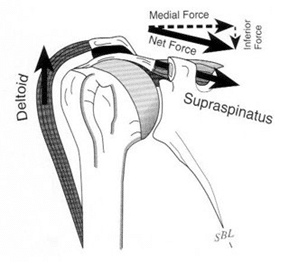
If the scapula is upwardly rotated at rest, this will create a compensatory superior migration of the humeral head. Muscles that upwardly rotate the scapula:
- upper trapezius (trigger point in the mid muscle belly)
- infraspinatus (trigger points at the inferior angle)
- serratus anterior (trigger points on the mid axillary line between ribs 3-8)
If the scapula is protracted at rest, this will create a compensatory anterior migration of the humeral head. Muscles that protract the scapula:
- pec minor (trigger point inferior to coracoid process)
- serratus anterior
Assessing scapular position in three planes of motion will help you solve the problem of the shoulder jam. Is the scapula:
- elevated or depressed (sagittal plane)
- protracted or retracted (transverse plane)
- upward or downward rotated (frontal plane)
Why does this matter?
Often is the Apley’s Scratch test is limited, the patient is encouraged to stretch using a towel.
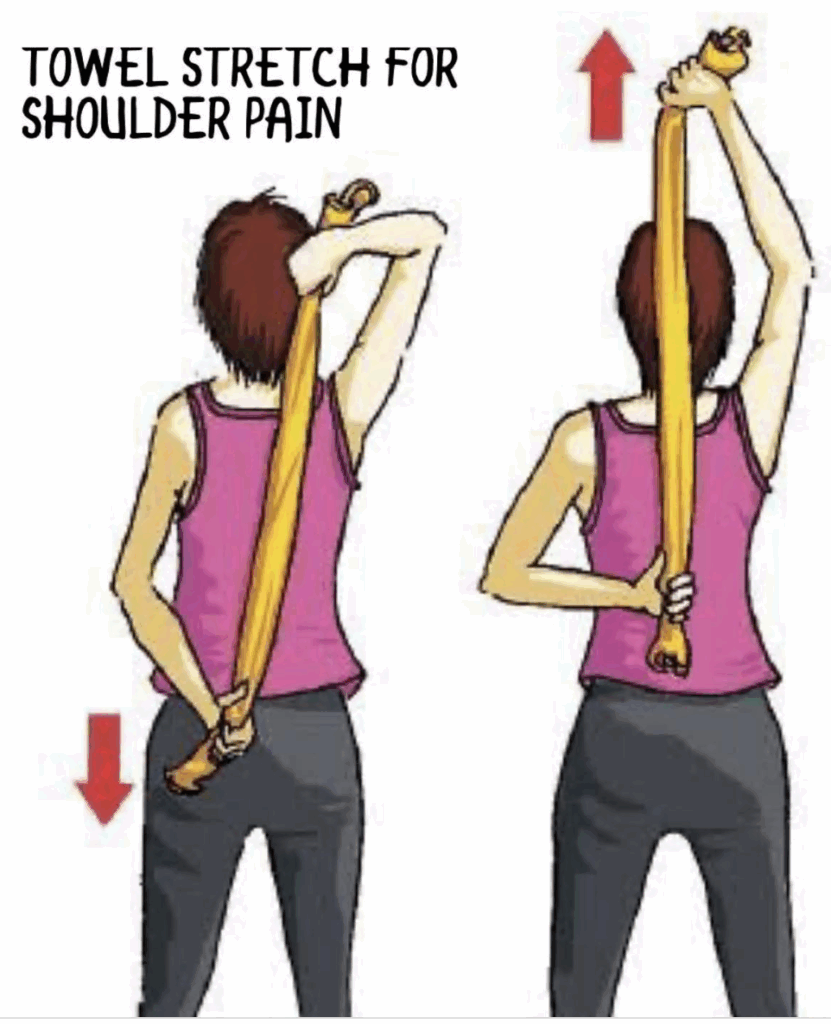
But remember, you should only stretch if it feels like a stretch. If it feels like a “jam” or a “pinch” the secret to unlocking more range of motion lies in correcting the position of the scapula. Assess the scapular position, palpate for key trigger points and fix what you find.
Because nobody has time to be in pain.
Until next time…

Kind Regards,
MoveWell Academy
[email protected]