
Kinesiology THURSDAY – Six Degrees to Toeing Out
The toeing out posture lies at the root of many overuse ankle, knee and hip injuries as well as lower back pain. It can also decrease functional activation of the biggest muscle of your body, the gluteus maximus. The question is why do people choose to stand or walk with their toes turned out? Let’s explore six degrees to toeing out:
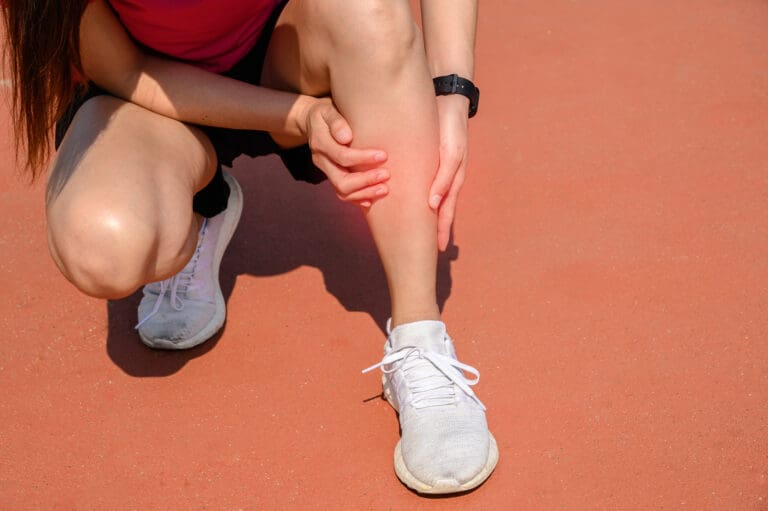
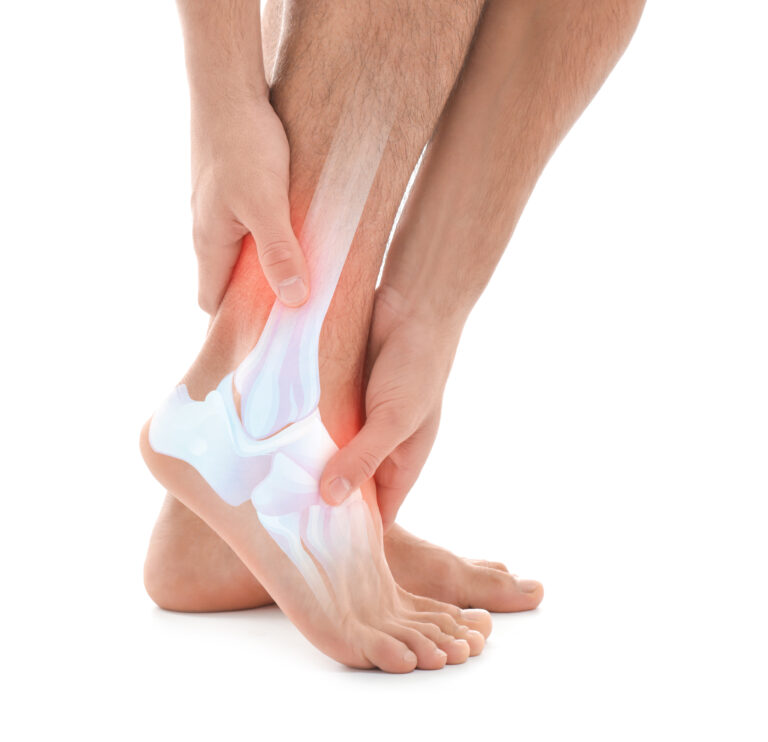
- Lack of ankle dorsiflexion – tight gastrocnemius (calf) muscles makes it hard to push off your toes with your foot pointed straight ahead. The FIX – stretch the gastrocs with your toes pointed straight ahead. Try the gravity drop or downward dog.
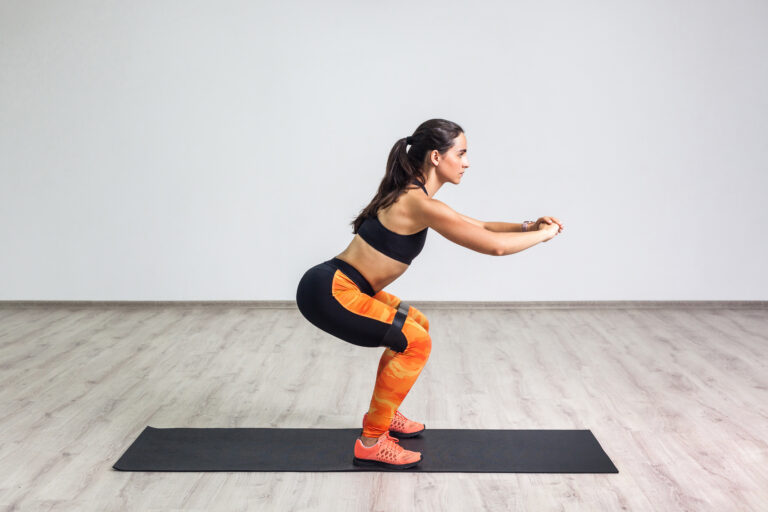
- Weak quadricep muscles – the main job of the quadricep is to decelerate knee flexion. If your quads are weak or inhibited (post-surgical or swollen knees), the easiest thing for you to do is to turn your toe out to lessen the load on your quads. The FIX – strengthen the quadricep muscles with a single leg wall sit OR the fierce beast before doing squats and lunges.
- Tight deep hip external rotators – trigger points in the piriformis (common in sciatica) cause the femur to externally rotate which in turn may cause the lower leg to externally rotate. Piriformis trigger points often show up if the gluteus maximus is weak. The FIX: stretch the piriformis AND activate the glute max in the sagittal plane first. Ex: hip hinging, single leg RDL’s, anterior lunges.
- Tight lateral hamstring – if the bicep femoris is tight, the lower leg will externally rotate causing toed-out posture. The FIX – master the revolving triangle pose and make sure to keep the your foot flat on the ground while doing this stretch.
- Tight hip flexors (psoas major) – the psoas major doesn’t just flex the hip, it is also a hip external rotator and if the hip turns out, most likely your toes will too. The FIX – One of the best ways to shut down a tight hip flexor is by doing a power pelvic tilt. With just six 6-second holds, you can shut down a common culprit to hip external rotation.
- Tight adductor magnus – The posterior fibers of adductor magnus are responsible for eternally rotating the femur and the anterior fibers are responsible for internally rotating the femur. If the posterior fibers are tight Tight adductors can cause your hips to turn out or your femurs to roll in (which will then cause your tibia to relatively be externally rotated. The FIX – Try the sumo squat. Make sure to keep your knees in line with your second toes. Do you feel adductor tightness?
Why does this matter?
Toeing out may be driven by excessive hip (femur) external rotation and/or excessive tibia/fibula (lower leg) external rotation. Either scenario results in diminished neurological activation of the large muscles of your hips and thighs (quads, glutes), decreasing your leg power and force dissipation.
The optimal gait pattern involves your feet being pointed straight ahead and your stride width 2″-4″ apart. This places the glutes and quads in optimal length/tension with each step, allowing them to activate and power your movements. If it’s a chore to keep our toes pointed straight ahead, check out the six degrees to toeing out.
Because nobody has time to be in pain.
Until next time…
Kind Regards,
MoveWell Academy
[email protected]