Kinesiology THURSDAY – Bottoming Out (Part 5 – Cervical Spine)

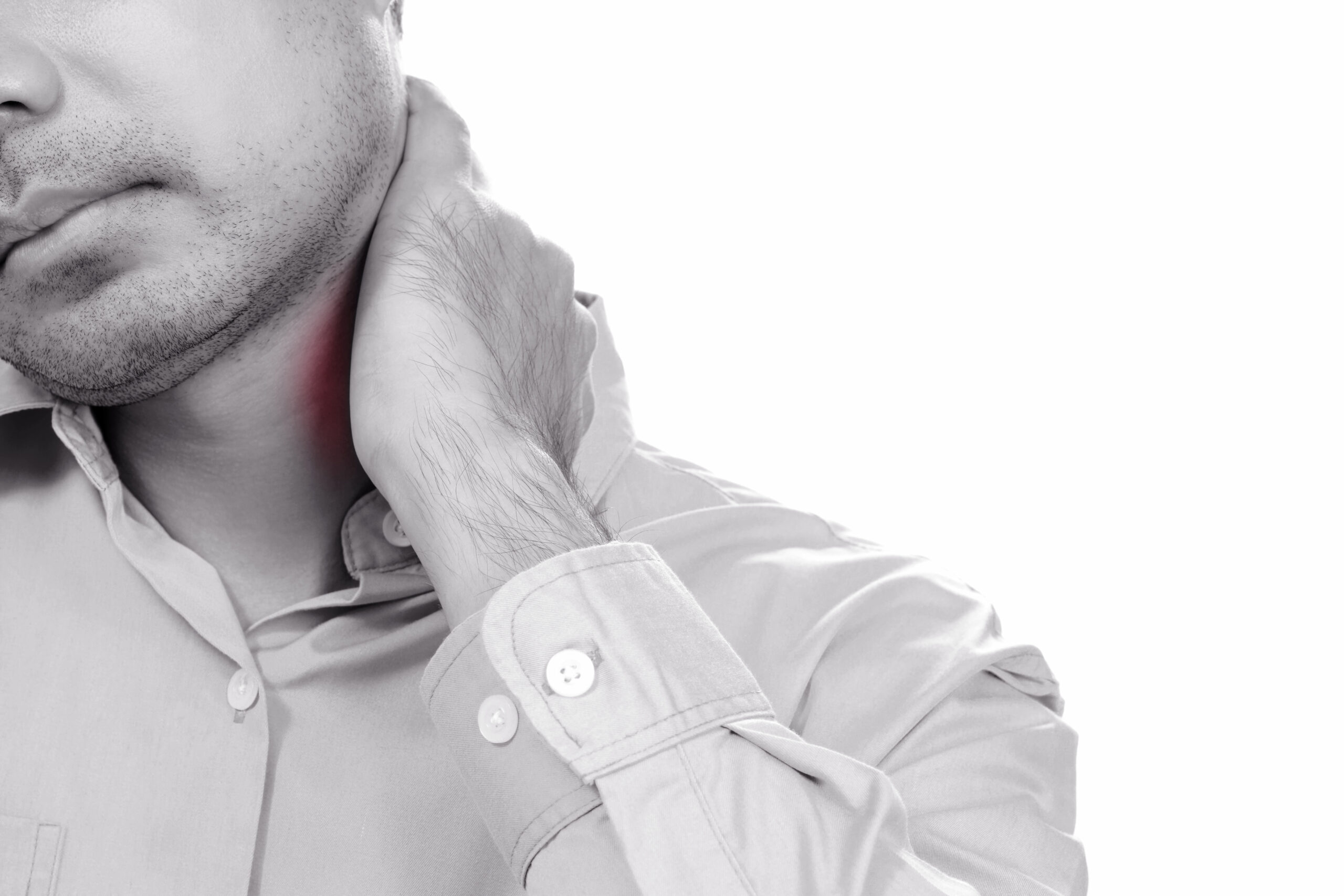
Look up. You should be able to extend your neck so that your face is almost parallel to the ground. If you feel anything at all, you should feel a stretch in the front of your neck. If you feel neck pain, then you are experiencing “bottoming out” of the cervical spine.
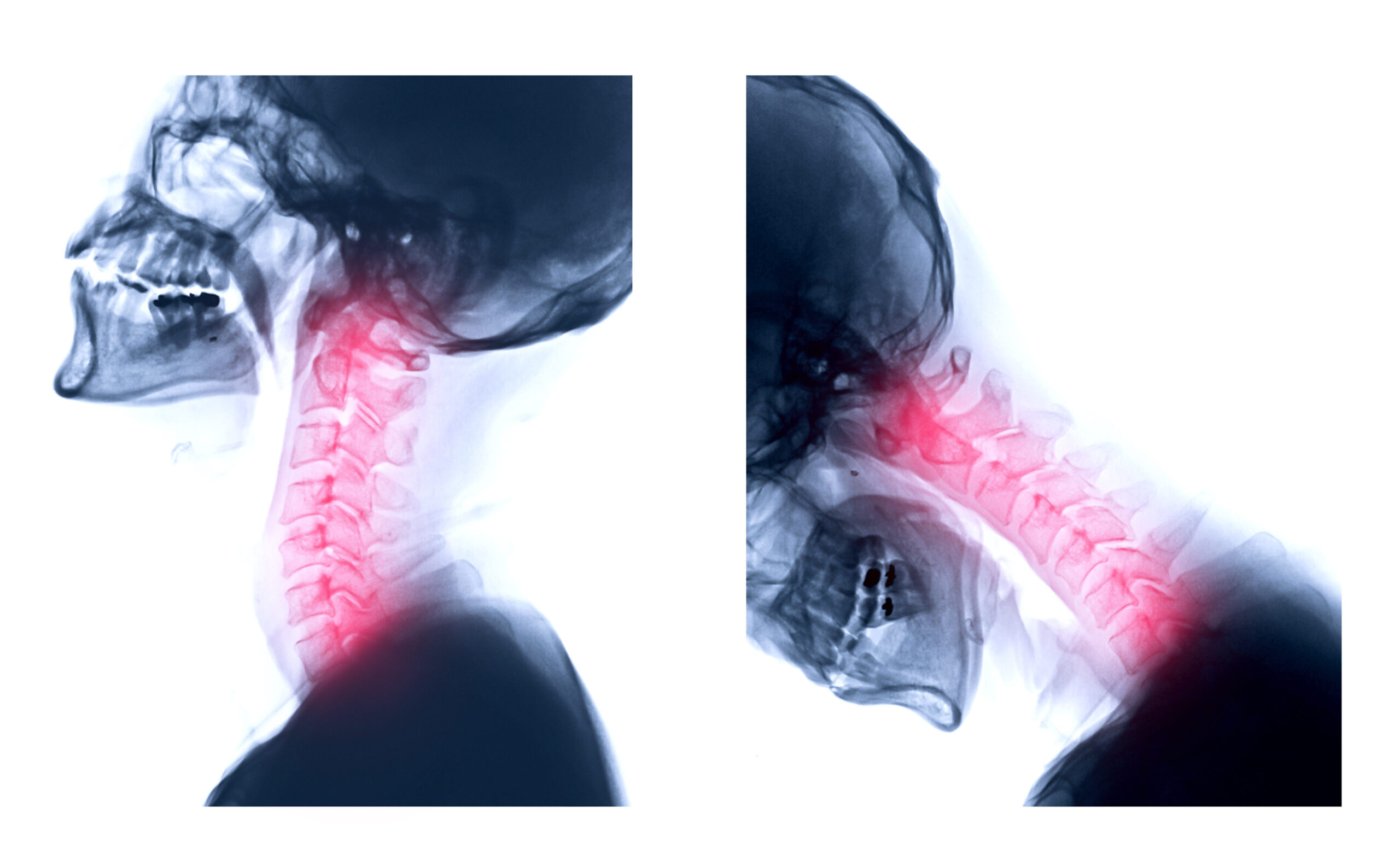
During cervical extension, the facets of the superior segment glide posterior/inferior on the inferior segment, with C2-C5 contributing most of the range. The spinous processes approximate each other. During cervical flexion, the spinous processes and facet joints separate.
What causes the bottoming out?
With normal posture, the cervical spine has a slight cervical lordosis. This adds to the spring-like shape of the spine and aids in shock absorption. Normal posture deems that your ears line up with your shoulders. If your head falls forward of your shoulders, then your cervical spine naturally falls into more extension in order to allow you to still look straight ahead (versus down at the floor). Extending from this position causes you to run out of range sooner, limiting how much you can look up.
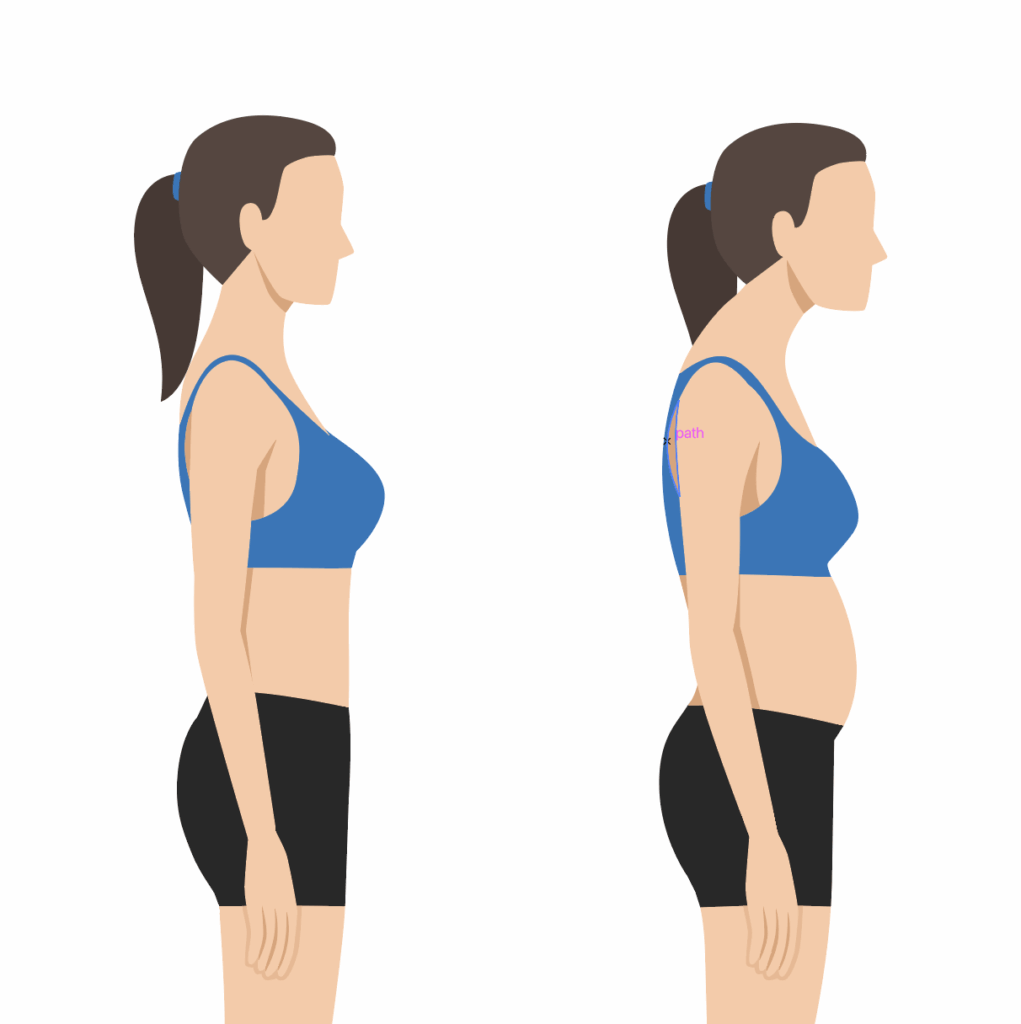
If this posture is not corrected, the cervical spine eventually “flattens out” due in part to the boney build up that occurs when facet joints are in constant compression. Bone is laid down along lines of stress (Wolf’s Law).
Here’s how to fix it:
The fix lies in correcting the reason for the forward head and usually this is not the neck’s fault.
- Improve thoracic extension. The less rounded your upper back is, the less extension your cervical spine is in at rest, allowing for maximum extension range of motion when you look up.
- Stretch pectoral muscles. One of the key contributors to increased thoracic kyphosis is tight pecs. Here are some ideas.
- Strengthen the lower trapezius muscle. The lower trapezius is most active with arm elevation past 90˚. Pressing a weight overhead will help activate this muscle and dynamically decompress your spine.
- Manual therapy to release fascial tightness in the pectoralis major and latissimus dorsi may reduce thoracic kyphosis
Why does this matter?
Looking up should not cause a jam in your neck. If it does, the culprit usually lies below the neck in the thoracic spine. By improving thoracic spine mobility, the cervical spine will sit in a more neutral position at rest, allowing for maximum range of motion when you extend. Get that thoracic spine moving! Free up your neck with these exercises.
Because nobody has time to be in pain.
Until next time…