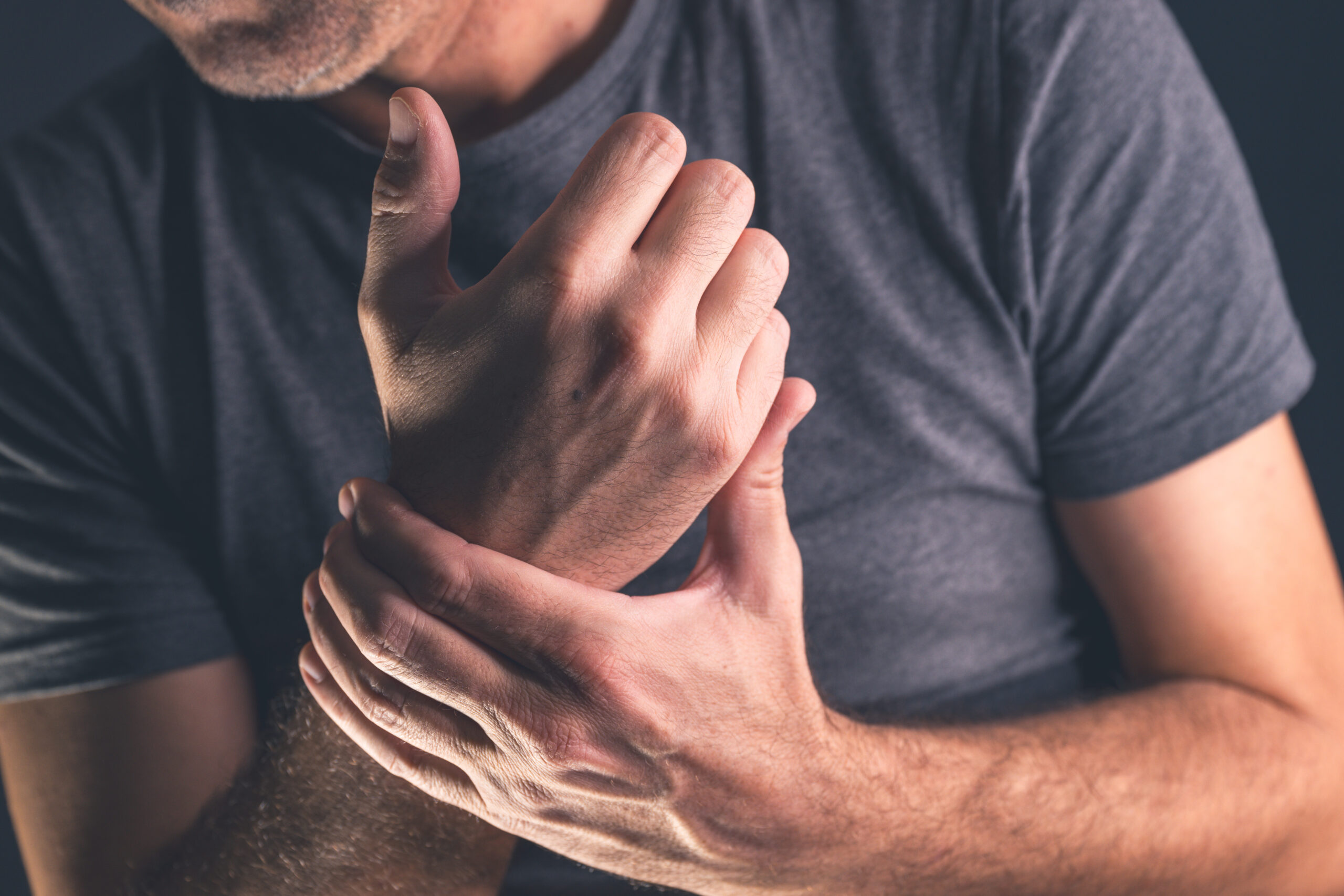
Anatomy TUESDAY – Palpation Series (Part 4 – The Anatomical Snuff Box)
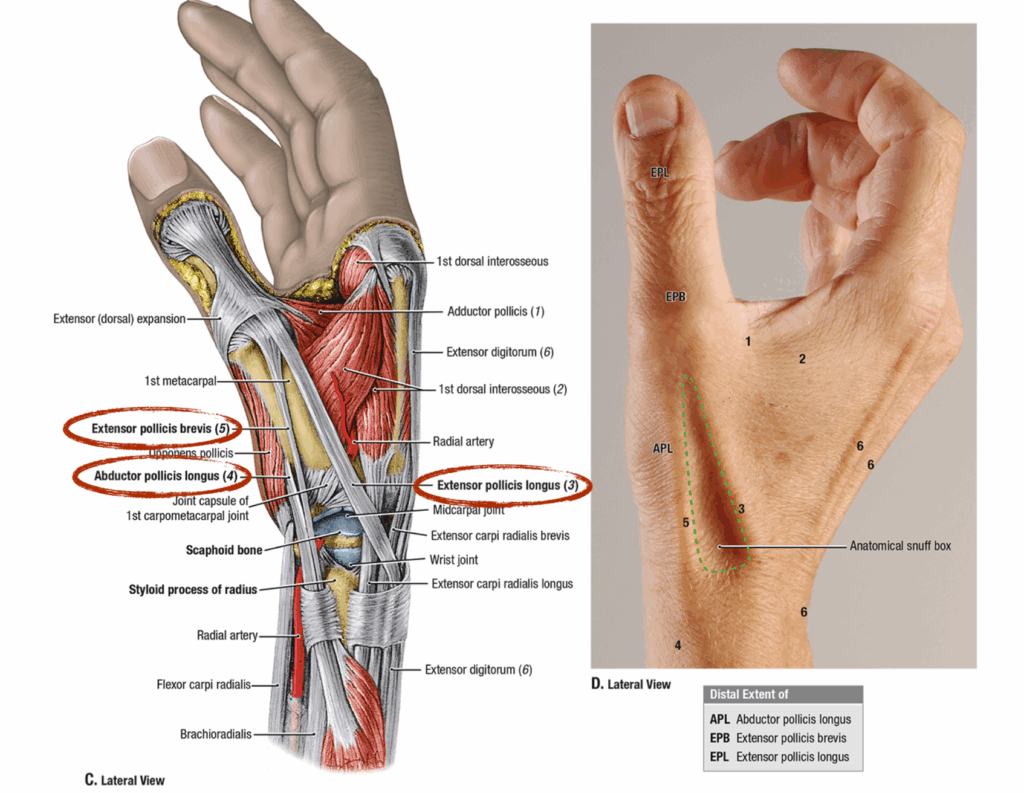
There’s a lot to be said about this little triangle on the radial side of your wrist known as the anatomical snuff box. It is the only anatomical region named after an unhealthy habit (using tobacco) and it has been proposed it be renamed the scaphoid depression. But I think snuff box is more memorable. Let’s get started. Here’s a quick video.
You can expose the tendons in this area by simply extending and abducting the thumb. There are four things you want to be able to identify (from lateral to medial):
- Abductor pollicis longus (APL) – abducts the thumb; runs in a sheath and is prone to irritation with repetitive abduction
- Extensor pollicis brevis (EPB) – extends the thumb at the MCP joint; runs in a sheath and is prone to irritation with repetitive thumb extension
- Scaphoid bone – sits at the floor of the snuff box and is the most commonly fractured carpal bone. Usually fractured if one lands on an outstretched arm
- Extensor pollicis longus (EPL) – extends the thumb at the IP joint; runs in a sheath and is prone to irritation with repetitive thumb extension
Notice how all the tendons run in a sheath. Limitations in gliding of the tendon in the sheath may occur with inflammation of the tendons. A simple test to confirm tenosynovitis is Finklestein’s test:
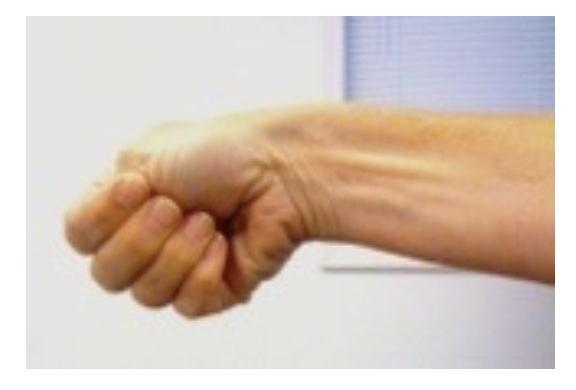
Place your thumb in your palm, wrap your fingers around your thumb and perform radial deviation (bend your wrist towards the floor). If this reproduces pain on the thumb side of your wrist, you may have DeQuervain’s syndrome, tenosynovitis of one of the three tendons surrounding the anatomical snuff box that may cause radiating pain into the thumb or forearm with wrist movements.
Now try this:
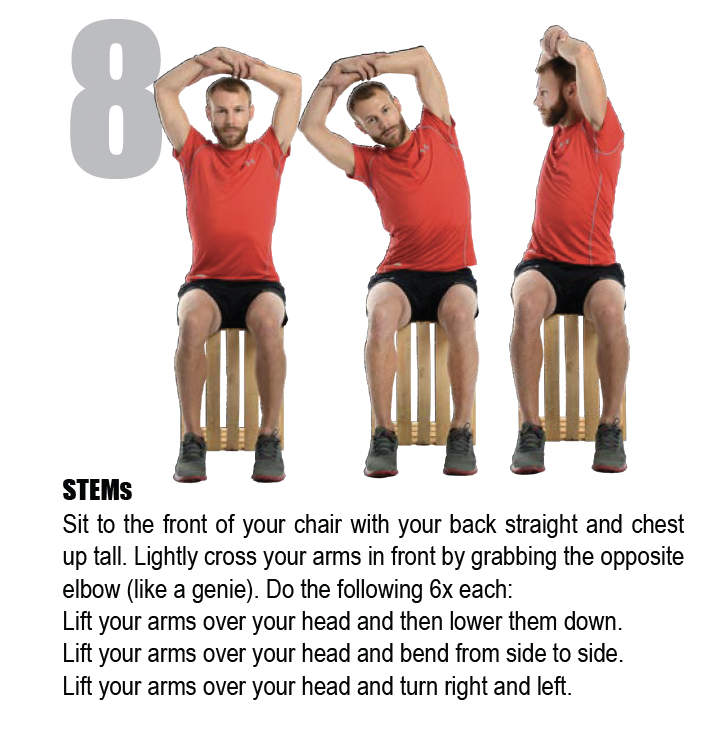
The STEMs exercise (sitting thoracic extension movements) mobilizes the thoracic spine, the closest key rotational center to your wrist. Perform six repetitions of each movement and then re-try Finklestein’s test. Is the test less painful?
Why does this matter?
Tenosynovitis of APL, EPB and EPL is common in people who text a lot (everyone), carry trays (waitresses) or infants (mothers) or type and write (students). Tension in these tendons is increased with decreased thoracic mobility. You can relieve tension at the hand/wrist by restoring motion in your thoracic spine.
Learn to palpate the tendons of the anatomical snuff box and do the Finklestein’s test periodically to make sure the tendons are moving freely. If they aren’t, do the STEMs exercise for a quick fix.
Because nobody has time to be in pain.
Until next time…

Kind Regards,
MoveWell Academy
[email protected]