Anatomy TUESDAY – Sternoclavicular Joint – Saddle Up! (Part two)
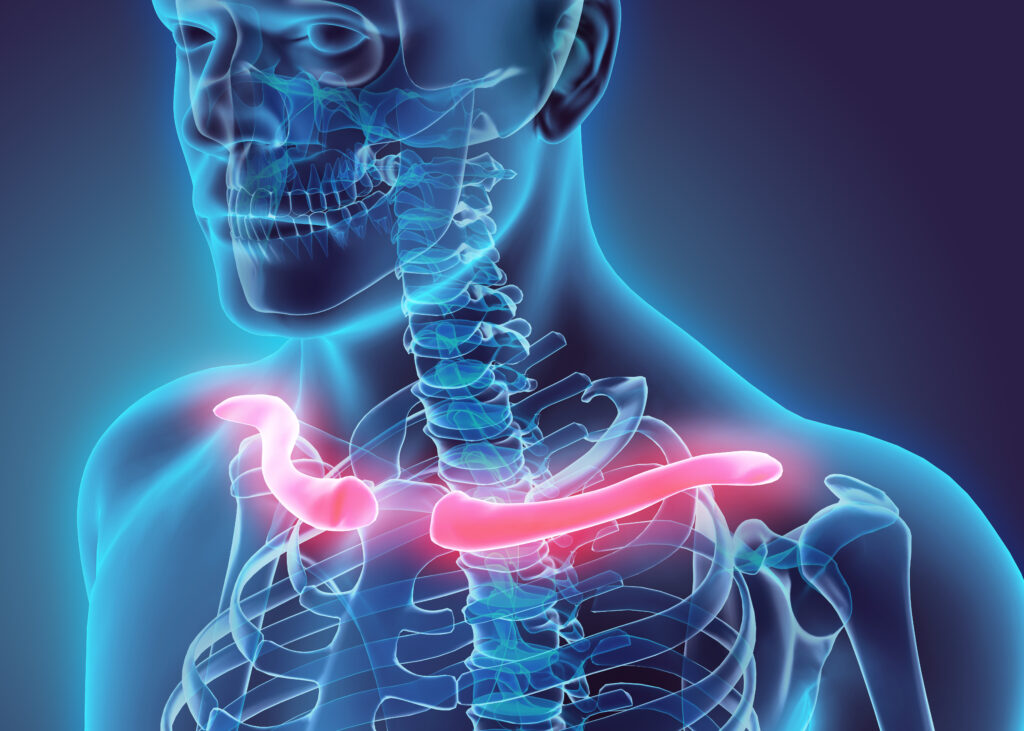
The sternoclavicular joint is the saddle joint articulation between the medial clavicle and the manubrium of the sternum. It is the only boney attachment of the upper extremity to the body, making it a pivotal joint in arm elevation. Like the Pringle potato chip, it is concave in the anterior/posterior direction and convex in the inferior/superior direction.
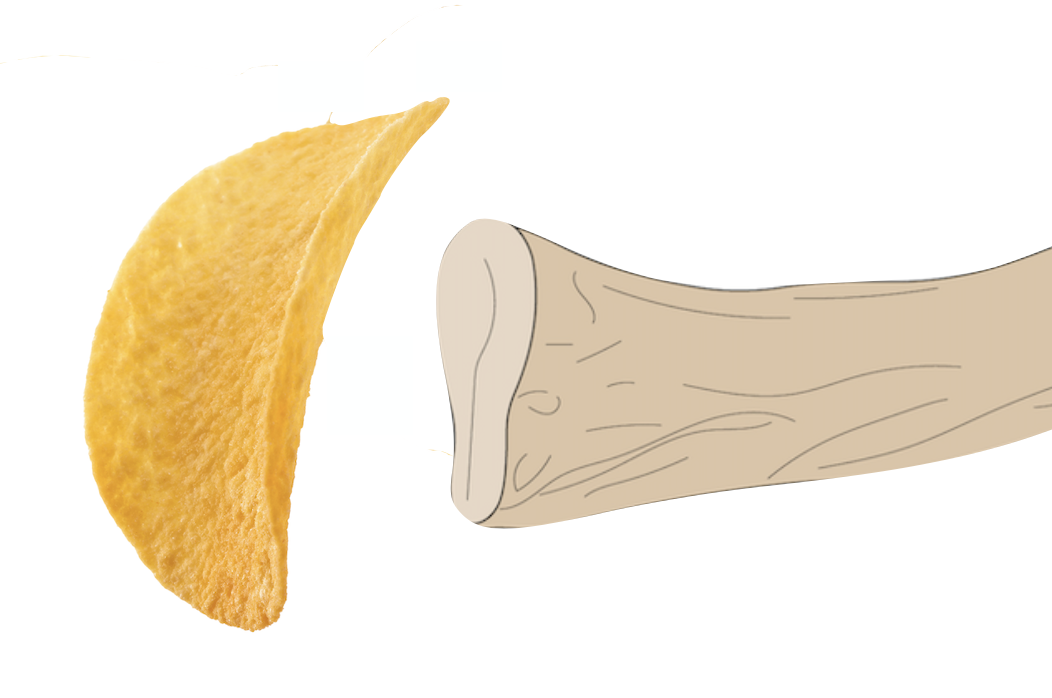
When you lift your arm up (flexion/abduction), the articular surface of the medial clavicle moves in the opposite direction (inferior). When you move your arm across your body (horizontal adduction), the articular surface moves in the same direction (anterior).
Why does this matter?
The direction the articulation of the medial clavicle moves during arm motion was the most missed question on my quizzes in the 28 years I taught kinesiology. It can be confusing but it isn’t just a fact to remember for a test.
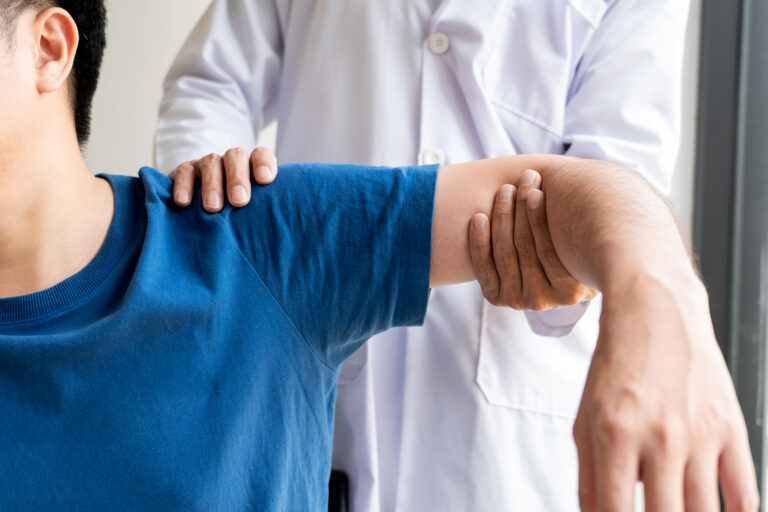
Horizontal adduction and arm elevation are the two most common motions that produce impingement of the shoulder joint. People don’t often feel pain at the SC joint in these end ranges, but rather at the AC joint or in the area of the supraspinatus. The underlying cause is often a subluxation at the medial end of the clavicle. Understanding the direction the medial clavicle moves during these motions will guide a clinician to the correct mobilization needed to restore pain-free ROM.
So remember Pringle potato chip as we wind up our discussion on the body’s main saddle joints. This special joint orientation is designed to give maximum motion and function to a small joint. The first CMC joint of the thumb provides two-thirds of hand function and the SC joint of the shoulder girdle is the only connection of the entire upper extremity to the body. The next time it hurts to grip or reach, remember these.
Because nobody has time to be in pain.
Until next time…
Kind Regards,
MoveWell Academy
[email protected]