Kinesiology THURSDAY – Your Big Toe
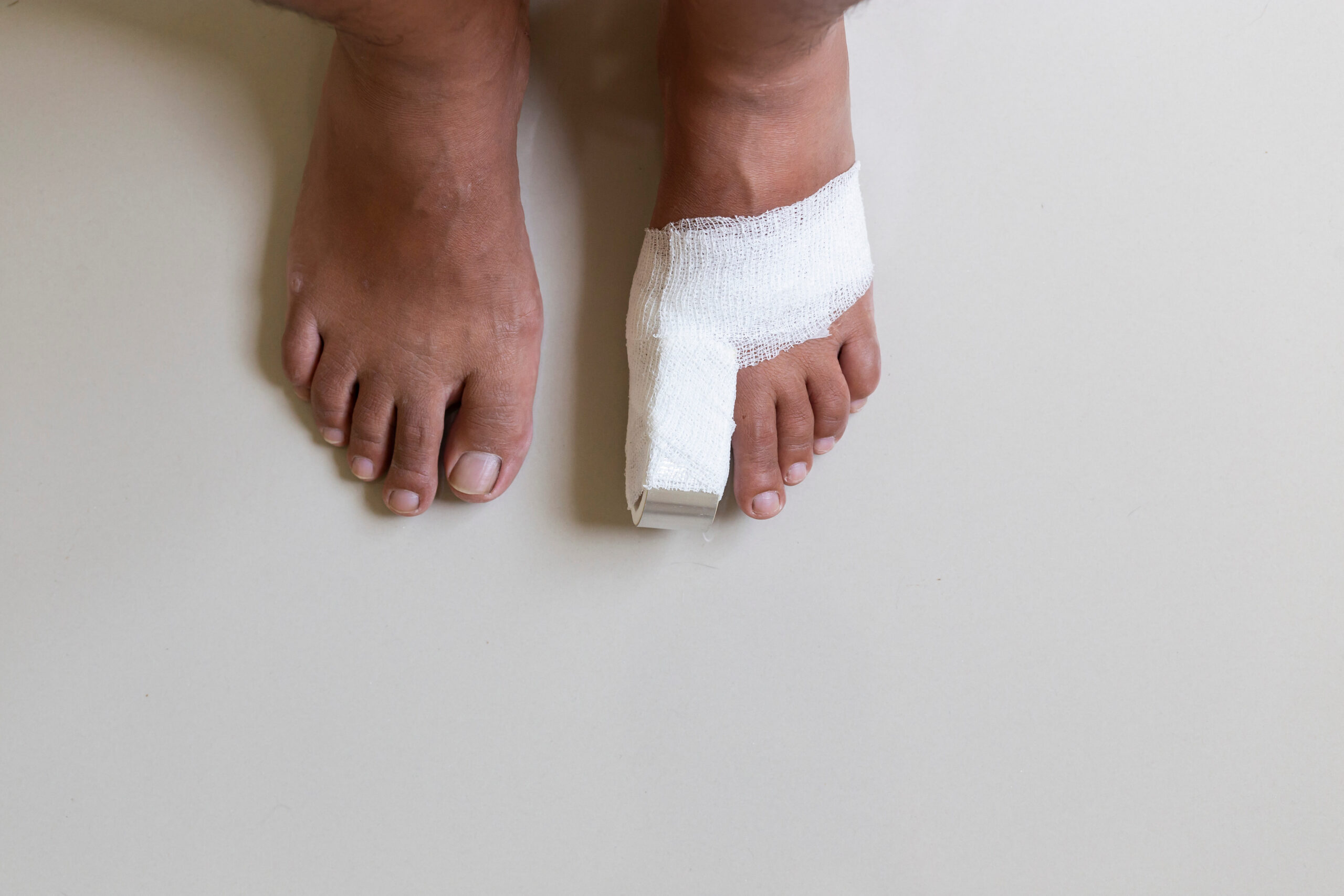
“My doctor says he wants to fuse my big toe,” my 60-year old Pilates instructor patient said to me yesterday. She has a history of Charcot-Marie-Tooth syndrome which left her with a slight left foot drop and weakness in her left leg. At 19, she underwent some foot reconstruction including a calcaneal osteotomy and fusion of the tarsal bones. Her ankle was positioned in supination with dorsiflexion limited to neutral. The endfeel was capsular. She was denying any pain. “He also recommended a total ankle replacement,” she added.
I am a huge advocate for helping people make decisions based on biomechanics. What is the “why?” behind the “what?”. So I asked, “Why do you think he suggested those procedures?”
“Sometimes when I walk, my big toe gets hung up on the floor. And he said the total ankle replacement would possibly give me more stability,” she replied.
The x-rays revealed a talus positioned in varus with boney changes and a diminished joint line space on the medial talar dome. No hardware was crossing the talocrural joint. The lateral malleolus was enlarged from chronic over supination. (Remember: bone is laid down along lines of stress).
She is able to ambulate without an assistive device on all surfaces, including stairs. Her left foot over supination with weight bearing and a mild steppage gait. I checked her toe extension PROM and her great toe exhibited 15 degrees of passive extension. Her other toes were similarly limited with no active extension motion noted. “They cut the tendons of my toes way back when,” she said, describing part of the surgery she had as a teen.
She had trigger points in the medial gastrocnemius, posterior tibialis and anterior tibialis which are common with this foot position.
Here was my answer to her question:
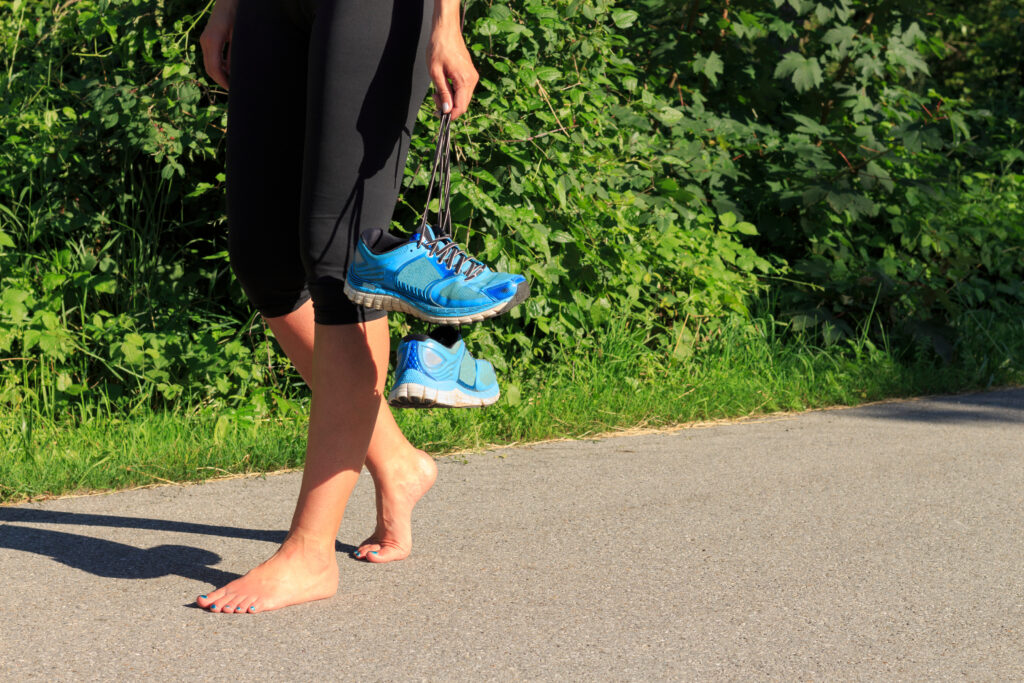
- I would not recommend fusion of the great toe. Look at the picture above and notice how much toe extension is needed for normal gait. This allows for push off. A great toe that is not allowed to extend will further promote supination of the foot. If you can’t roll off your big toe, you will compensate by rolling off your little one.
- I would hold off on making a decision on total ankle replacement. I asked her to ask her surgeon if he could guarantee more dorsiflexion with the reconstruction. If so, maybe. But first…
- Let’s work on seeing how much more dorsiflexion we can get by releasing trigger points and fascia and doing some stretching and then re-evaluate the effect on her gait.
I got a hug for that answer.
Why does this matter?
Balance on one leg is dependent on the ability to pronate and supinate in small increments while weight bearing. This patient will never regain normal STJ or ankle ROM, but her function is impressive with the limitations she has. And she is not in any pain.
By allowing the big toe some passive extension (and attempting to regain more), this gives us a better chance at restoring some pronation. When it comes to dynamic balance, stability doesn’t come from fusion but rather from movement in the complex foot/ankle.
That’s my two cents. The big toe is big for a reason. Let it contribute what it can for however long it can.
Because nobody has time to be in pain.
Until next time…
Kind Regards,
MoveWell Academy
[email protected]