Anatomy TUESDAY – Heal Me (Part 2) – Ligaments
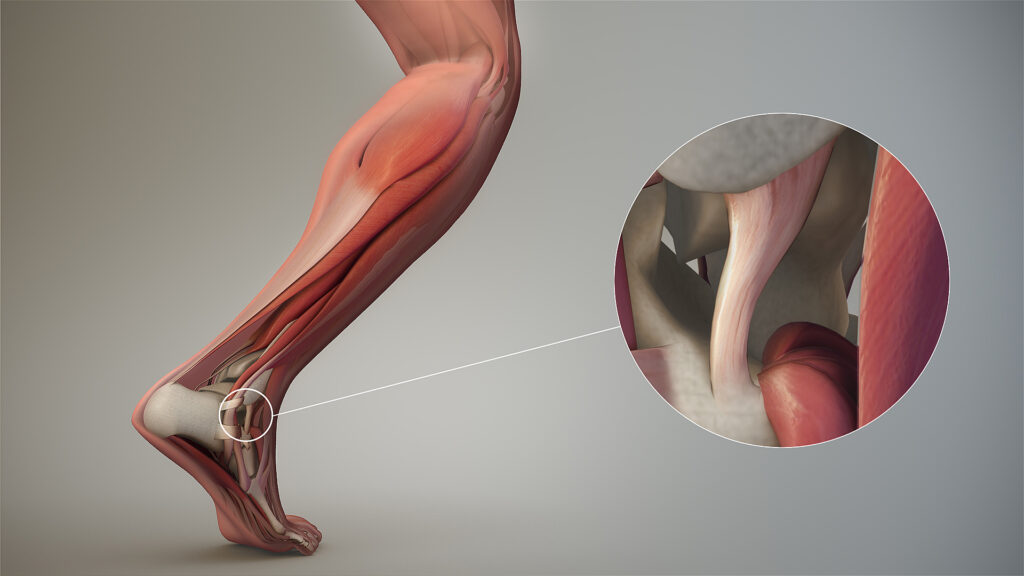
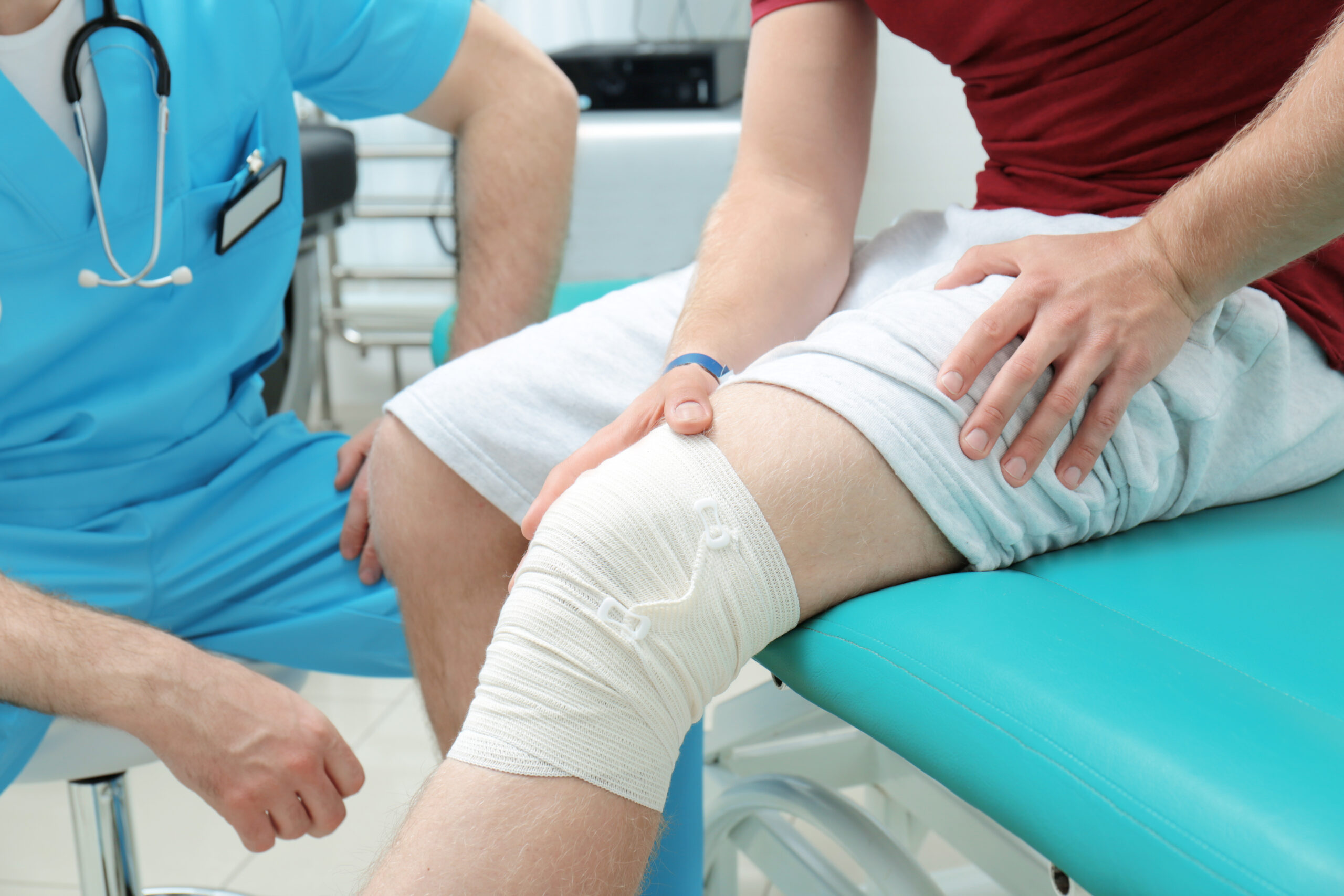
Ligament injuries are some of the most common musculoskeletal problems, especially in the ankle and knee. Whether it’s a mild ankle sprain or a more severe ligament tear, many people are surprised by how long recovery can take. Unlike muscle injuries, which often improve within weeks, ligament healing is typically slower and requires a more structured approach. Osteoarthritis is the long term result of ligament injury, with chronic instability causing excessive joint wear and tear.
Understanding how ligaments heal—and what types of movement and exercise support that healing—can make a significant difference in recovery outcomes.
What are ligaments and why do they heal so slowly?
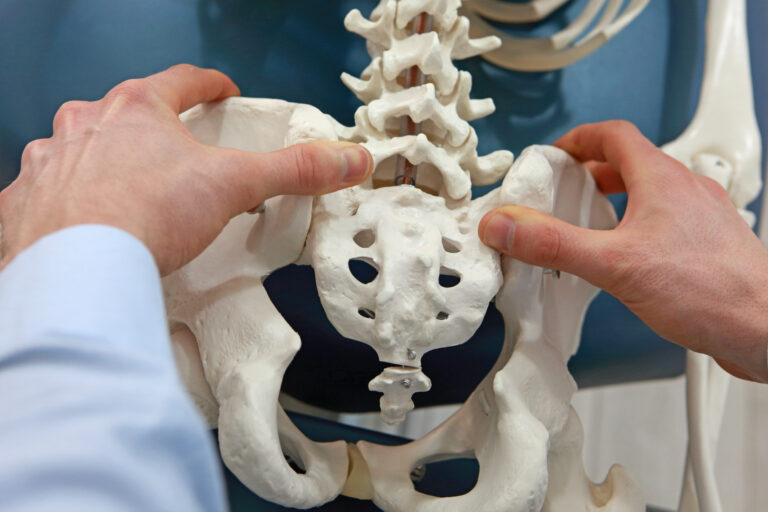
Ligaments are strong bands of connective tissue that connect bone to bone and provide stability to joints. They are made primarily of collagen fibers arranged in a dense, organized structure designed to resist stress.
One of the main reasons ligaments heal slowly is their limited blood supply. Compared to muscles, which receive rich circulation, ligaments get fewer nutrients and healing cells. As a result, tissue repair takes longer and is more dependent on proper loading and rehabilitation.
How much time does it take?
Ligament healing occurs in three overlapping phases, but the total recovery time depends on the severity of the injury.
- Grade 1 (mild stretch but no tear in ligament) – mild swelling and tenderness but no feelings of instability. Healing time: 2-4 weeks
- Grade 2 (1%-99% of fibers torn) – Moderate instability and pain with movement. Healing time: 6-12 weeks
- Grade 3 (complete tear) – Severe instability. May require surgical intervention. Healing time: 3-6+ months
Phases of Ligament Healing
- Inflammatory Phase (0–5 days) The body responds with swelling and inflammation. This phase is necessary to begin the repair process. During this phase, RICE is key. Rest. Ice. Compression. Elevation.
- Proliferation Phase (1–6 weeks) New collagen fibers are produced, but they are initially disorganized and weak.
- Remodeling Phase (6 weeks-months) Collagen fibers gradually align along lines of stress, improving strength and stability.
Real World Movement Strategies for Ligament Healing
During the proliferation phase, the ideal functional strategies include:
- Ensuring proper movement of joints above and below the site of instability. In the case of a ligament tear in the knee, ensuring normal ankle and hip mobility in all three planes of motion is key. Remember, force follows the path of least resistance. You want to make the path of least resistance the one that takes the force away from the torn ligament.
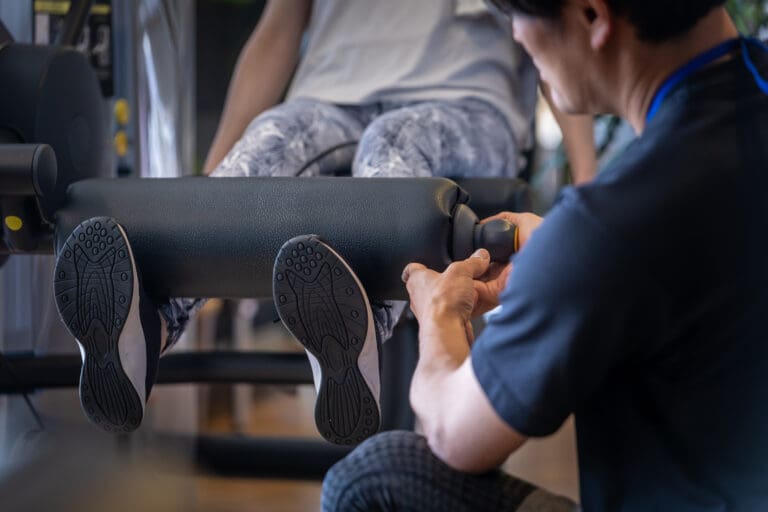
- Strengthening muscles that support the ligament. Every ligament has a muscular friend, a muscle that decelerate the motion that would cause the ligament to tear. The friend of the MCL of the knee is the semimembranosis (medial hamstring). The friend of the LCL of the knee is the popliteus. The friend of the ACL is the hamstrings. Strengthen first in stability (think balance exercises) and then in mobility.
During the remodeling phase, ideal functional strategies include:
- Working the joint in the dominant plane of motion of the injury. For instance, the MCL of the knee primarily checks valgus (frontal plane). During the remodeling phase, one should incorporate movements in the frontal plane (anterior medial lunges, medial reach with the leg) in addition to strengthening the joints above and below.
- Progressing intensity in the dominant plane of motion. Think walk, run, jump, hop. First in the non-dominant planes of motion and then progressing to the dominant plane of motion. In the case of an MCL tear of the knee, an anterior hop would then progress to a medial hop.
A word about steroids
Corticosteroid injections and NSAIDS are sometimes used to control pain. But in the case of ligament injuries, these have been shown to inhibit fibroblast function (the process that produces collagen). Ligaments treated with anti-inflammatories have been shown to be smaller and weaker (decreased tensile strength).
Why does this matter?
Ligament injuries may seem minor compared to fractures, but they often require more time and structured rehabilitation to fully recover. Because ligaments have limited blood supply, healing depends heavily on progressive loading, controlled movement, and neuromuscular training. Think about plane of motion dominance and the muscular friends of the injured ligament. Expand your vision to include triplanar motion in the joints above and below injury. Lots to think about, but it’s worth it.
Because nobody has time to be in pain.
Until next time…

Kind Regards,
MoveWell Academy
[email protected]