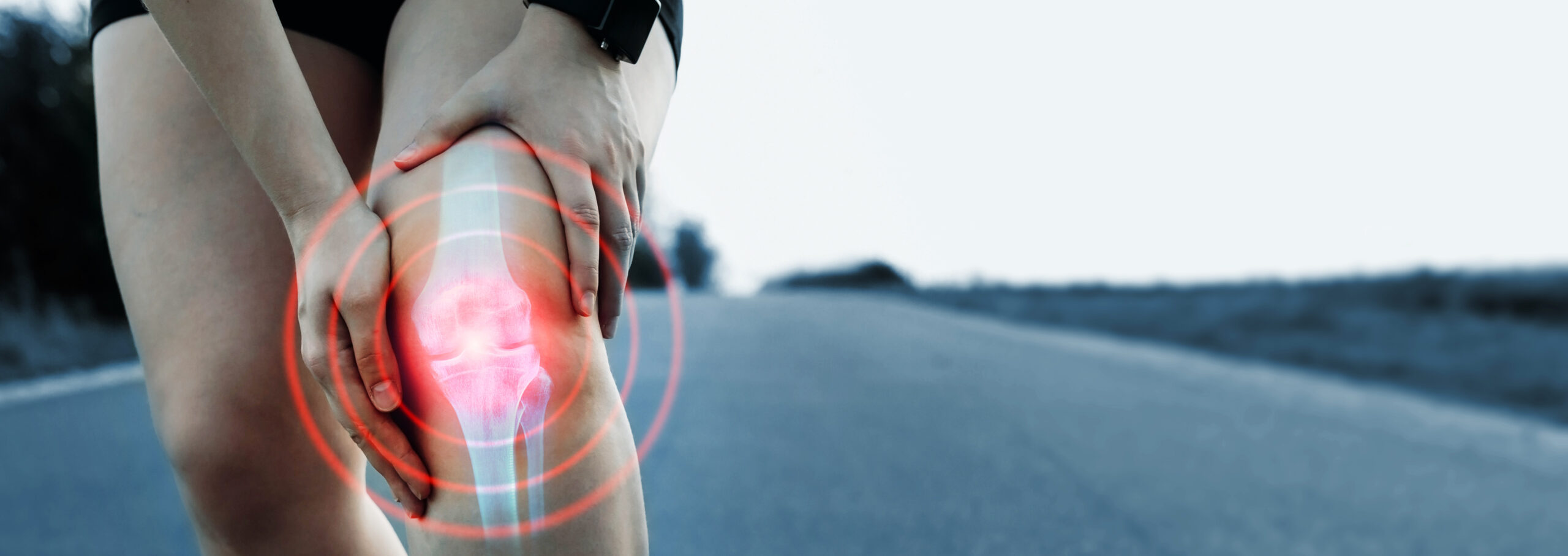
Kinesiology THURSDAY – Biomechanics of a Stuck Knee
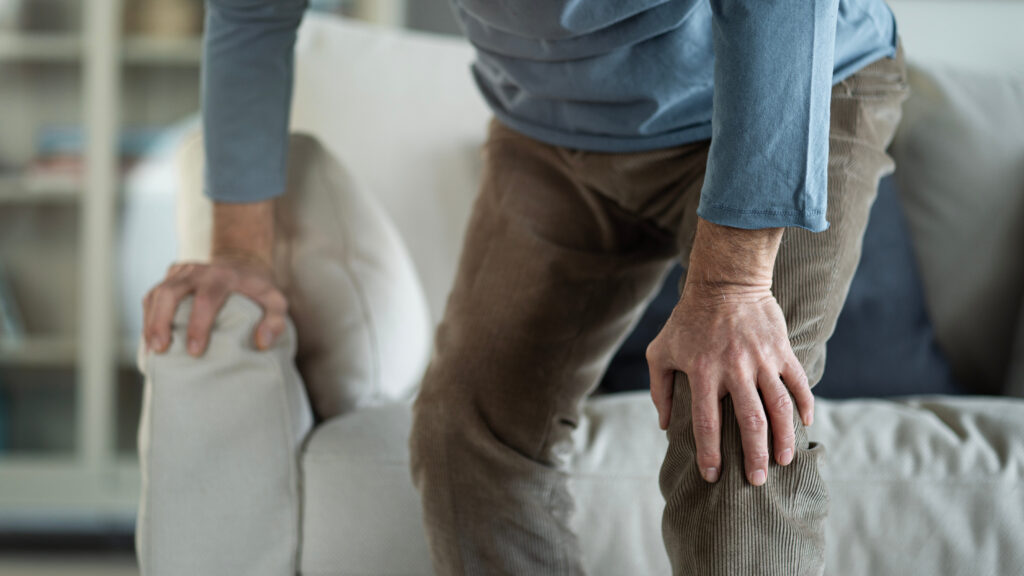
Have you ever walked a long distance and then sat down to rest only to find that when you stand back up your knee feels “stuck”? It may be painful to try to straighten out or extend, but if you bend and straighten it a few times, it “warms back up” and you are able to move.
Good news. This isn’t from old age. And it’s fixable.
This happened to me recently after I did a two mile walk after a long day on my feet. After I got home, my knee felt “locked”. I could make my way up the stairs, but my quad didn’t feel strong or activated. This had happened to me before after I had walked miles on cobblestone streets in Prague.
My last patient yesterday was a young woman who experienced the same thing after she had to do a lot of walking on a large college campus. Her knee ROM was normal and she could actually do a deep squat. But her knee would lock up after long walks.
It’s almost always about the…
If you are a long-time follower of this blog, I bet you said BUTT. And it is. But this time, it’s about the medial gastrocnemius and it’s attempt at sparing the quadricep muscle.
When you walk, the primary job of the quadricep muscle is to decelerate knee flexion. If your quads are weak or you have surpassed the threshold of your quad strength, the body does a simple move to counteract that: it supinates the foot.
That’s right. We simply (and subconsciously) roll our foot to the outside to take the workload off the quadricep muscle.
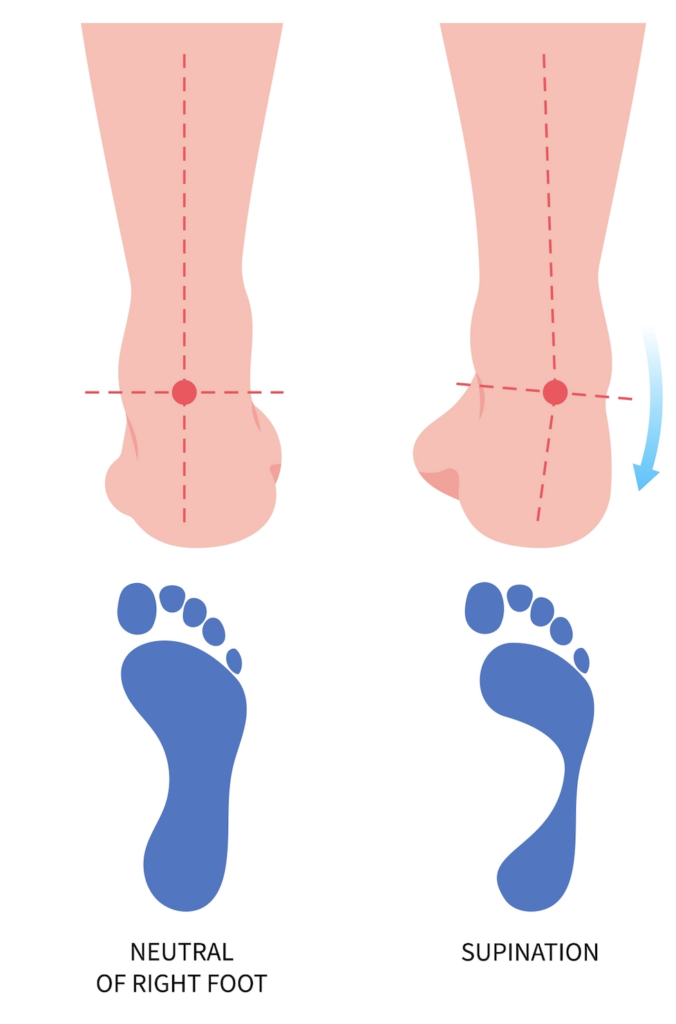
By rolling your foot to the outside, the quadriceps workload is decreased as the knee moves through less flexion and tibial abduction (knees moving in). In other words, we create a functional bow-leggedness (varus) on one side.
When one side supinates, the other tends to pronate in what we call a windswept posture, illustrated by this x-ray:
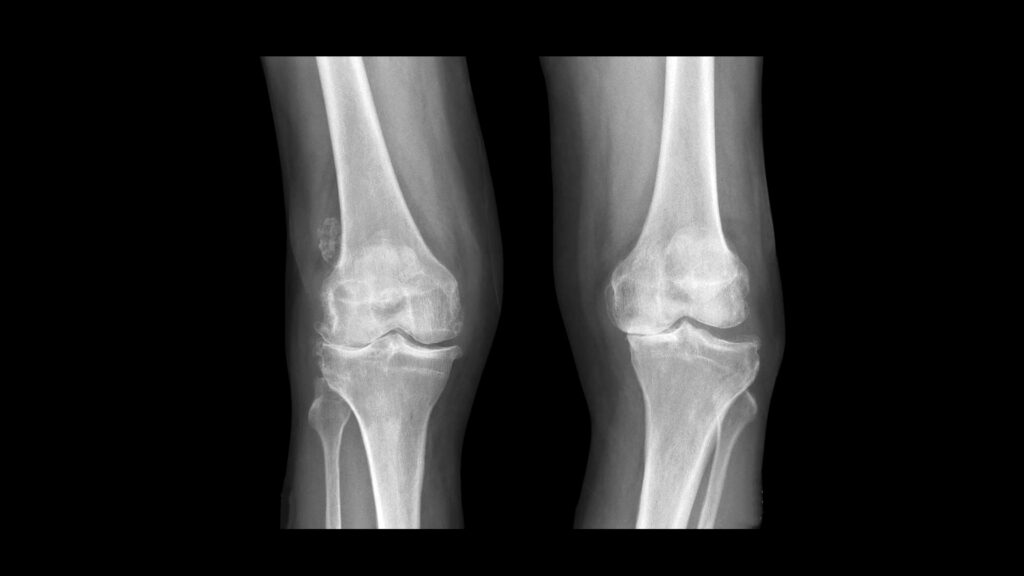
In this x-ray, the left knee (pictured on the right side of the x-ray) is supinated, while the right knee is pronated. Notice the medial knee joint compression on the supinated side.
Here is a picture of the medial gastrocnemius:
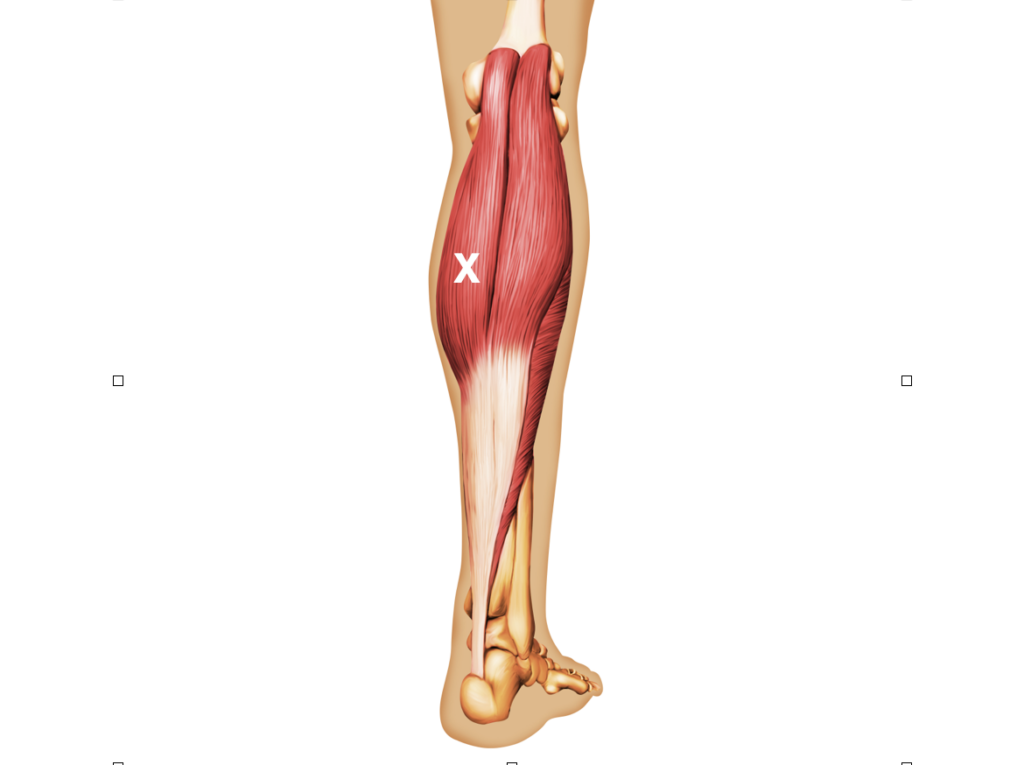
The “x” marks the most common place for a trigger point to occur. Trigger points here will cause chronic functional supination of the subtalar joint and subsequent varus (and medial compartment compression) of the knee above it.
Unlocking a locked knee
Unlocking the knee is as simple as releasing the medial gastrocnemius. Give it a try.
Once the trigger point is released, your knee should feel looser. You should be able to walk up and down stairs and feel your quad activate.
But the solution doesn’t stop there. Stretch your gastrocnemius (downward dog or gravity drop). Your quad will feel like it can activate again. Then you’ll need to strengthen it. I like to do a quad circuit:
- Body squat x 10
- Anterior walking lunge x 10
- Fierce beast x 10
- Rest 1 minute.
- Repeat circuit for a total of three rounds
There are tons of variations of quad strengthening exercises. Pick and choose as you like. The stronger your quadricep, the less you will supinate your foot during long walks.
So the next time your knee feels locked up after a long walk, take 30 seconds to release the medial gastrocnemius. Then don’t forget to wake up the quad.
Because nobody has time to be in pain.
Until next time…
Kind Regards,
MoveWell Academy
[email protected]