Kinesiology THURSDAY – Taylor Decker’s Right Shoulder
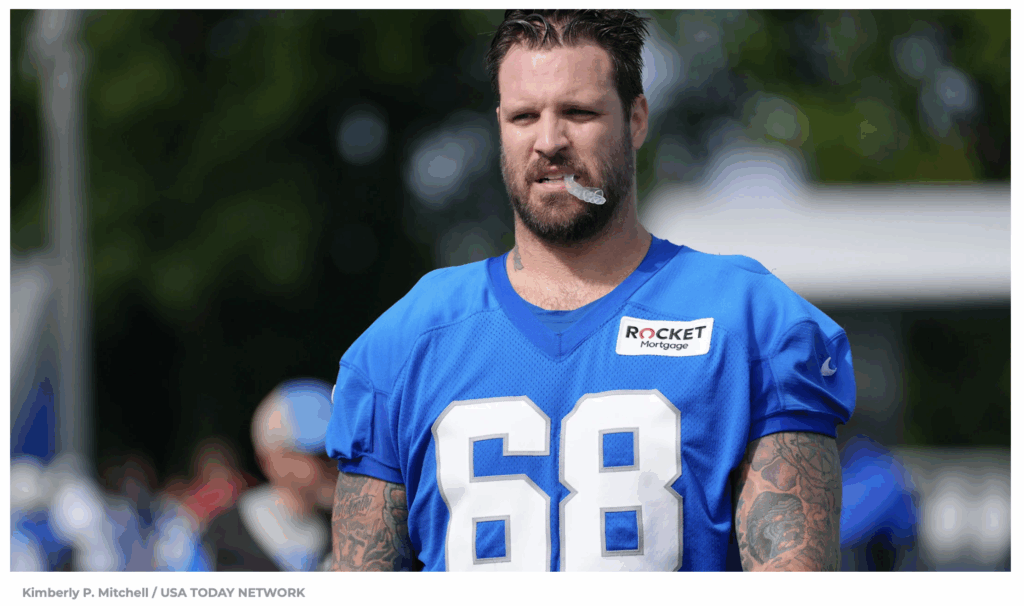
In July 2025, Detroit Lion’s offensive lineman, Taylor Decker, was placed on the active/PUP list (Player Unable to Perform) due to a shoulder injury that required surgery. He is expected to return to practice this month, but his right shoulder has been an issue for a few years:
• June 2017 – Underwent shoulder surgery to repair a torn labrum
• November 2024 – Sustained a rotator cuff strain to the same shoulder. He mentioned a previous pec strain on the same side and wondered if it was a compensatory issue
• July 2025 – Underwent shoulder surgery to “clean out” the shoulder after trying in the offseason to rehab his injury
The mechanics of anterior shoulder dislocation and labral tears
Anterior shoulder dislocations usually occur with rapid flexion, abduction and external rotation force to the glenohumeral joint. Shoulder external rotation requires anterior gliding of the humeral head in the glenoid fossa and is decelerated by the shoulder internal rotators (pectoralis major, anterior deltoid and subscapularis).
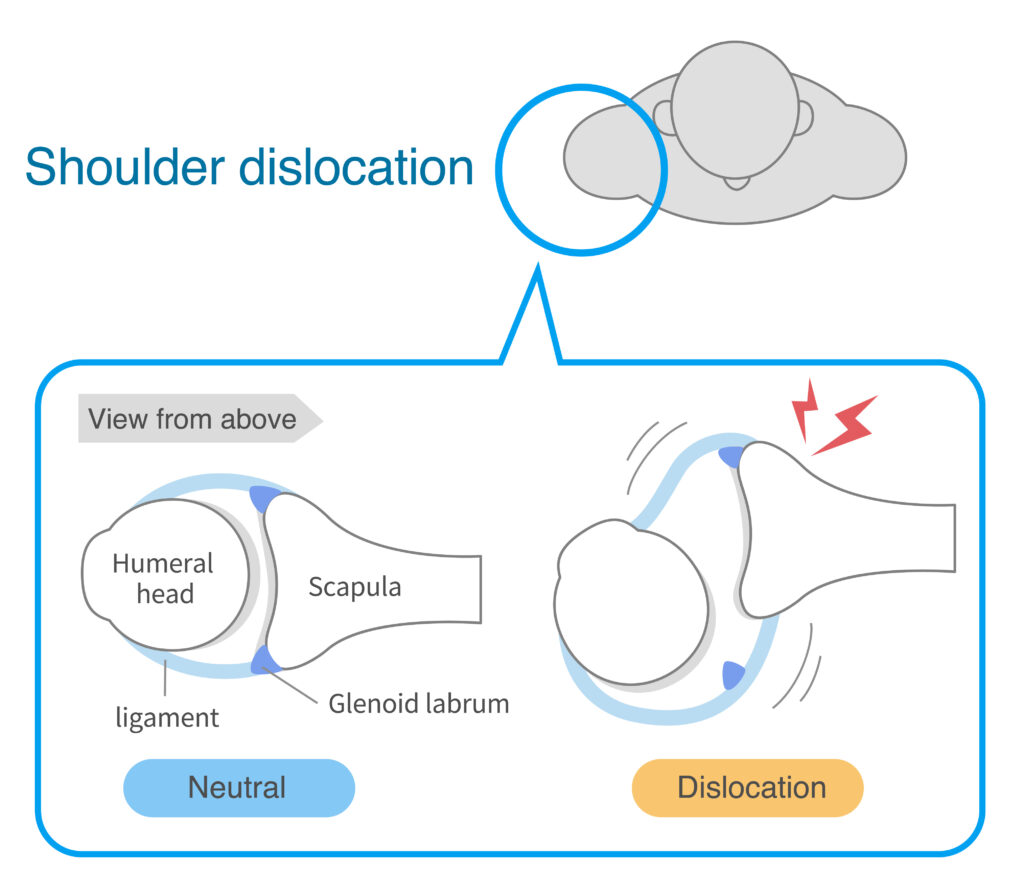
But that’s not all that occurs when you externally rotate the shoulder. If you are standing and throw a ball, for example, from the foot on up this is what has to happen at certain joints (and muscles that decelerate those actions):

- Right subtalar joint eversion (tibialis posterior, Achilles tendon)
- Right knee flexion (quadriceps)
- Right hip flexion/internal rotation (gluteus maximus, hamstrings)
- Right thoracic rotation (right external oblique, left internal oblique
- Right shoulder external rotation (right pectoralis major, subscapularis)
If all those things happen, then the glenohumeral joint is relatively protected.
Since Taylor Decker isn’t a quarterback, he most likely injured his shoulder in a motion like this:
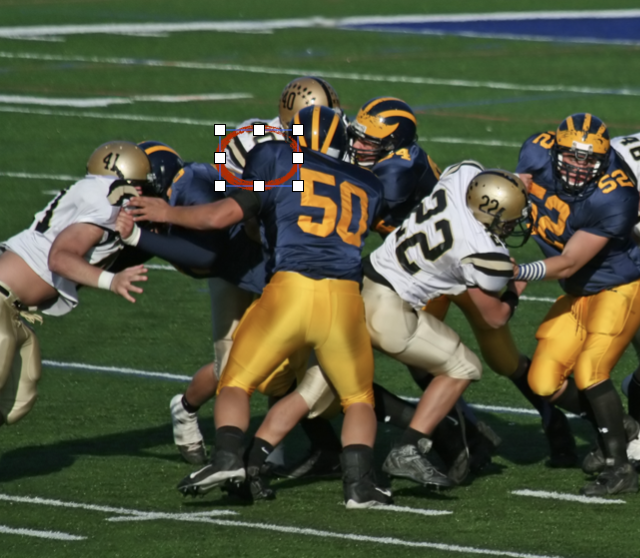
This motion requires rapid deceleration of shoulder external rotation. If a pectoralis major muscle is being aggravated (as Taylor reported), there may be other muscles in the biomechanical chain that may not be contributing to the deceleration of this force.
What Would I Do?
If I had the chance to rehab Taylor Decker, I would do the following:
- Correct pelvic alignment to ensure normal rotation of the right hip
- Perform FABER and piriformis testing of the right hip and fix what I find
- Perform the thoracic sequence to ensure normal functional right rotation
- Evaluate right ankle dorsiflexion/eversion
- Make sure the scapula is not protracted (check for trigger points in pec minor and posterior deltoid)
See how many of those things aren’t even at the shoulder?
Why does this matter?
Recurrent shoulder injuries involving anterior subluxation or rotator cuff aggravation from anterior migration of the humeral head usually occur due to a lack of contribution to joints/muscles in other parts of the biomechanical chain. Overuse simply means other areas are “underused”.
In the case of a shoulder that keeps getting injured, it’s best to use your ears listen to where the pain is and take your eyeballs and look somewhere else. Think about this the next time you encounter someone with repeated shoulder injuries to the same side.
Because nobody has time to be in pain.
Until next time…
Kind Regards,
MoveWell Academy
[email protected]