
Anatomy TUESDAY – Sinus Congestion and the Vagus Nerve
I have a patient who recently underwent left total shoulder replacement. He describes chronic left nasal congestion unrelated to anything viral. “When I lie down, I consistently experience left-sided nasal obstruction that does not feel intranasal — I can’t clear it from the nose, there’s no discharge, and it resolves with position changes. The symptom is always unilateral (left only)and appears to be positional rather than sinus-related,” he wrote.
“What’s notable is that the obstruction improves when my left shoulder and clavicle are supported or repositioned. For example, placing light support under the left clavicle or gently setting the left scapula back and up often reduces the sinus congestion within minutes.”
I have some pretty smart patients.
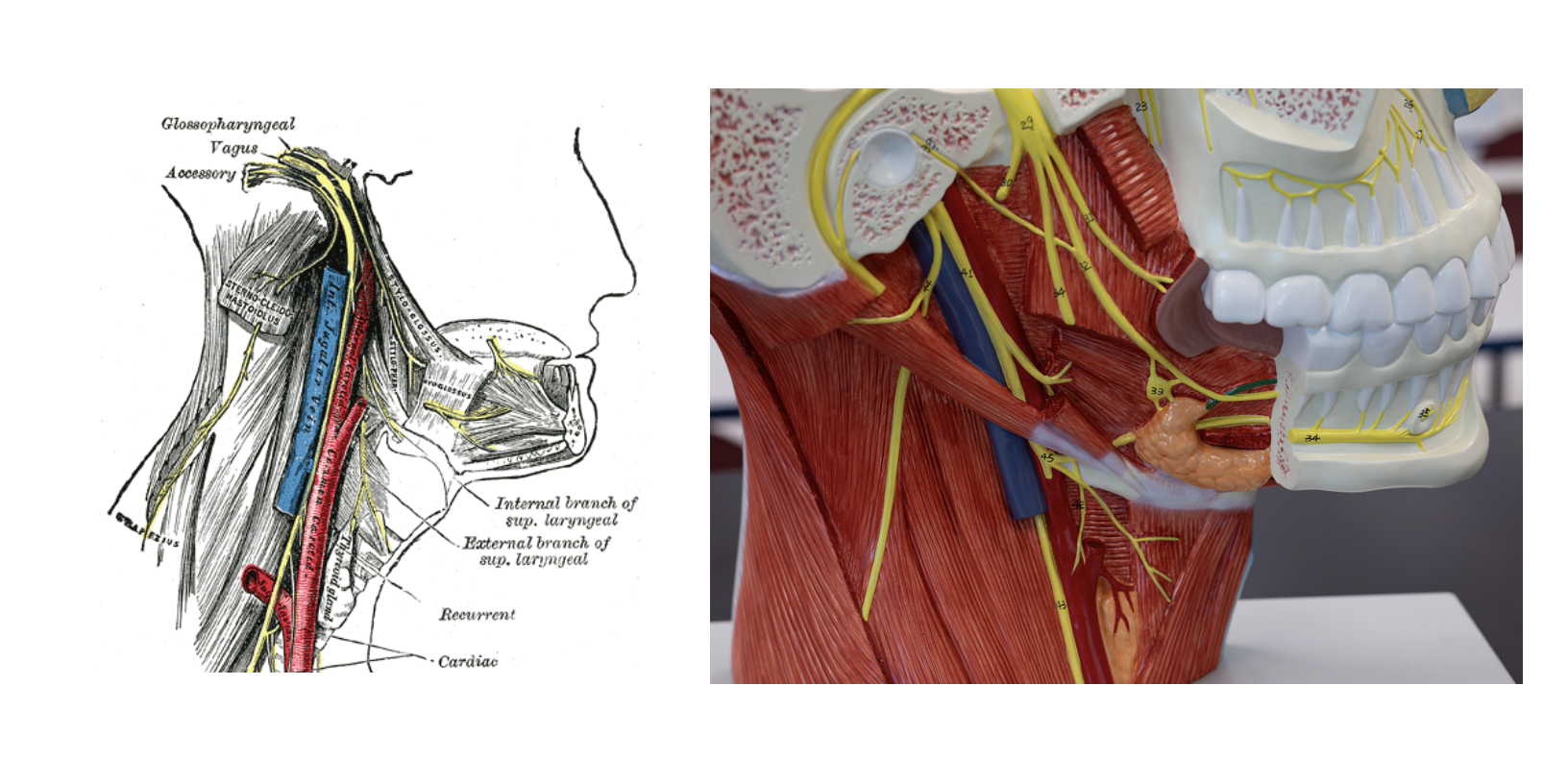
The vagus nerve (CN X) is the longest cranial nerve, extending from the brain, through the foramen magnum, passing deep to the sternocleidomastoid (SCM) and clavicle on its way to the gut. It is a mixed nerve (sensory and motor) and is responsible for physiologic actions such as immune response, digestion and vocalization. In short, it helps put the brakes on the sympathetic nervous system, the system that promotes stress.
Vagus nerve compression has been linked to sinus congestion. 84% of people with sinus congestion also report neck pain. Chiropractors routinely manipulate C1, C2 as instability in this region may cause compression of the vagus nerve as it exits the foramen magnum.
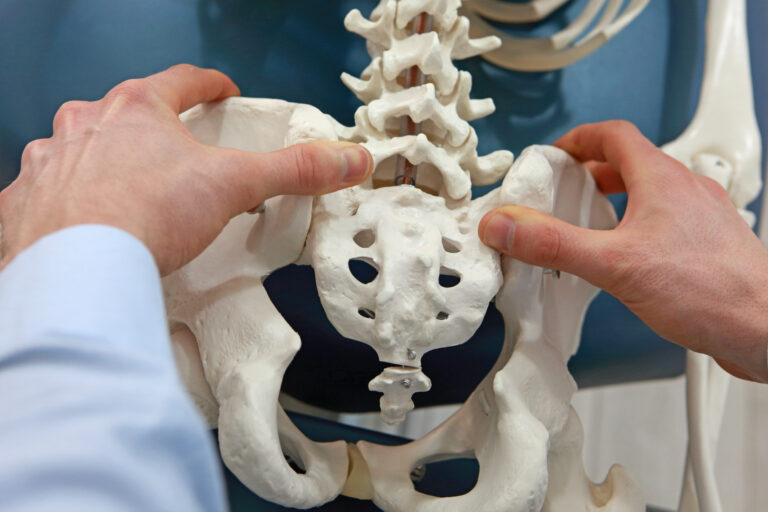
My patient has presented with trigger points in the SCM and upper trapezius as well as chronic mild subluxation of the medial clavicle at the SC joint prior to surgery. Three weeks of wearing a sling promotes this abnormal scapular positioning.
Why does this matter?
In the case of this patient, it seems plausible his left nasal congestion may be linked to vagus nerve compression. Relief of congestion with passive protraction and elevation of the scapula alludes to possible involvement of the SCM. A tight SCM would be placed on slack with the positioning described by my patient (slight elevation and protraction of the shoulder). Post-surgical shoulder patients often dislike lying supine as the elbow falls below the plane of the protracted scapula causing increased anterior shoulder pressure.
It’s also interesting to note the vagus nerve massages usually involve release in the area of the SCM muscle. A tight SCM may also cause medial clavicle subluxation.
If you or your patient experiences unilateral nasal congestion in supine, consider the vagus nerve. Release trigger points in the SCM and correct SC joint subluxations. It may be the simple solution to taking a deep breath.
Because nobody has time to be in pain.
Until next time…
Kind Regards,
MoveWell Academy
[email protected]