Muscle Minute TUESDAY – Windswept (Part 4 – Pelvic Rotation)
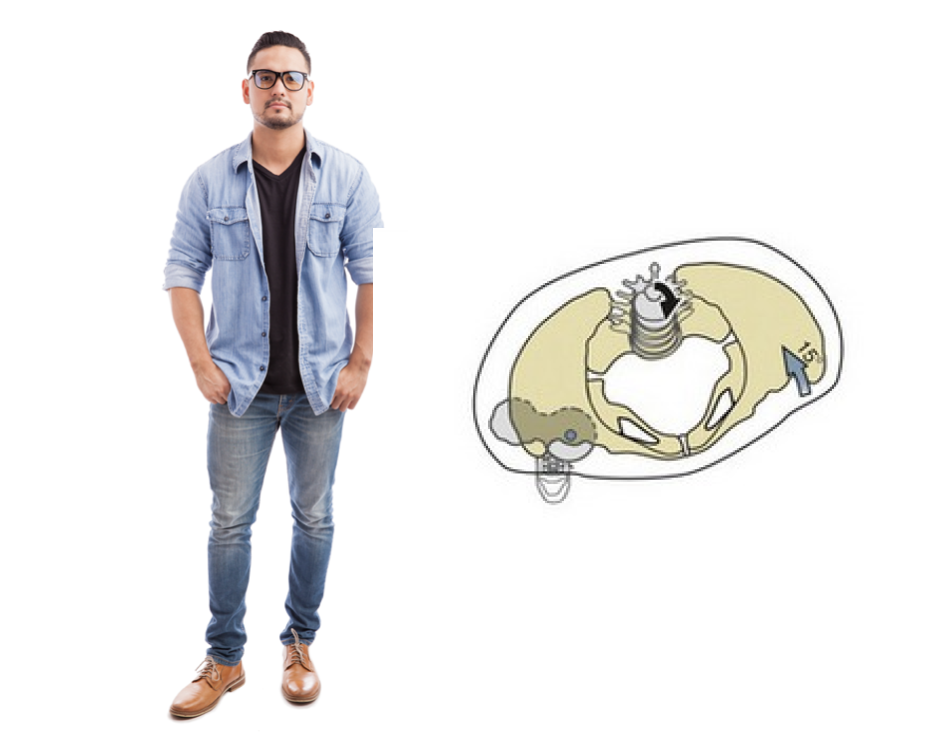
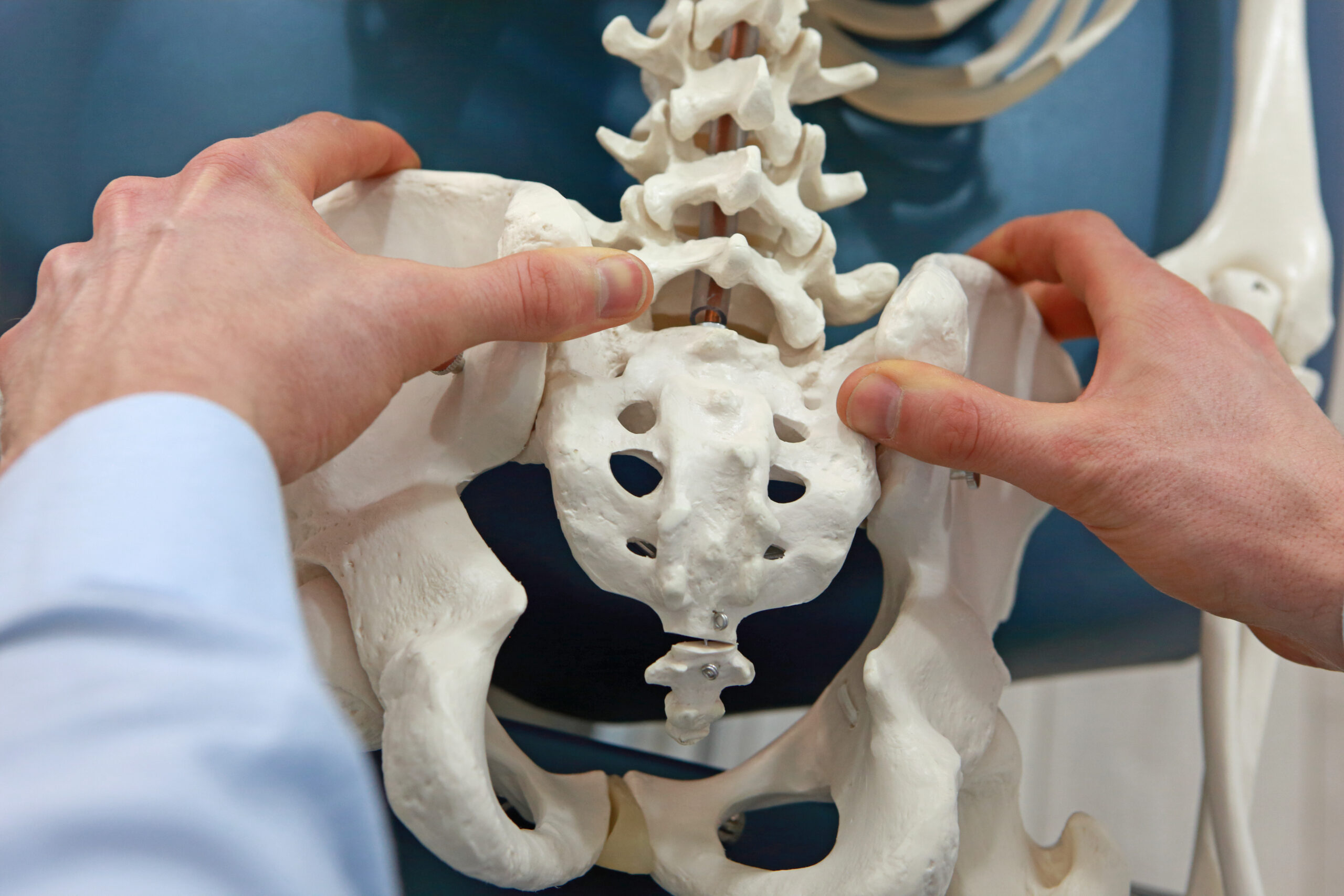
Continuing our exploration of the windswept posture, we arrive at the pelvis. In the posture above (windswept to the left), it isn’t uncommon to see left pelvic rotation in the transverse plane. This is observed easily in supine by lightly placing the palms of your hands on the ASIS and assessing if one hand is closer to the treatment table than the other.
| Over Supination | Over Pronation | |
| Pelvis rotated towards | Pelvic Position | Pelvis rotated away |
| Weaker | Standing Glute Squeeze | Stronger |
| Unable to pick up leg | Supine Foam Roll Balance | Able to pick up leg |
| Tubing punch (ipsilateral) | Exercise Fix | Tubing punch (opposite) |
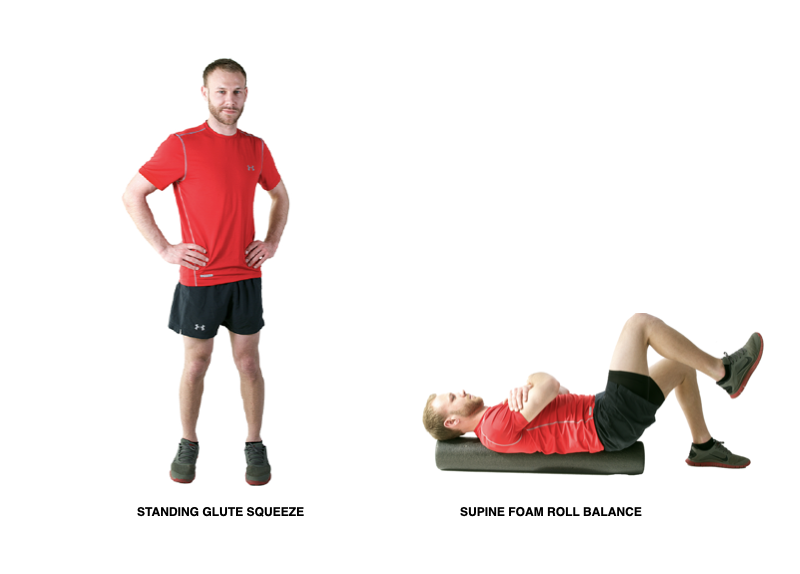
For the standing glute squeeze test, have the patient stand with feet hip width apart and toes pointed straight ahead. Ask them to isometrically tighten just one butt cheek. (hint: almost everyone can contract both at the same time). Is one weaker? This is the side the pelvis is rotated towards.
For the supine foam roll balance test, have the patient lie on a foam roll with hands crossed on chest and feet shoulder width apart. Ask them to lift one leg like they are marching and hold it for 3 seconds. The side they are unable to lift (due to poor balance) is the side they are rotated towards.
Here’s the fix:
Though there are several potential fixes for this problem, the most common fix lies in the simple exercise, the standing tubing punch:
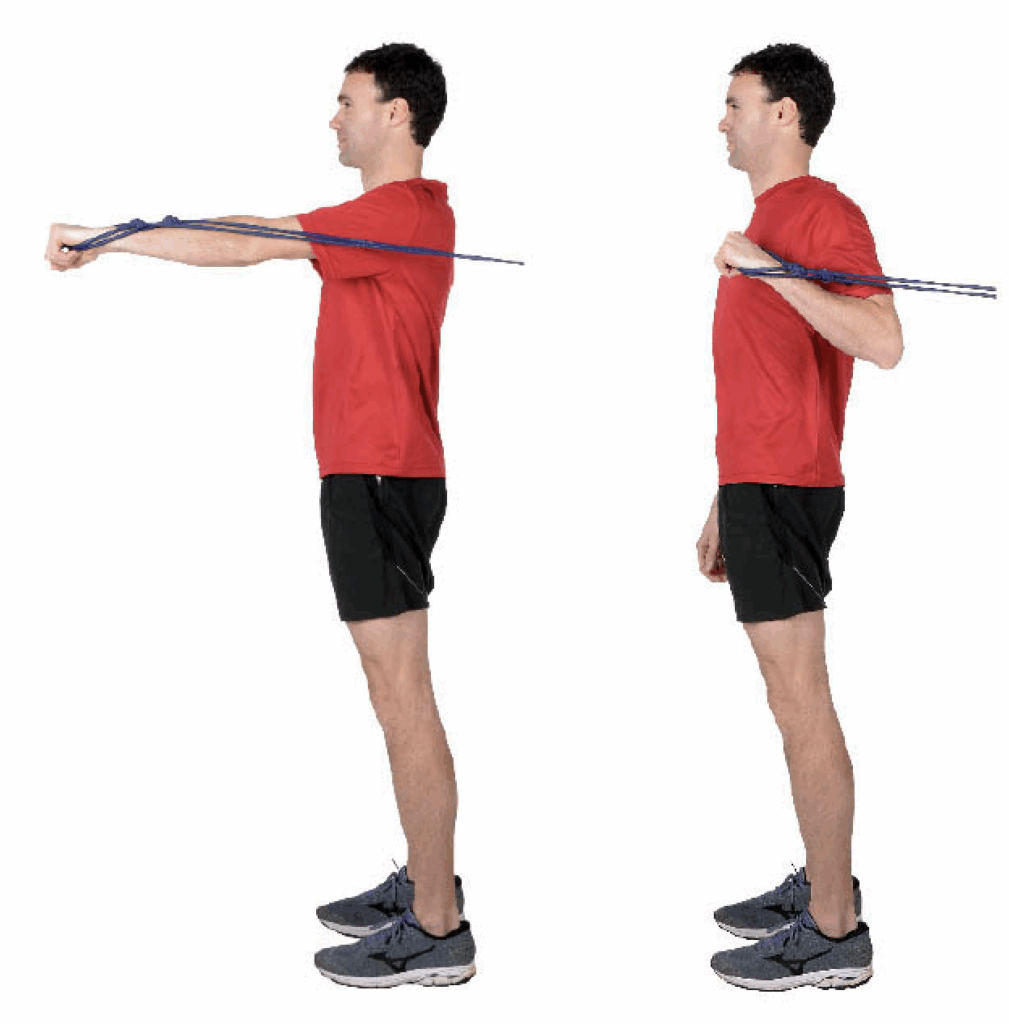
Hold the tubing on the side of the weaker glute. The resistance should be strong enough to pull the pelvis towards that side when the arm is held near the chest. Set your ipsilateral glute (the same side you are punching with) and square your pelvis to the front. Hold this pelvic position while you punch 10-12 repetitions. Repeat for three sets. Then re-test foam roll balance.
Why does this matter?
Though this is Part 4 in the Windswept series, we very well could have started here as correcting the abnormal pelvic rotation position often lies at the root cause of this posture. By performing two simple assessments and one simple fix, you can begin to combat the over pronation/supination problems of the lower extremity. Remember, pain on one side may very well be caused by weakness on the other. It is imperative to widen your gaze to include more than just the site of injury. So, check out pelvic rotation and fix what you find.
Because nobody has time to be in pain.
Until next time…

Kind Regards,
MoveWell Academy
[email protected]