Muscle Minute TUESDAY – Meet the Quadratus Lumborum
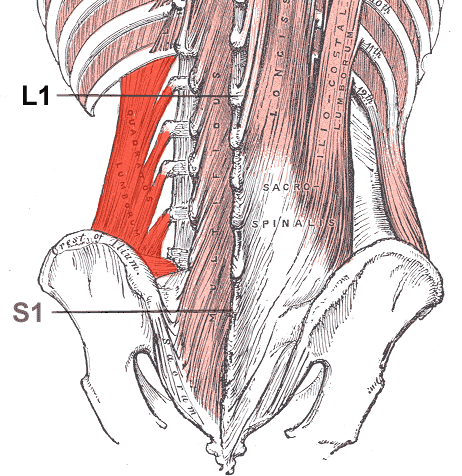
Quadratus Lumborum
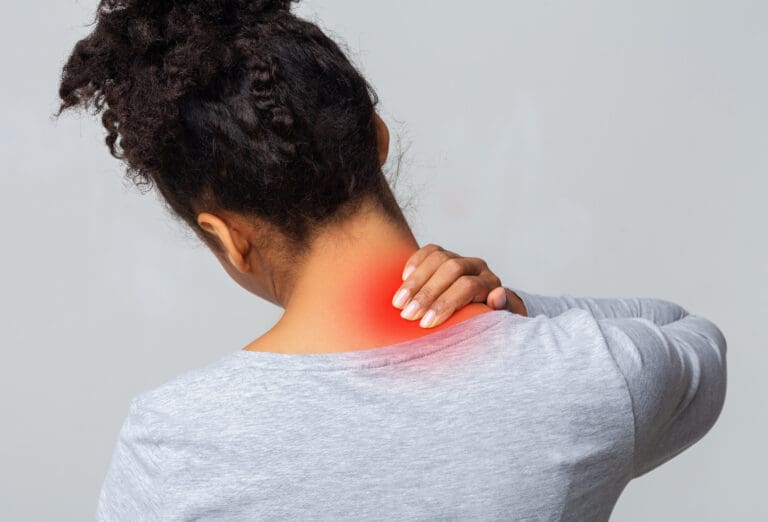
This is the first muscle I palpate on practically every new patient as I perform an initial evaluation, regardless of diagnosis. Though rarely the source of pain, it is often lies at the root of insidious onset lower extremity aches and pains. Why is that? Let’s dive in…
| Origin | posterior border of iliac crest |
| Insertion | inferior border of 12th rib and L1-L4 transverse processes |
| Action | lateral flexion (unilaterally); extension (bilaterally) |
| Innervation | ventral rami of T12, L1-L4 |
| Antagonists | rectus abdominus; gluteus medius |
The Real World Quadratus Lumborum
The quadratus lumborum (QL) is one of two muscles that I have observed that can create a functional leg length discrepancy. Along with the psoas major, a trigger point in this muscle often results in an elevated pelvis on that side, making the leg feel too short. This is confirmed by the presence of a QL trigger point with an elevated iliac crest, both easily palpated when assessing postural symmetry from the back.
Why does it do this? One of the most common reasons the QL develops a trigger point lies in the weakness of one of its functional antagonists, the gluteus medius.
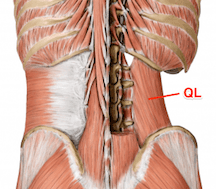
The fascial connection between the QL and gluteus medius can be appreciated in the above illustration. Strength of the gluteus medius can be tested with a modified side plank, with weakness often being seen on the same side as the QL trigger point.
Here’s a short list of why this matters:
- A QL trigger point often elevates a pelvis and creates a shorter leg, causing over supination of a limb.
- An over supinated limb will result in excessive lateral ankle, lateral knee and medial hip soft tissue strain. Chronic lateral ankle sprains, ITB friction syndrome and adductor strains are some common overuse injuries of an over supinated lower extremity.
- Over supination is often a result of an antalgic gait pattern in post-surgical patients. Long after the surgical pain has subsided, the QL trigger point can persist.
- A QL trigger point may cause lumbar nerve root compression
- A QL trigger point may secondarily elevate the shoulder girdle, as seen by corresponding upper trapezius trigger points on the same side. Releasing the QL often results in a leveling of the shoulder girdles. An elevated shoulder may lie at the root of rotator cuff overuse injuries.
Conventional thinking says: The quadratus lumborum will laterally flex the trunk to the same side.
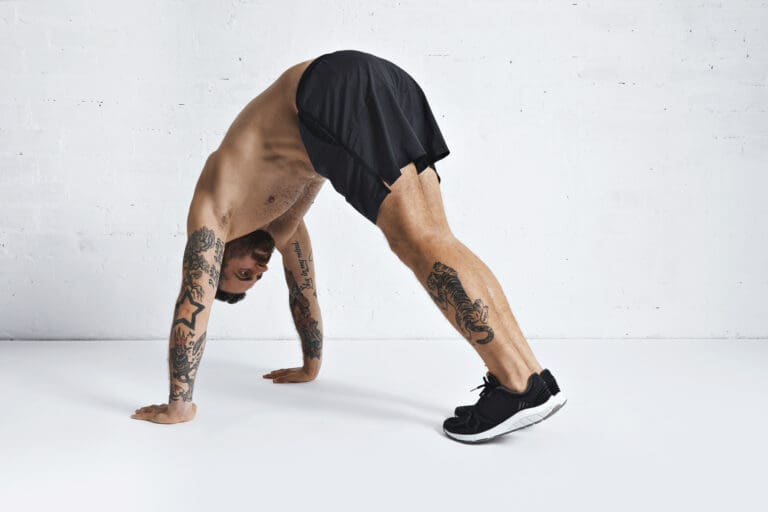
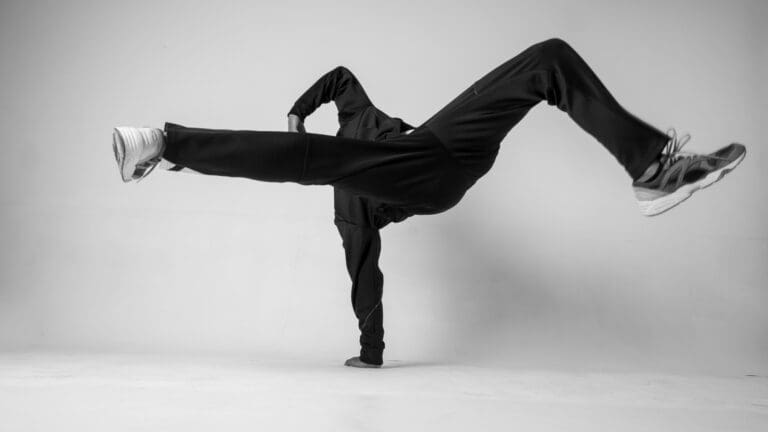
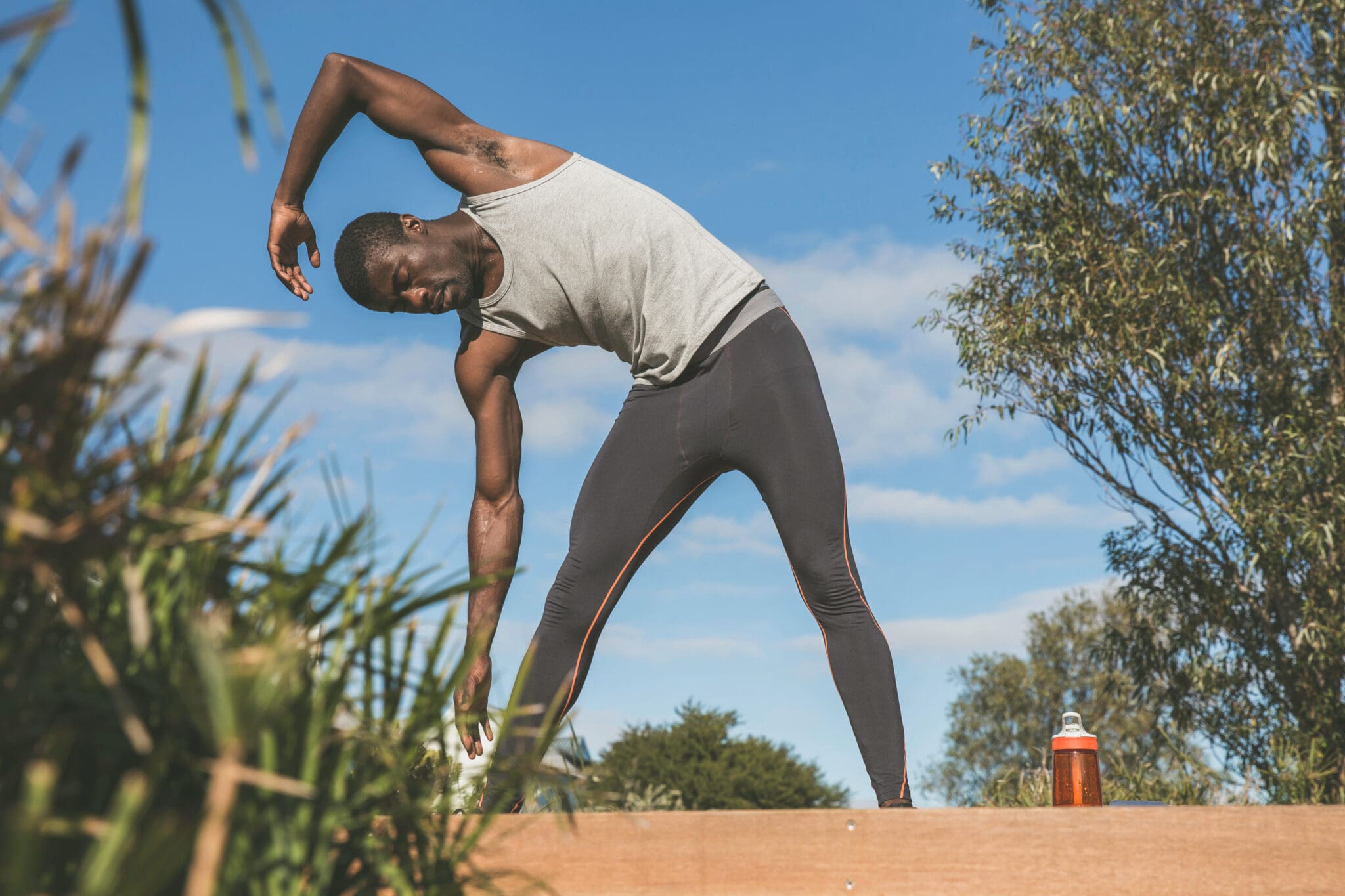
Real World Thinking says: A quadratus lumborum trigger point more often elevates the pelvis on the same side and is associated with weakness of the gluteus medius. To maintain frontal plane balance of the pelvis, lengthen the quadratus lumborum (wall washing or twisting bear) and strengthen the gluteus medius (side plank, mini-band lateral step, Swiss ball push to the wall).
Because nobody has time to be in pain.
Until next time…

Kind Regards,
MoveWell Academy
[email protected]