
Kinesiology THURSDAY – Beyond Bad Posture: The Biomechanics of Sitting
A few years ago, our corporate program, MoveWell, supported a company’s wellness campaign called Sitting is the New Smoking. Sitting gets a bad rap, and yet, it is a necessary part of life. We all do it…sometimes for hours.
When our back starts to hurt or our hip flexors get tight, we often blame it on sitting. We educate people on proper sitting posture that often looks like this:
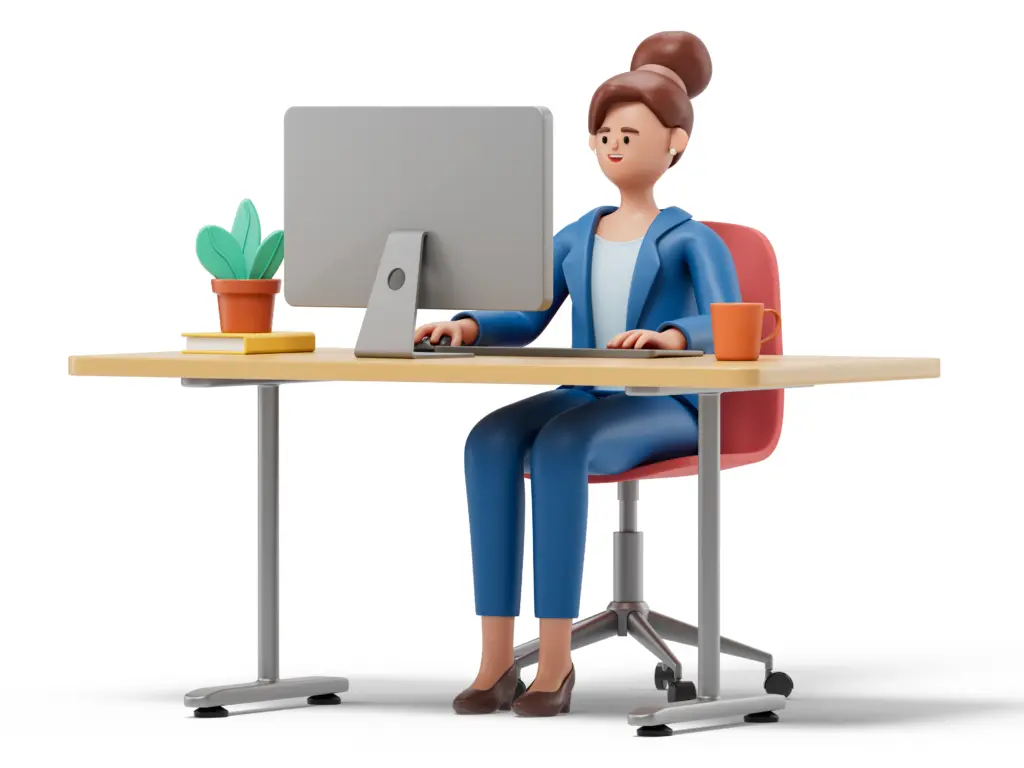
That’s not a bad idea. I just can’t remember the last time I sat at a desk and looked like that. And I certainly don’t watch TV or read in that perfect position.
From a kinesiology perspective, the effects of sitting extend beyond posture alone. Sustained hip flexion, relatively static spinal positioning, reduced muscular activity, and movement or postural asymmetry all contribute to changes in the body’s mechanical and physiological demands.
What is it that makes sitting a challenge? Let’s take a closer look:
- Hip Position: Sustained Flexion and Muscular Demands
During sitting, the hips typically remain in approximately 90 degrees of flexion, depending on seat height, pelvic positioning, and individual posture. This position places muscles such as the iliopsoas in a relatively shortened position, especially if you sit and you let your knees fall out (hips externally rotate).
Although prolonged sitting is often associated with hip flexor tightness and reduced gluteal activation, your hip flexors don’t automatically get tight with sitting. Other habitual movement patterns (such as walking with your toes turned out or an excessive anterior pelvic tilt from weak abdominal muscles) may contribute to decreased hip extension mobility.
- Spinal Posture: Static Loading and Positional Tolerance
Sitting influences spinal alignment and mechanical loading, particularly in the lumbar and cervical regions.
Relaxed sitting commonly involves posterior pelvic tilt and reduced lumbar lordosis, while desk-based activities may encourage sustained cervical flexion and forward head positioning.
Though these postures alter the distribution of pressure across spinal structures and muscles, no single sitting posture has been consistently established as the primary cause of spinal pain. Prolonged static positioning may contribute to discomfort or fatigue in some individuals, but posture alone is not a reliable predictor of musculoskeletal dysfunction.
- Muscle Activity: Reduced Contractile Demand
Supported sitting significantly reduces the muscular demands placed on the lower extremities compared with standing, walking, and other weight-bearing activities. Your glutes, quads, hamstrings and gastrocnemius are less active when you sit.
But, reduced muscle activation during sitting does not necessarily indicate muscular inhibition or weakness. Sitting to watch at TV show doesn’t automatically make you weak. Working at a desk for 8 hours also doesn’t make you weak.
It is habitual inactivity can reduce opportunities to maintain muscular strength, endurance, and functional capacity.
Prolonged sitting isn’t necessarily bad for you. It’s just bad if it is not counteracted with other types of activity in your day.
Regular interruptions of sedentary time alongside progressive resistance training and aerobic activity to support musculoskeletal and metabolic health.
- Postural and Movement Asymmetry: The Movement Bubble
Prolonged sitting limits exposure to varied mechanical demands, as the body remains in relatively consistent joint positions with minimal changes in muscular loading. But any prolonged position has this effect.
Standing all day. Lying down all day. Driving all day.
I remember when standing desks became popular. Seemed like a good idea. Limit sitting and people will be pain-free. But then we started hearing people complaining of low back pain and knee pain even though they were trying to do the right thing by avoiding sitting all day.
Here’s a fact: An asymmetrical body will have lower tolerances to prolonged positions. Any prolonged position.
If one shoulder is higher than the other, one foot turns out more or you turn better to one side than the other, these asymmetries in posture or movement become amplified with prolonged postures.
From a clinician stand point, if someone is having problems tolerating sitting, it is better to take the time to find these postural and movement asymmetries then to focus on the perfect sitting position.
I often describe a movement bubble, an imaginary sphere that surrounds each person. If a person has symmetrical posture and movement, the bubble is large and round. As long as one stays within their movement bubble, they remain injury free.

Asymmetrical postures or movement patterns can result in a bubble that is shaped like this:
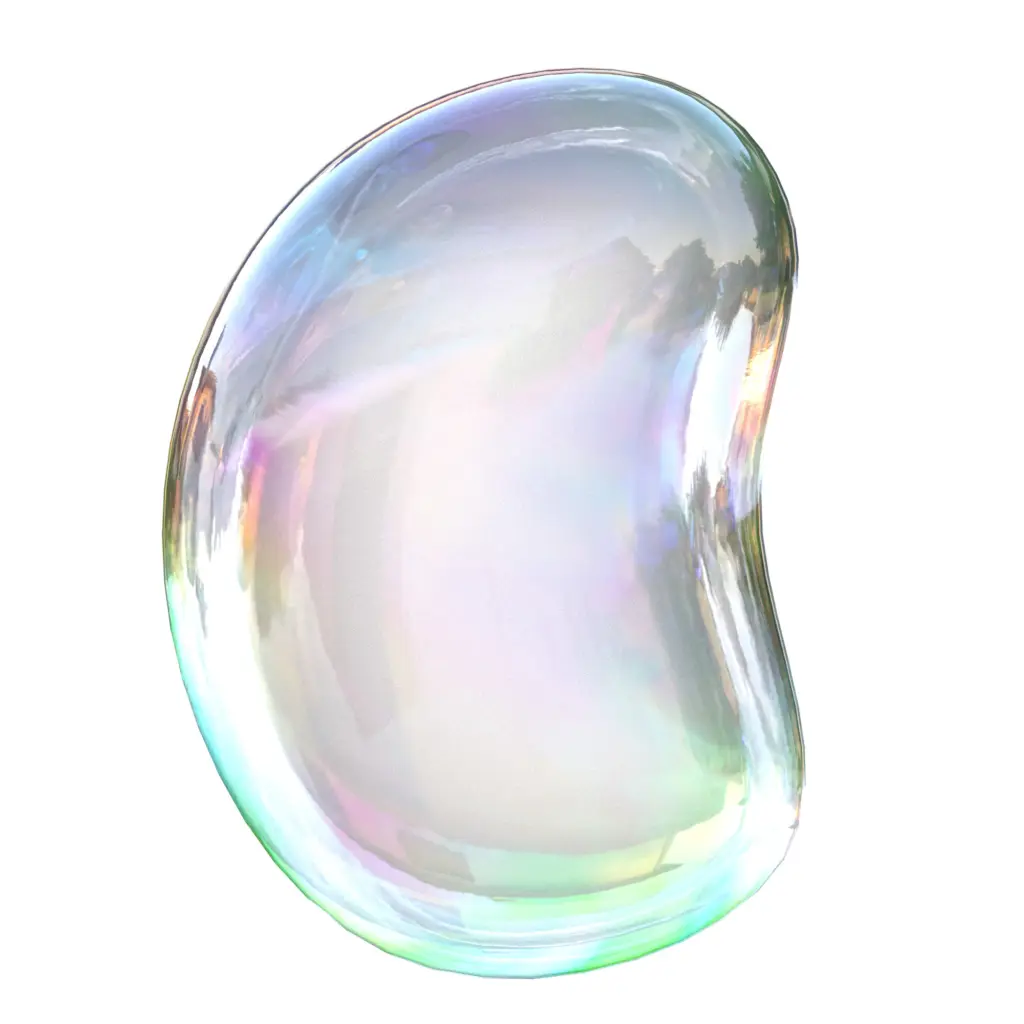
This type of movement bubble can make sitting, standing or lying down for prolonged periods a challenge.
The objective is not to eliminate sitting but to reduce prolonged inactivity and support the body’s capacity to tolerate a range of positions and movements.
Why does this matter?
Prolonged sitting promotes postural challenges, such as sustained hip flexion, relatively static spinal positioning, reduced lower-extremity muscular activity, and limited movement exposure. However, sitting isn’t inherently bad for you.
It becomes a greater challenge if it is the only thing you do.
I remember a magnet on our refrigerator when I was a kid. It said:
Variety is the spice of life. But monotony provides the groceries.
Sitting may be the monotony. It is a necessary thing and one that cannot (and should not) be avoided. It doesn’t automatically make you weak or shut off muscles.
Ultimately, the goal is not to eliminate sitting or prescribe a universally correct posture. It is to support the capacity to tolerate, perform, and transition between a broad range of functional activities by promoting movement variability and symmetry.
In other words, add some spice (movement) into your life and sitting won’t be so hard.
Because nobody has time to be in pain.
Until next time…
Kind Regards,
MoveWell Academy
[email protected]