Kinesiology THURSDAY – 8 Hard Moves After 60 – Getting Up From a Chair
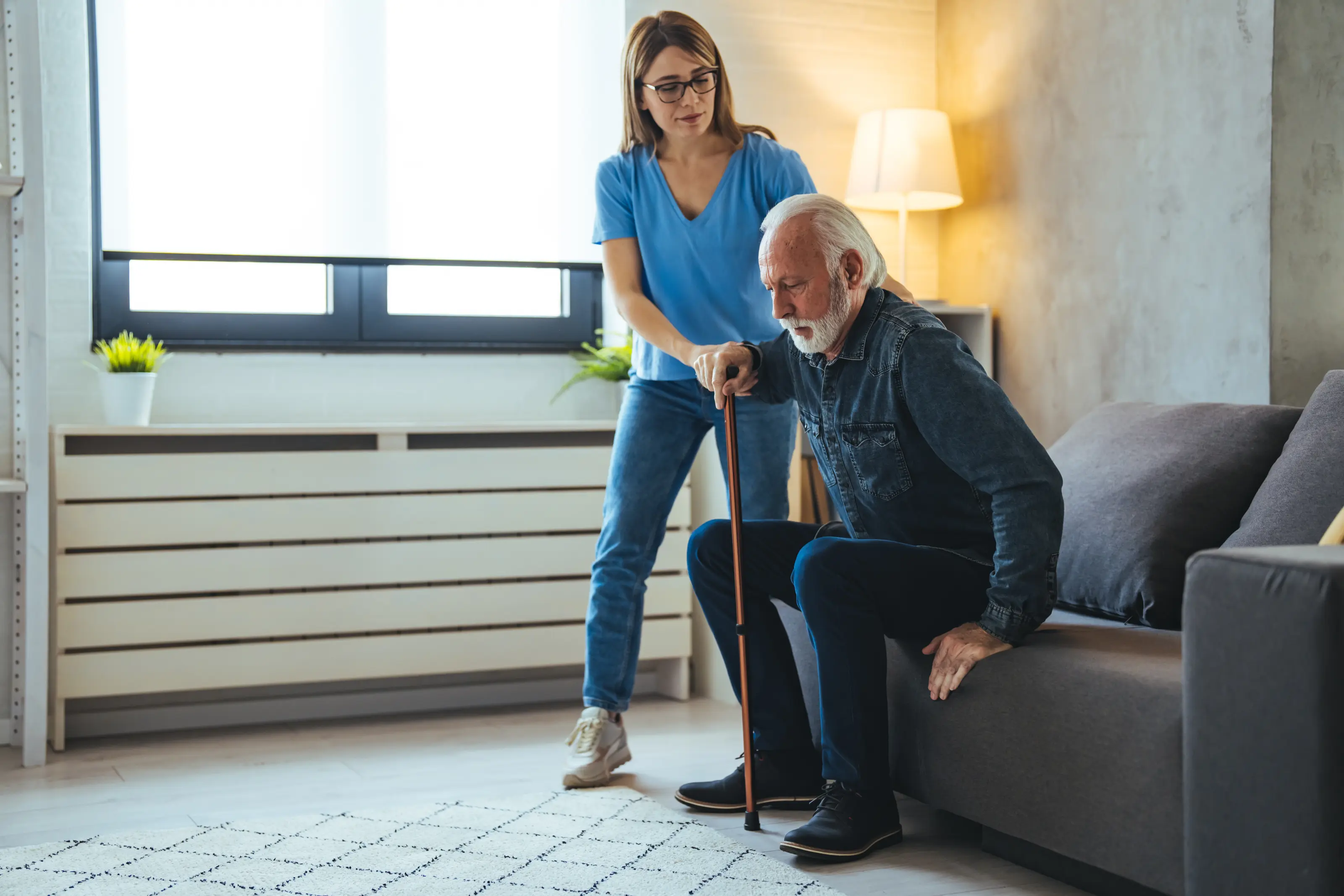
The ability to stand up from a chair without using your hands might seem simple.
But it’s not. It’s actually one of the clearest indicators of lower body strength, balance, coordination and overall independence. In fact, researchers often use this exact movement to assess how well someone can function in daily life.
Because if this starts to go…everything else gets harder.
After about age 50, we naturally begin to lose muscle—especially in the legs.
This process, called sarcopenia, affects your quads and glutes. Balance becomes less stable. Joints stiffen. Reaction time slows.
None of this happens overnight. But collectively, they make standing up from a chair more difficult.
Signs you’re losing this ability…
You use your hands to push off
You rock forward to gain momentum
You avoid low couches or deep chairs
You feel unstable when you stand up
You hesitate before taking your first step
Kinesiology of Standing Up
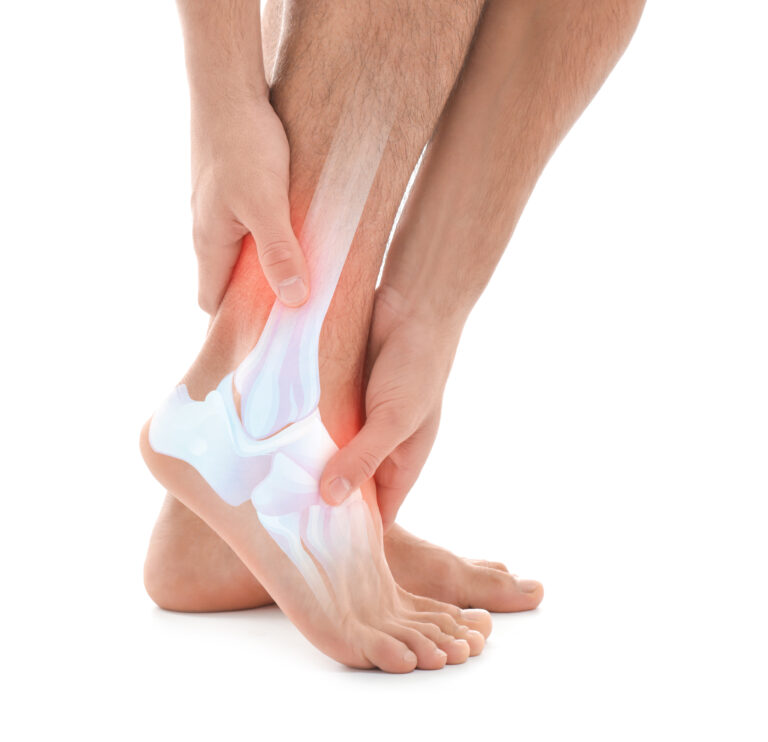
Standing up from a chair requires the following joint motions and muscle contractions: ankle dorsiflexion, knee flexion, hip flexion and core stability. Ankle dorsiflexion and eversion eccentrically loads the soleus, posterior tibialis, flexor digitorum and flexor hallucis longus. Knee flexion loads the quadriceps. Hip flexion loads the gluteus maximus and hamstrings.
Once all these muscles are eccentrically loaded, then they can be used to stand up. One of the biggest limitations is ankle dorsiflexion. Without adequate dorsiflexion, people tend to toe-out and widen their base of support, decreasing loading of the gluteus maximus and quadricep muscles.
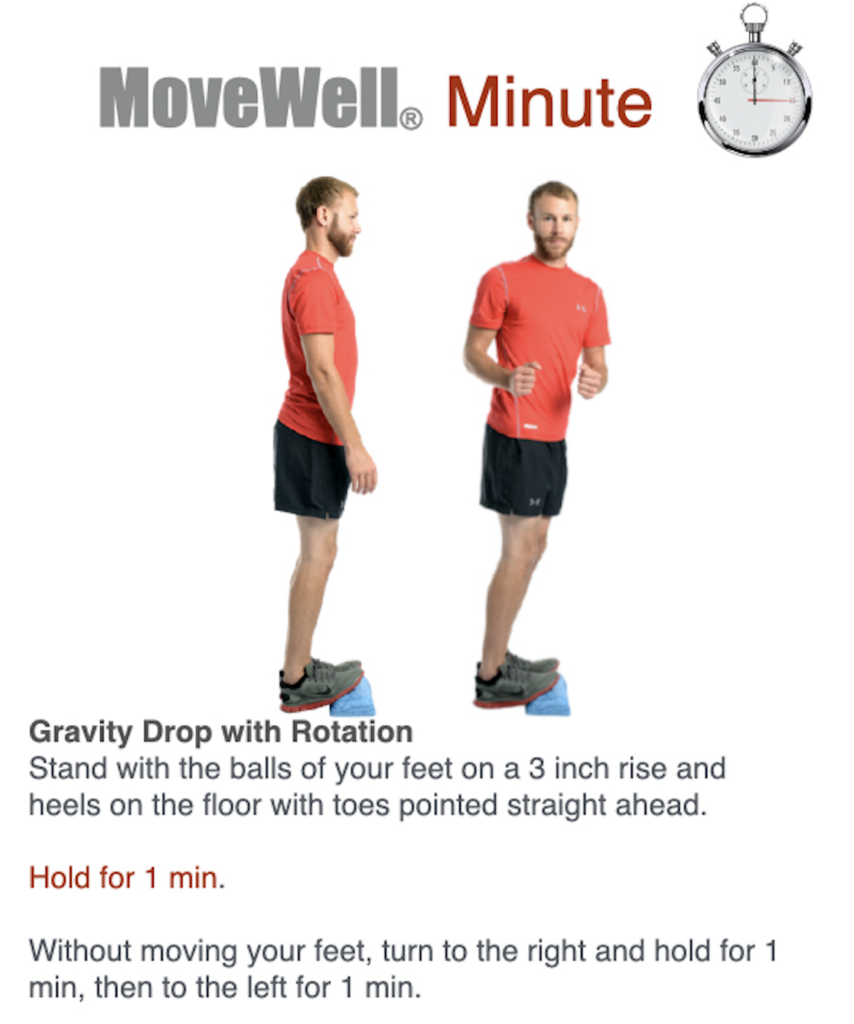
You should be able to do this on a 3″ high block (or half foam roll) and feel minimal to no stretch in your calf muscles. If it feels tight, performing this exercise for 1 minute a day will help restore functional ankle dorsiflexion.
Hands-On Techniques to Improve Sit to Stand
If you want to help your patients stand up more easily, perform the following:
- Release trigger points in the tibialis posterior and anterior to allow for more eversion and dorsiflexion
- Release fascia in tibialis anterior by skin rolling or cupping
- Mobilize talus to improve posterior glide
- Release trigger points in the gastrocnemius
Real World Exercise
- Gravity drop (see above) – 1 min x 3
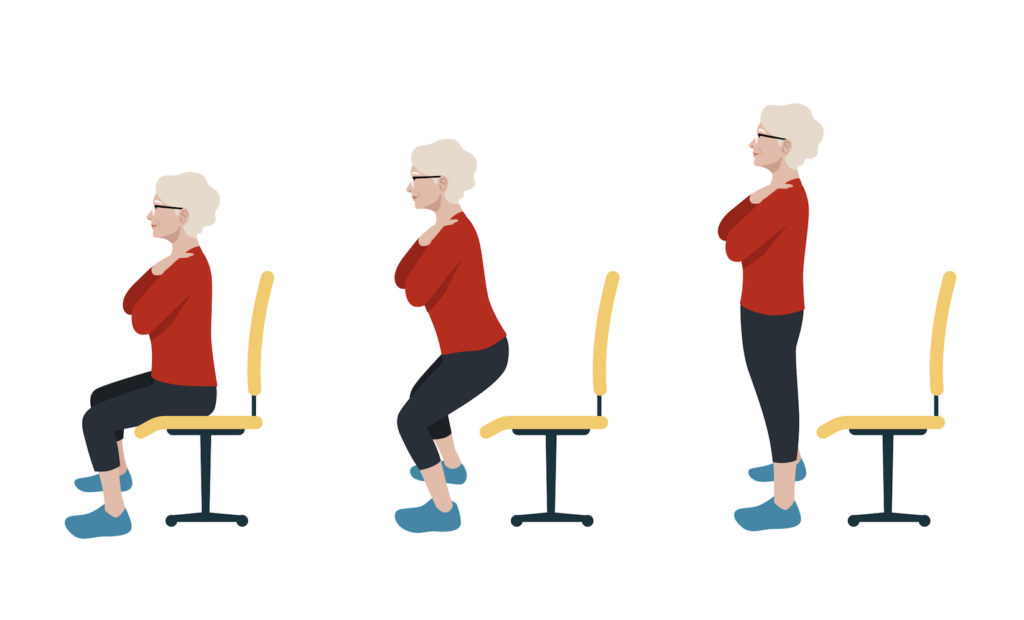
- Sit-to-Stand (6 reps) – Place your feet hip width apart and toes pointed straight ahead. Shift your weight forward (but keep your feet flat) and stand up. Use your hands at first if you need, or start by sitting on a higher chair, but the important part is getting your feet underneath you.
- Stand to slow sit (6 reps) – Stand in front of a chair and slowly lower to sitting to a count of four. You can use your hands to stand back up quickly, but keep the sitting part slow. Try not to “plop” into the chair.
- Staggered stance sit to stand (3 reps each leg) – While sitting, place one foot in front slightly in front of the other. Stand up using the rear leg.
Weekly Goal: Perform this squat program 3 times per week. Even better, make it a morning warm-up. If you are able to perform all of these squats without using your hands, just touching on it one time per week will help you maintain the move. That’s it.
Sit to stand is very trainable. You don’t need a gym. You don’t need equipment.
You just need to practice the movement itself.
Why does this matter?
This isn’t just about exercise, it’s about every day life. This one movement affects your ability to get out of a car, stand up from the toilet, rise from a couch and move safely and confidently. A few minutes a week can help maintain independence. Consistency matters more than intensity.
What’s Next
This was just the first movement. Next, we’ll look at something even more important—and more surprising: your ability to balance on one leg. Because if you can’t do it for even 10 seconds, your risk of falling goes way up.
If you stay consistent with this series, you won’t just learn about these movements—you’ll keep them. I’ll see you next week.
Because nobody has time to be in pain.
Until next time…
Kind Regards,
MoveWell Academy
[email protected]