All About You FRIDAY – The Power of One
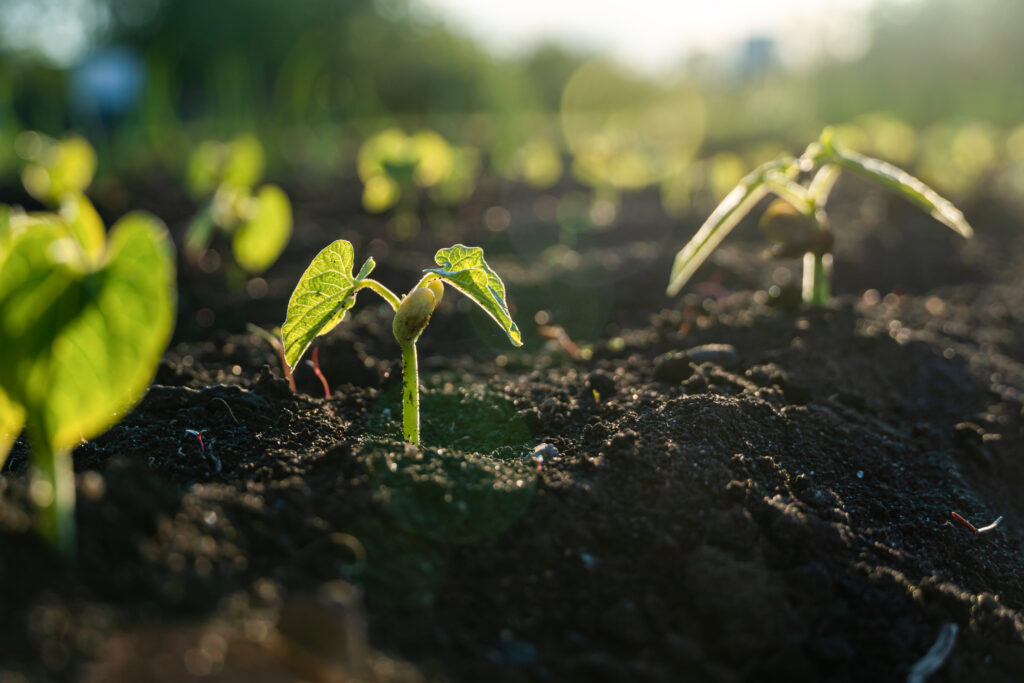
I never used to like to garden. I grew up helping my dad in the yard, but mostly I was the “heavy” moving rocks and digging holes. It wasn’t until a few years ago that I decided to plant some vegetables.
My first attempt was dismal. I planted some tomato plants in a corner of my yard. I watered and fertilized them. I waited for months before I began to see some fruit. And just as I anticipated harvesting a perfect ripe tomato, a random critter would feast on it before I got home from work. I think I harvested three tomatoes that year. I’m going to starve, I thought.
Then I discovered the beauty of raised garden beds. I started with one. Now I have five. I cannot even begin to describe to you the excitement I feel as I plant the seeds and watch them grow. This year, I planted carrots, spinach, salad greens, radishes and sugar snap peas in late spring. I’ve eaten the 10 radishes I planted, which didn’t take long, but the salad greens supplied me food for a couple of weeks. And the sugar snap peas are some of the best I’ve ever had.
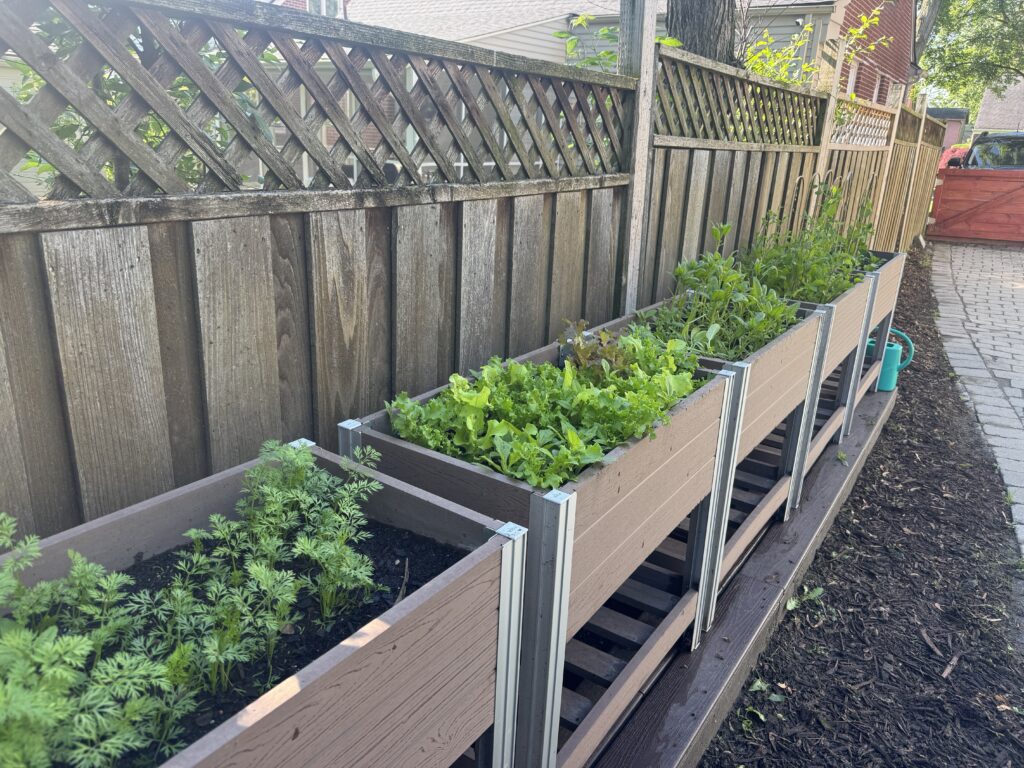
As the weather got warmer, I replanted some lettuce, radishes and spinach and added green beans and four heirloom tomato plants courtesy of a patient who is an expert gardener. I am patiently awaiting another opportunity to harvest.
My garden rewards my soul more often than it rewards my stomach. But I love it and the faster my life moves and the busier my days get, the more I appreciate the things I get to care for. To be patient for. To savor.
But this week’s story really isn’t about my garden. It’s about a garden with a story. Have you ever heard of the Marjorie Street Garden? Nestled on a plot of land on Detroit’s east side, it sits adjacent to the historic B’nai David Cemetery.
In the 1890’s, that area of the city was settled by Orthodox Jewish immigrants from Eastern Europe and the Russian Empire. Congregation B’nai David (originally Beth David) served Detroit’s growing Jewish community as it settled near the city center. As Detroit’s Jewish population moved northwest through the decades, the congregation moved with them. By the 1950’s, many members had relocated to northwest Detroit, Oak Park and Southfield, causing congregation membership to decline.
Today, one of the most tangible remnants of the congregation is the cemetery on Van Dyke Avenue. The B’nai David Cemetery is historically important, not because it contains famous figures, but because it preserves the stories of Detroit’s early Jewish immigrant community, most of whom were working-class immigrants, merchants, laborers, business owners and rabbi’s.
My friend David Goldman used to visit that cemetery as his wife’s great-grandmother, Esther Malka Shibovich, who died during the 1918 influenza pandemic, is buried there. For years, David visited the cemetery and watched it deteriorate. By the early 2010’s it was severely overgrown and neglected with grass obscuring many of the headstones.
He could have just shrugged his shoulders or silently lamented its demise. Instead, he began cleaning up the cemetery. He rolled up his sleeves, commandeered help of friends and family and for years…he took care of history. He eventually formed the nonprofit Friends of B’nai David Cemetery.
He could have stopped there. That would have been more than good enough. But adjacent to the cemetery were lots filled with abandoned cars, old tires and a lot of trash. He began to dream of a space that would connect people in the community. The Detroit Land Bank Authority sold him nine lots for $430 a piece with the understanding he would place a garden in that area.
After nine years of caring for the orphaned cemetery, David rolled up his sleeves again and began cleaning up the land he bought. The result: the Marjorie Street Garden. You can learn more about it here.
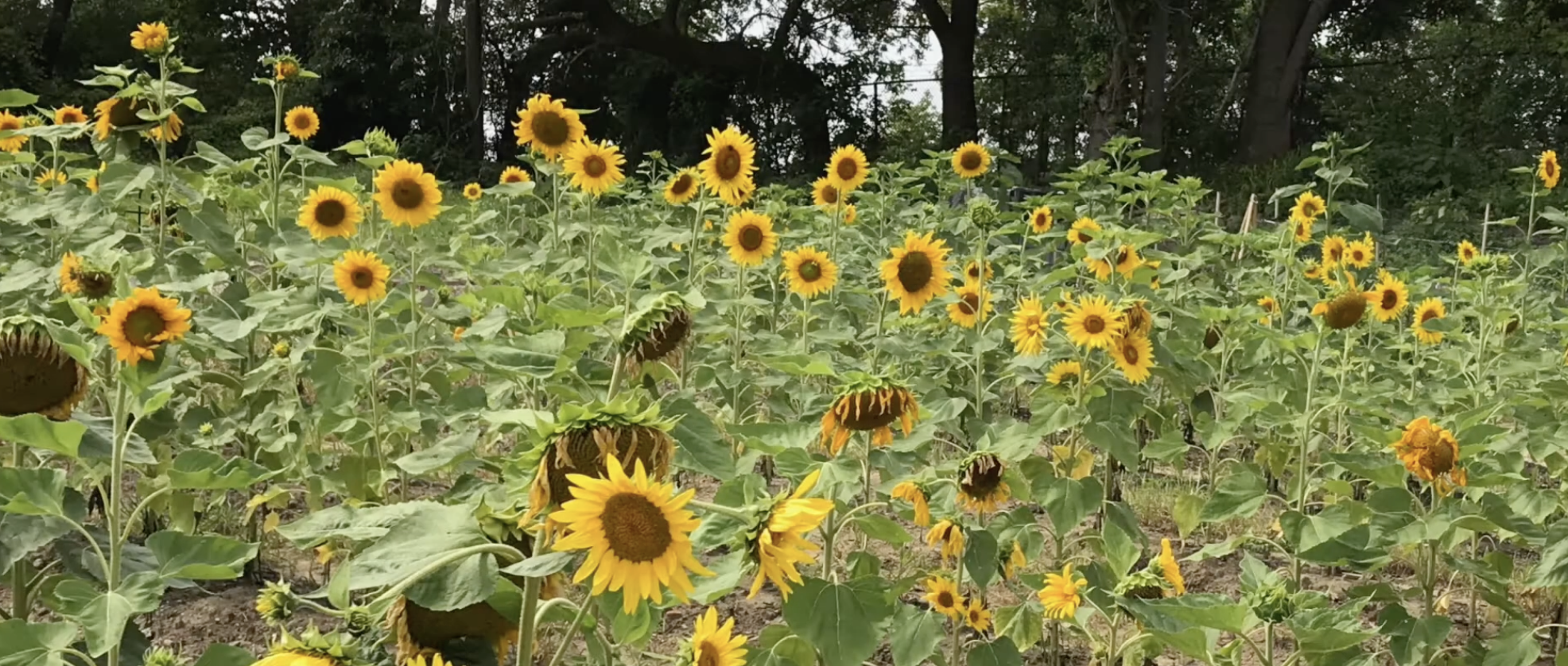
Though I’d heard about the garden a couple of years ago, I visited the garden for the first time last weekend. When I arrived, David greeted me, wearing his overalls and hat. “Hello!” he said with his arms open wide. “Want a tour?” I was in awe as I saw the rows of vegetables, flowers (yet to bloom) and pollinator beds with an ingenious irrigation system that waters the plants twice a day using a $13 timer and three large containers of water.
He pointed out the new fence he put in and the area where he tried to dig a well. He named all the plants as we walked by and told me stories of stray dogs and hungry ground hogs. His excitement was palpable. I could see why he enjoyed spending time here.
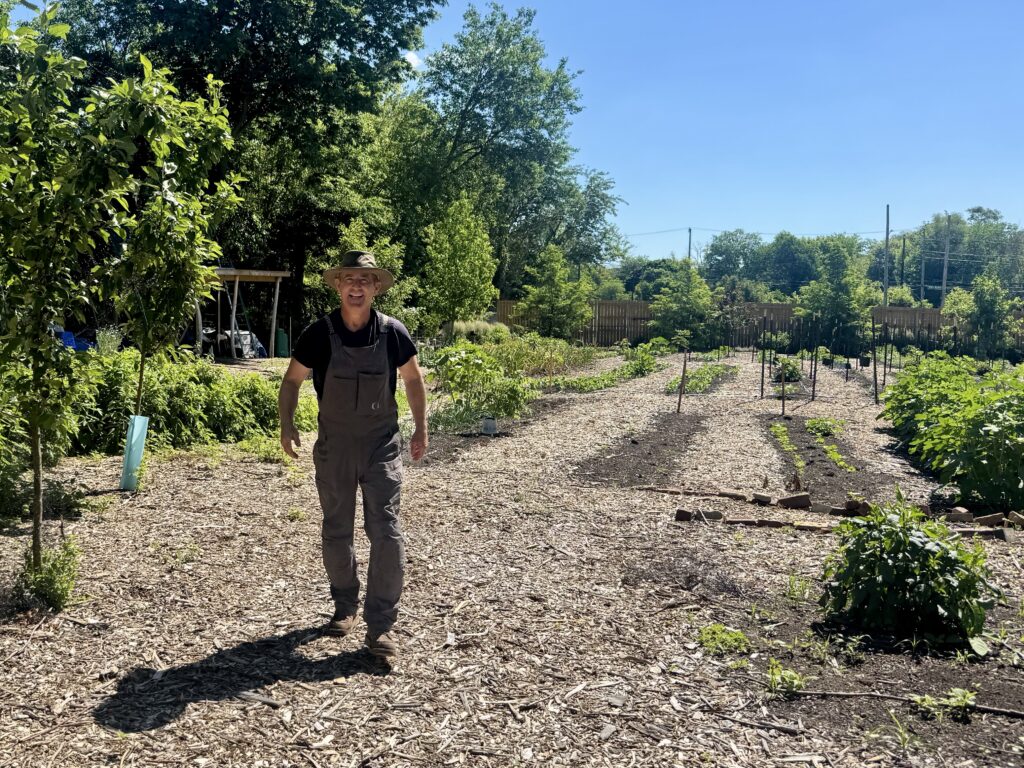
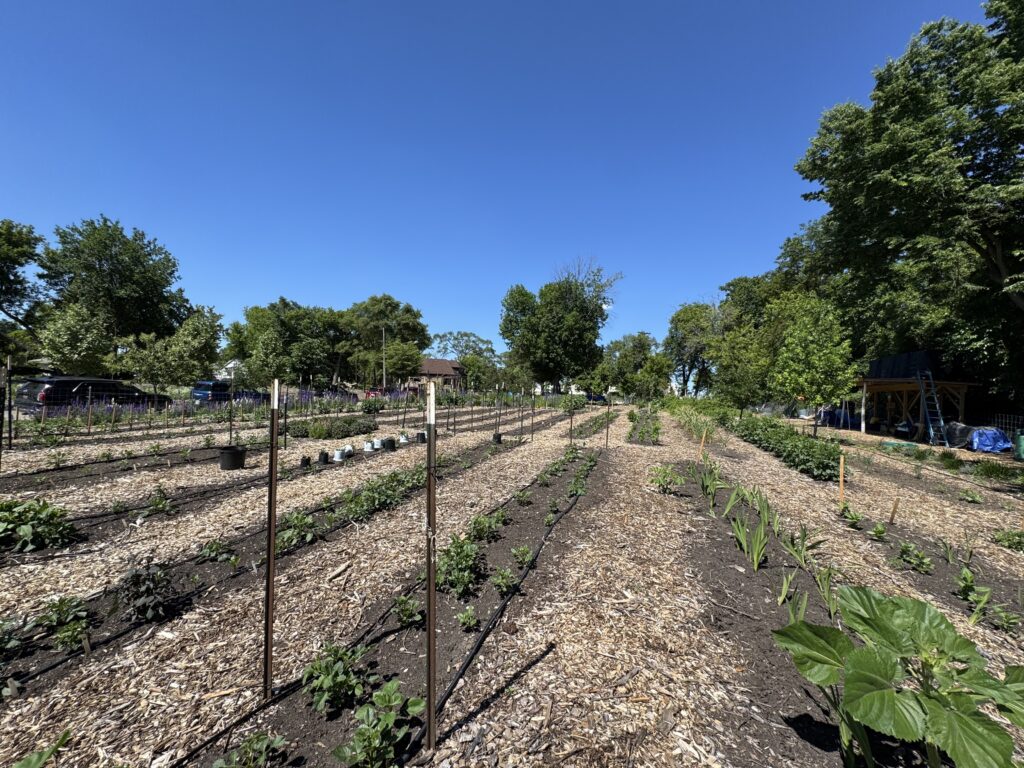
As I sat in a chair under the shade of a large tree, I felt my body exhale. In a couple of months, the flowers will be in full bloom and the community will be welcome to harvest what they need. “If you ever need flowers for your loved ones, come on by,” he said. I’m already planning on bringing some zinnias and dahlias home.
The power of one.
I know David. I know he would sheepishly wave off the praise and give credit to the others that have helped him. But I also know the blood, sweat and tears he has poured into making a forgotten corner of the city, a timeless treasure. A connection to the surrounding neighborhood. The old with the new. The living and the dead. The circle of life.
I hope you visit the Marjorie Street Garden and sit in the shade of the big tree. I hope you take a flower home for someone you love or get to taste some fresh veggies. I hope you get to hear stories of the people who used to live on that land. Most of all, I hope it inspires you to do something. If we all swept our own corner, this world would be a better place.
Thank you, David, for that reminder.
It’s been a long week. Don’t forget to celebrate.
Until next time…

Kind Regards,
MoveWell Academy
[email protected]