Kinesiology THURSDAY – Biomechanics of a Jammed Back
There are times when we treat patients in the clinic and they get up off the table and feel a different result than we expected. That happened this week.
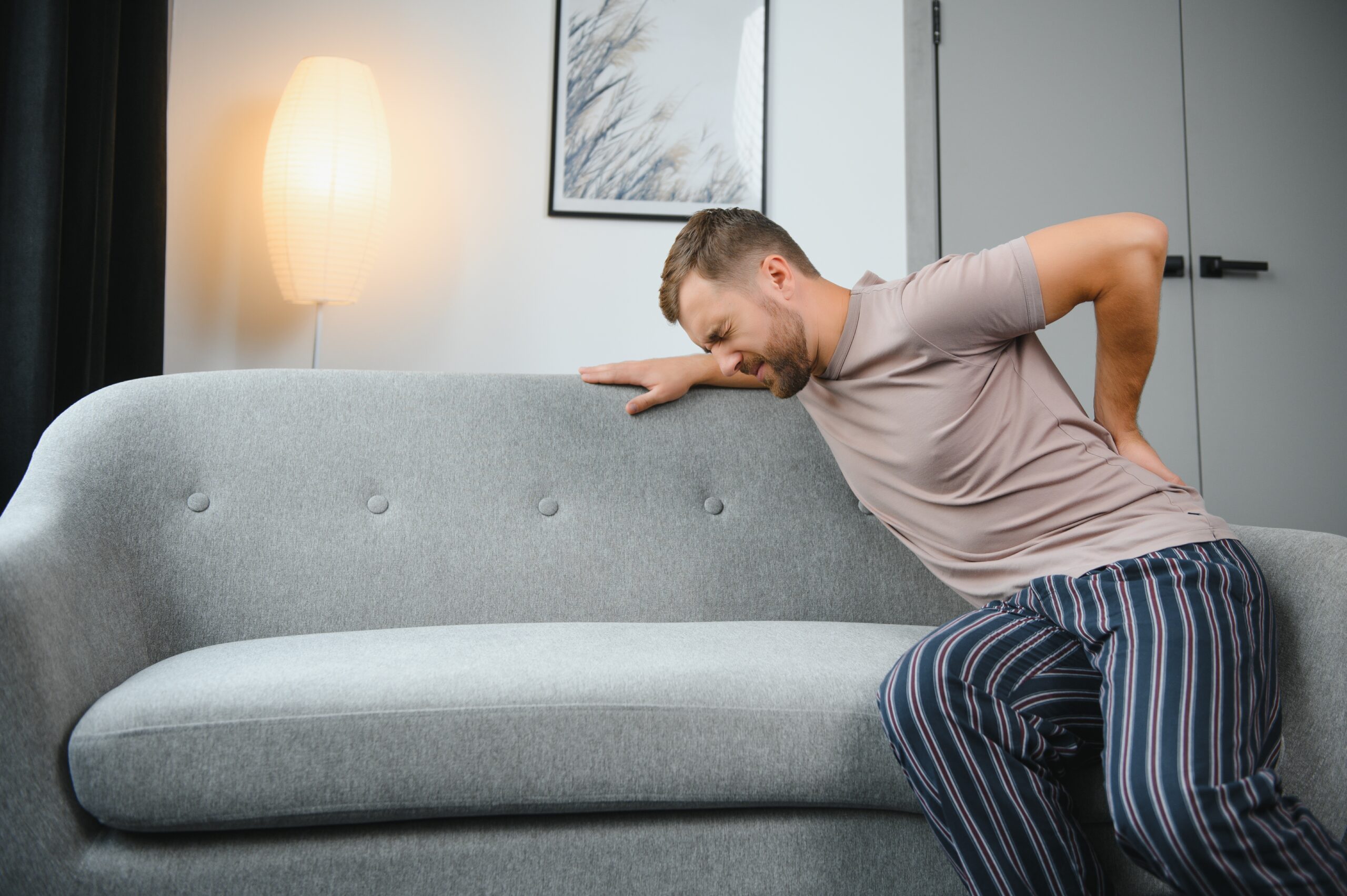
“My back has been hurting since Monday,” she said to me. “I can hardly move. It started once I got off the table.” I remember my staff putting ice on her and one asking if they could apply kinesiotape to her back.
In the busyness of Monday, I simply said yes. And now it was two days later and she was still suffering. I hate it when that happens.
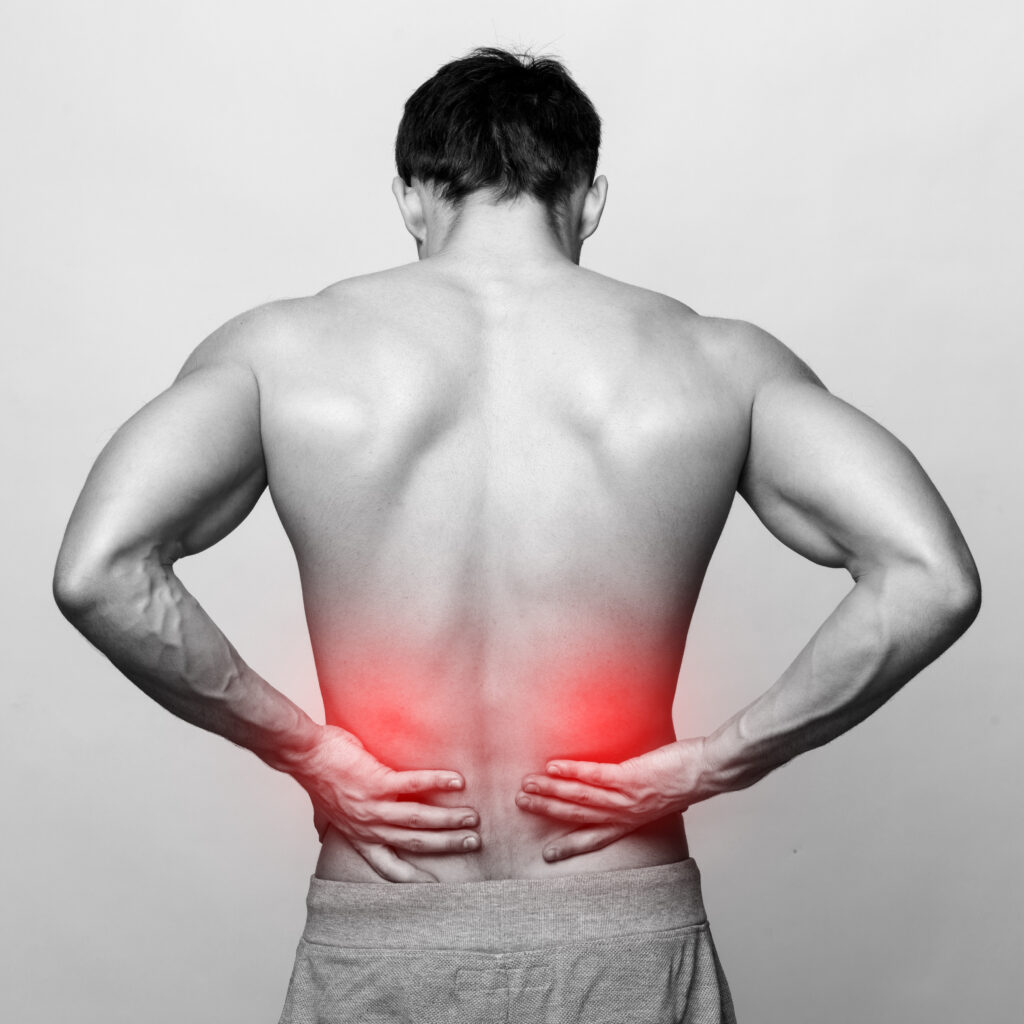
She described a diffuse pain across her lower back that made it hard to get up from a lying or prolonged sitting position. Rolling was difficult as was bridging. I immediately had a hunch that the problem was in one or both of these muscles:
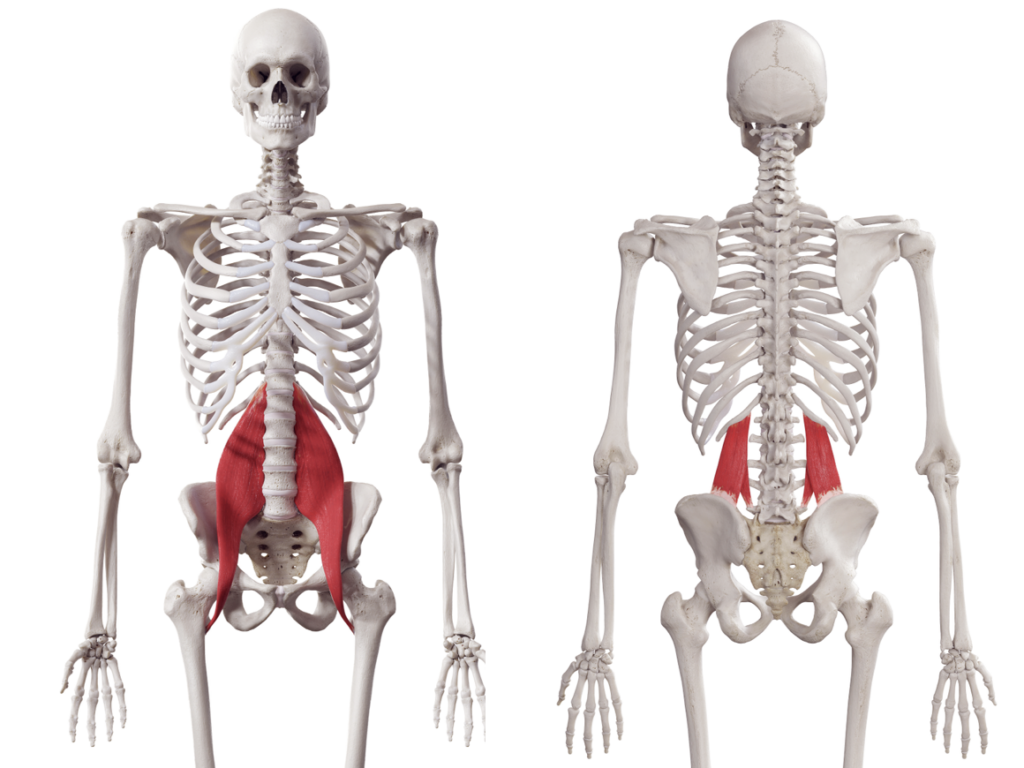
The psoas major and the quadratus lumborum. I’ve written about them before as they are often the hidden culprits of lower back pain. What do they have in common?
- They are both postural muscles which means they have a tendency to become tight
- If they develop trigger points, they will place an anterior shear force on the lumbar spine
- Trigger points in either muscle will inhibit the abdominal muscles, making it difficult to get up from a lying position
I palpated the quadratus lumborum (here’s how to find it) and just as I suspected, there were severe trigger points on both sides. The quadratus lumborum has three key trigger points: in the mid muscle belly, along the attachment at the 12th rib and along the iliac crest. Release of those trigger points alleviated her pain with transfers and bed mobility.
I palpated her psoas major and she had a trigger point on the left side. This was eliminated with a strong posterior pelvic tilt (6×6 second hold) and supine 90/90 hip rotation x 15 repetitions to activate her abdominal muscles in the sagittal and transverse plane respectively which inhibits psoas major.
“It’s magic!” she said. Not really, I thought. Just good kinesiology. I wish I would have taken the time to do that on Monday.
Why does this matter?
Rapid onset of pain is often due to a trigger point being activated or something being pinched. The solution is often simple if you can figure out what happened.
I suspect that as the patient was lying on the table supine for her treatment on Monday, her back was hyperextended and hips externally rotated. We have two types of bolsters at our clinic, some soft and some harder. The softer ones will allow someone with tightness in their hip external rotators and flexors to lie with their knees “falling out”. This is a position that naturally increases lumbar extension and may activate trigger points in the psoas major or quadratus lumborum. A harder bolster may have prevented that positioning.
In the case of a back “jam” that prevents someone from getting off a table or out of a chair, think of the psoas major and the quadratus lumborum and fix what you find.
Because nobody has time to be in pain.
Until next time…
Kind Regards,
MoveWell Academy
[email protected]