
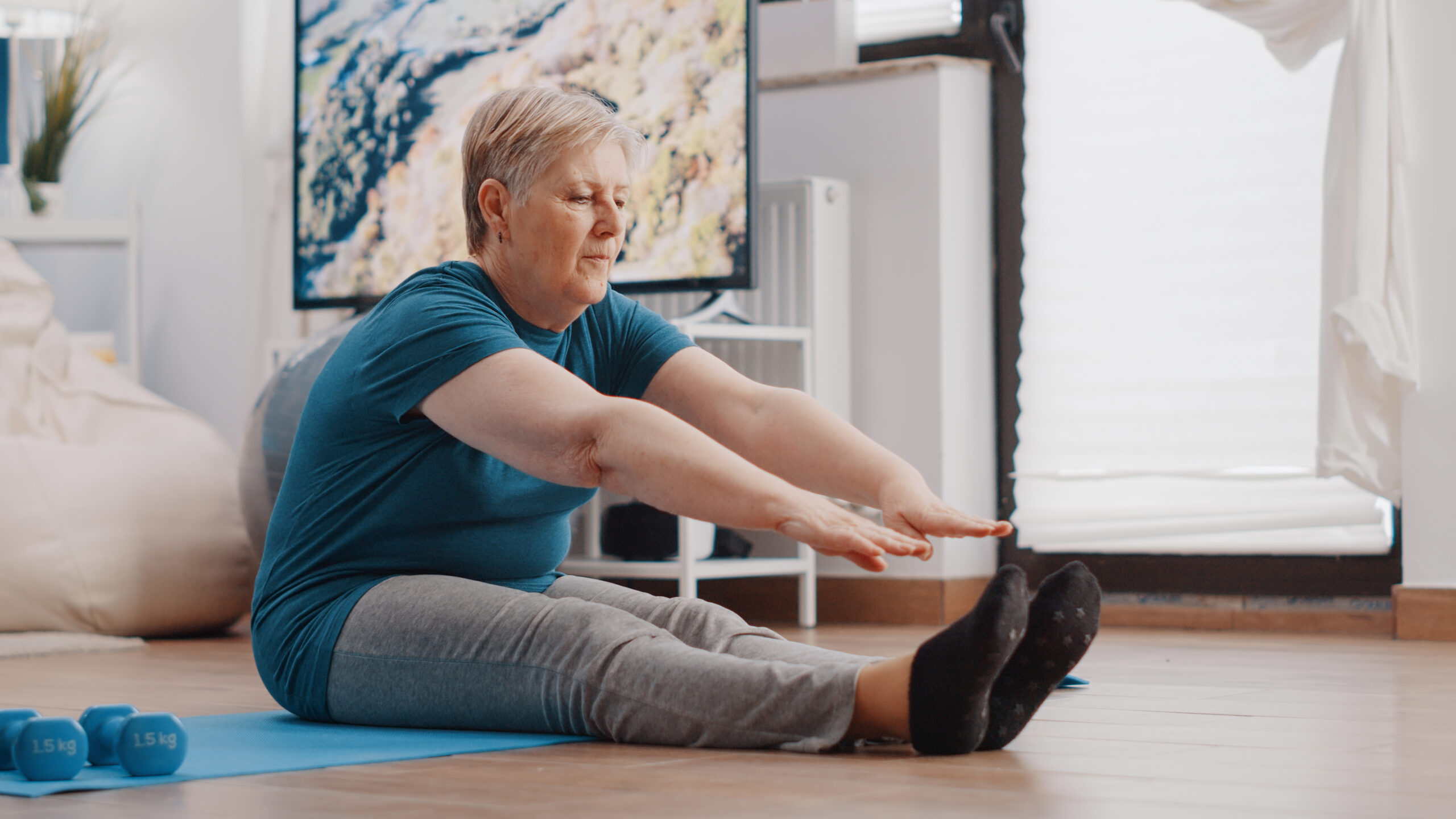
Anatomy TUESDAY – How Exercise Shapes Your Body – Stretching

Stretching is one of the most common forms of exercise—and one of the most misunderstood. For a long time, stretching seemed simple: hold a stretch, lengthen a muscle and improve flexibility. But that model is starting to break down.
New research is changing how we think about stretching—not as something that just “lengthens muscles,” but as something that affects fascia, the nervous system, and whole-body movement patterns. If you want to understand how exercise shapes your body, this is one of the most important places to start. Stretching doesn’t just affect muscles. It affects fascia, tendons, joint structures, the nervous system and proprioception (how the body perceives movement). Understanding these tissue-level effects changes how we think about mobility, flexibility, and movement quality.
Stretching Is a Mechanical and Neurological Signal
When you stretch, your body experiences mechanical tension, changes in tissue pressure and nervous system input about position and safety. Your body responds by asking, “Is this range of motion safe and useful?” The answer determines whether your body allows more movement—or resists it. This is why flexibility isn’t just about tissue length.
It’s also about tissue tolerance and nervous system control.
MUSCLE
Muscles do experience tension during stretching, but research suggests long-term increases in flexibility are not always due to muscles physically becoming much longer. Instead, the nervous system becomes more comfortable allowing deeper range of motion.
In other words, your body learns the position is safe and protective tension decreases over time. Stretching often changes how your body responds to movement more than the structure of the muscle itself.
FASCIA
Fascia is the connective tissue that surrounds and links muscles throughout the body. Recent research suggests stretching can reduce fascial stiffness and improve tissue glide between layers. This is one reason why whole-body stretching movements often feel more effective than isolated stretches. Mobility improvements can affect multiple regions at once and stretching practices, like yoga and Foundation Training may influence the body’s connective tissue network—not just individual muscles.
TENDONS
Tendons connect muscle to bone and help transfer force. Gentle, consistent stretching may improve tendon flexibility, increase tolerance to tensile load and reduce excessive stiffness in some tissues.
But tendons respond slowly. Aggressive stretching can overload connective tissue especially if the body is fatigued. Tendons prefer gradual adaptation, not rapid force.
JOINTS AND CARTILAGE
Movement through range helps circulate the synovial fluid inside a joint. This provides nourishment to the cartilage and helps maintain joint mobility. As cartilage has a limited direct blood supply, gentle movements help “feed” the joint tissue.
NERVOUS SYSTEM
One of the biggest discoveries in modern mobility science is that flexibility is heavily controlled by the nervous system. Your brain constantly monitors joint position, tissue tension, stability and perceived threat.
If a position feels unsafe, muscles will reflexively tighten and range of motion decreases. With consistent stretching and mobility work, the nervous system becomes more tolerant and “smarter”. Movements become smoother and less guarded. Many flexibility gains are actually neurological adaptation.
TYPES OF STRETCHING
Static Stretching (Holding a position) is best for relaxation, increasing passive range of motion and temporarily reducing tissue stiffness. Example: seated hamstring stretch held for 30 seconds.
Dynamic Stretching (Moving through range repeatedly) is best for warm-ups, nervous system activation and movement preparation. Example: arm circles and leg swings.
Loaded Stretching (Stretching under tension) is best for combining strength and mobility and facilitating connective tissue adaptation. Example: deep squats, slow Romanian deadlifts, split squats.
Active Mobility (Controlled movement at end range) is best for nervous system control, usable flexibility, joints stability. Example: yoga vinyasas, Foundation Training, tai chi
Real World Application (5–10 minutes)
- Daily incorporate 5-10 minutes of dynamic stretching or movement
- 2-3 times per week, perform static stretching after exercise, holding stretches for 30-60 seconds
- 1-2 times per week, perform loaded mobility work
Why does this matter?
Stretching isn’t just about making muscles longer. It’s about influencing muscle tension, fascial stiffness, joint movement and nervous system control. If you want healthier movement and better mobility, move regularly, not just intensely. Combine stretching with strength work. Use controlled movement, not force, and focus on consistency over extreme range.
A few minutes daily is often more effective than occasional aggressive stretching sessions and over time, those changes determine how well your body moves, adapts and stays resilient. Mobility isn’t something you just have, it is something your body learns continuously. Teach your body a mobility lesson every day.
Because nobody has time to be in pain.
Until next time…

Kind Regards,
MoveWell Academy
[email protected]