
Kinesiology THURSDAY – ITB Friction Syndrome

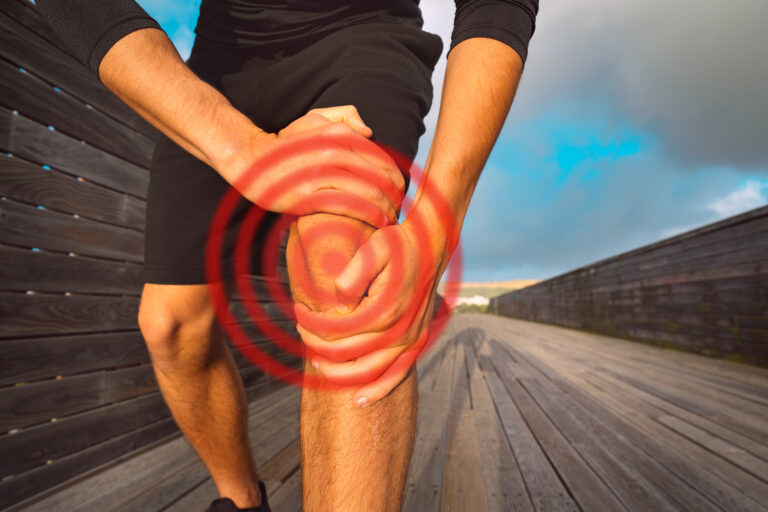
There is no shortage of information on the internet about this overuse injury that plagues a large number of athletes, with some studies stating this makes up 20% of all lower extremity injuries. The solution lies in understanding what this structure is designed to do…and what it’s not. Let’s dive in…
The ITB originates from the tensor fascia latae and extends to Gerdy’s tubercle on the lateral proximal tibia. The gluteus maximus attaches to the posterior aspect of the ITB. It’s interesting that the TFL is an internal rotator of the hip and the gluteus maximus is an external rotator of the hip, but both of these muscles become lateral stabilizers of the knee due to their attachment into the ITB.
The ITB’s job: When your foot hits the ground, the initial point of contact is your lateral heel. This allows for force to be dissipated as you pronate and the weight bearing line moves towards your big toe. Your body is designed to take on this weight transfer from lateral to medial. Observe how everything on the inside of your knee is a bit thicker than the outside: MCL, medial meniscus, the pes anserine tendon (verses the lateral counter parts). And the ITB isn’t any different. It is a long structure, but at the knee it isn’t that big and that’s because it is designed to prevent excessive lateral movement of the knee at heel strike and then it’s job should be over as you pronate and head towards pushing off your big toe.
When things go wrong…It isn’t shocking that we see ITB friction syndrome a lot in long distance runners and usually on the left knee. This is because most runners run against the flow of traffic, causing their left leg to be in a “ditch” due to the crowned road. The left leg always feels a little short, resulting in compensatory supination of the left subtalar joint which causes prolonged lateral knee stress. If you don’t pronate, the ITB takes a hit. This problem can be compounded with motion control shoes.
So anything that causes over supination can predispose someone to this problem?Yes.
- A pelvis that is rotated towards a limb (try a one-sided glute squeeze in standing because the pelvis usually rotates towards the glute that can’t do this)
- A subtalar joint that won’t evert (common if someone has a history of a lower extremity injury or surgery)
- Tight lateral hamstrings (will prevent internal rotation of the lower leg)
- A leg that feels too short (trigger points in the psoas major or quadratus lumborum can cause this)
- A posteriorly rotated innominate (causes a leg to function short)
So how do you fix it? (here’s some ideas from us)
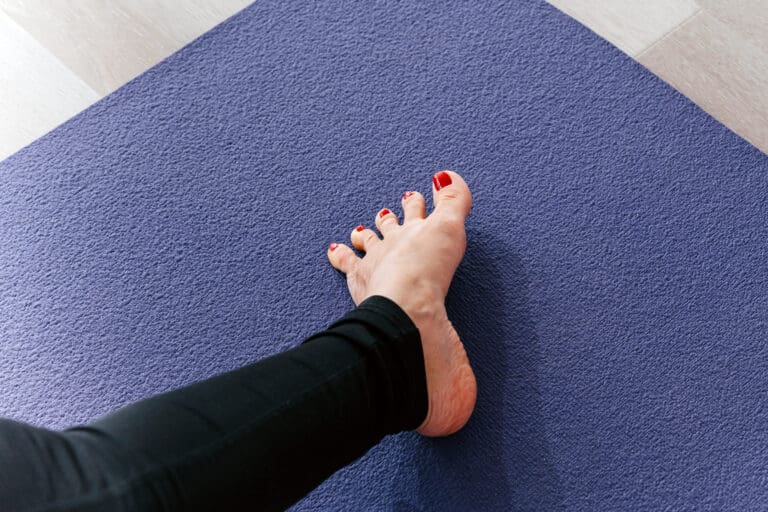
- Re-teach the limb to pronate. Test for the things above and fix what you find
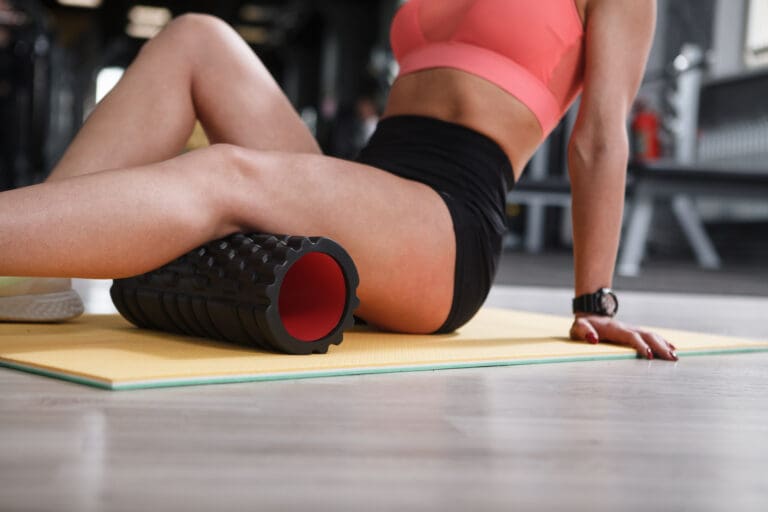
- Foam roll. This is what a lot of people say to do. And it can work, but is it because the ITB is tight? No. It’s because there are trigger points in the muscle underneath the ITB, the vastus lateralis (VL), and if the VL is tight, it will prevent internal rotation of the femur via its attachment to the lateral patella.
- Wear a shoe that allows your foot to move. Too much support may predispose an already over supinated limb to this problem.
Conventional thinking says: The ITB is irritated because it is tight and rubbing on the lateral femoral condyle.
Real World Thinking says: The ITB is irritated because it is long, weak and overworked from over supination. Find the culprit and re-teach the limb to pronate.
Because nobody has time to be in pain.
Until next time…

Let me help you solve your problem
Earn some CEU’s
Kind Regards,
MoveWell Academy
[email protected]