
Kinesiology THURSDAY – Foam Roll Shoulder Flexion (Why Did That Work?!)
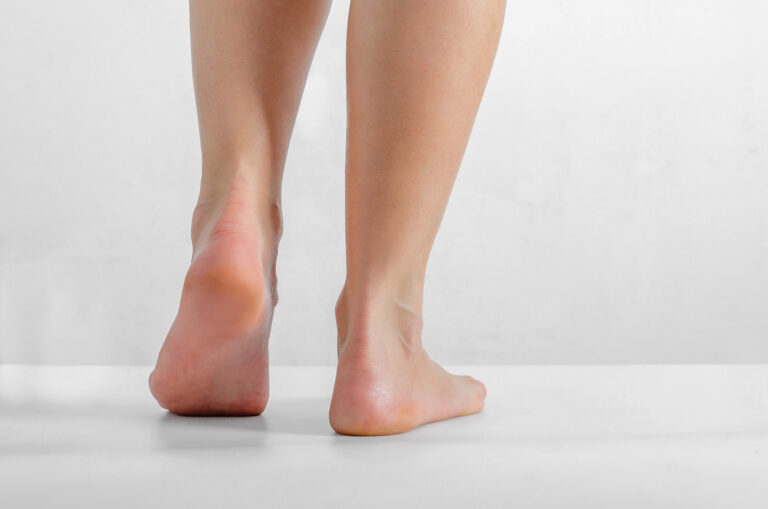
There are a few exercises in my arsenal that I consider “quick fixes” for common biomechanical issues. At the root of many overuse injuries is a rotated pelvis, a pelvis that is turned either right or left in standing or supine. The picture below is a pelvis rotated to the left.

Here’s a quick test I use to determine if (and which way) a pelvis is rotated:
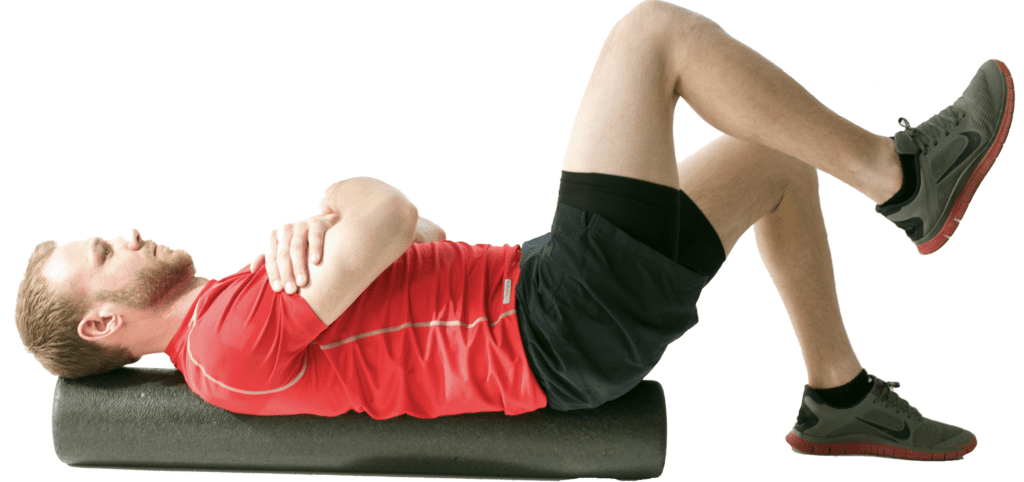
Supine Foam Roll Balance: Lie on a foam roll with your feet hip to shoulder width apart. Cross your arms slightly on your chest and then pick up one leg like you are marching. Hold for 3 seconds. Repeat on the other side. Was it harder to balance on one leg than the other?
If you had a harder time picking up your left leg, then your pelvis is rotated to the left. If you had a harder time picking up your right leg, then your pelvis is rotated to the right.
Here is one of the quick fixes I use:
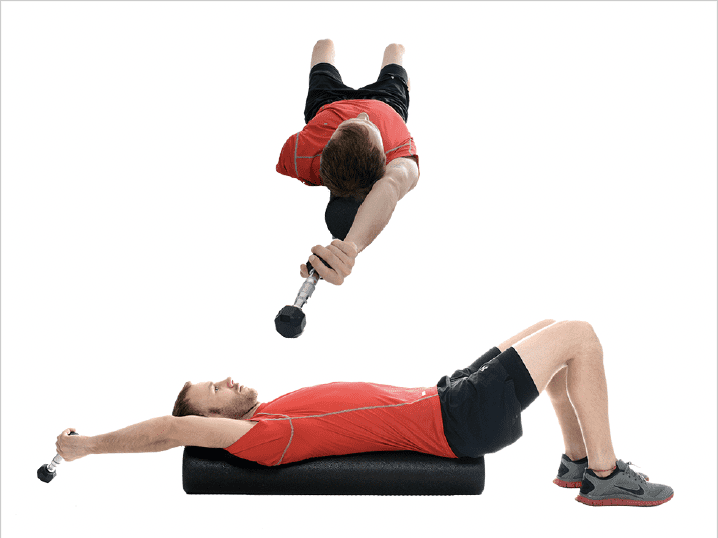
Supine Alternating Shoulder Flexion: Lie on your back on a foam roll holding a 3# weight in each hand. Press them up towards the ceiling and the alternately lower one dumbbell to the floor and then the other. Make sure your arm grazes your ear. Perform 10 repetitions. Then re-test your supine foam roll balance. You just might be surprised to find out your pelvis is now level.
Why did that work?!
This exercise stretches the latissimus dorsi (or the lats).
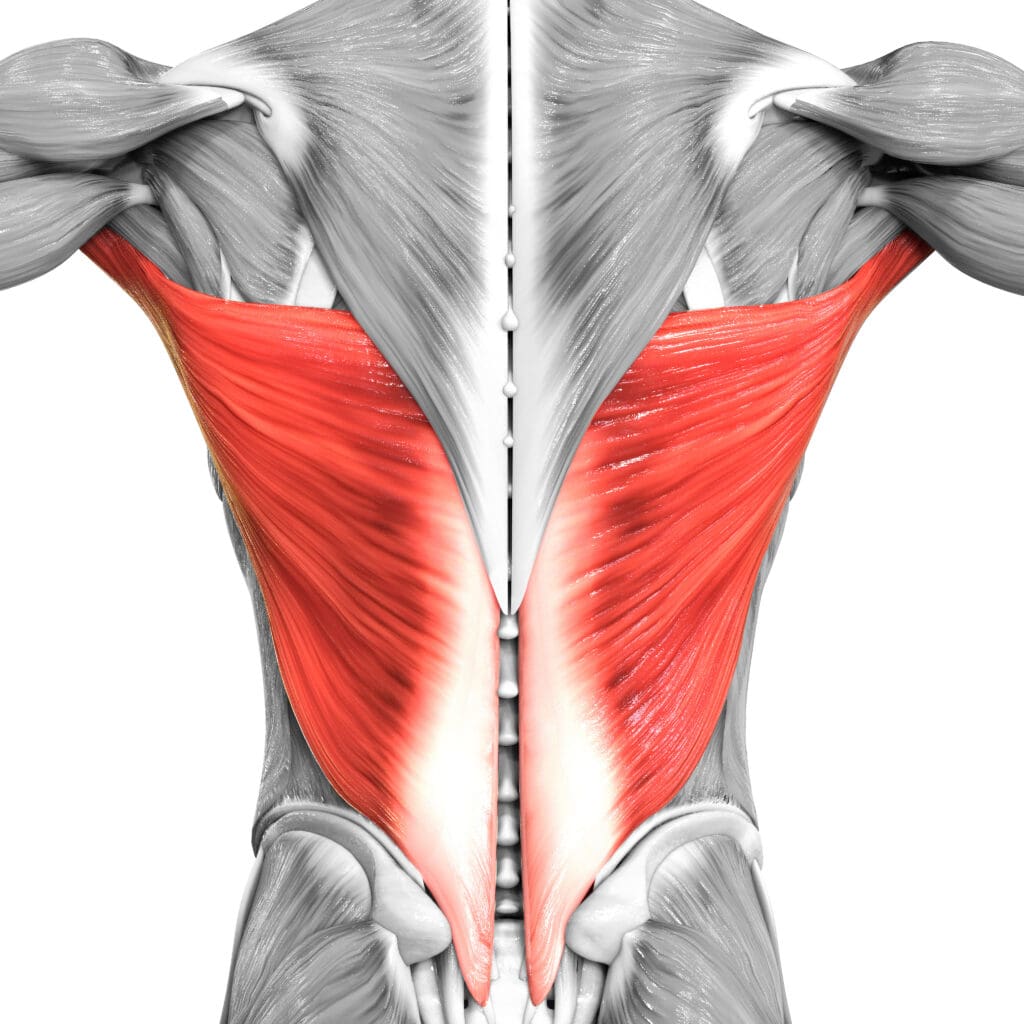
Though the lats are often thought to extend, adduct and internally rotate the shoulder, the attachment at the thoracolumbar fascia and iliac crest (pelvis) also creates extension of the lumbar spine and an anterior pelvic tilt. If the latissimus dorsi is tight one one side, the pelvis will orient in rotation to that side.
Why does this matter?
A pelvis rotated to one side creates scenarios that lie at the root cause of lower back, knee, shoulder and foot/ankle pain.
- A left rotated pelvis will cause the left foot to over supinate and the right foot to over pronate
- A left rotated pelvis will cause over tightening of the left psoas major
- A tight left psoas major may result in a functional leg length discrepancy (makes the leg feel shorter)
- A left rotate pelvis may cause the right knee to fall in, resulting in overuse patellofemoral pain and meniscal injury
- A rotated pelvis places constant pressure on the sacroiliac joints, a common source of lower back pain
And the list goes on. So do this quick test and try this quick fix. Stay tuned for another pelvic rotation quick-fix next week.
Because nobody has time to be in pain.
Until next time…

Kind Regards,
MoveWell Academy
[email protected]