Kinesiology THURSDAY – Lauren’s Fat Knees
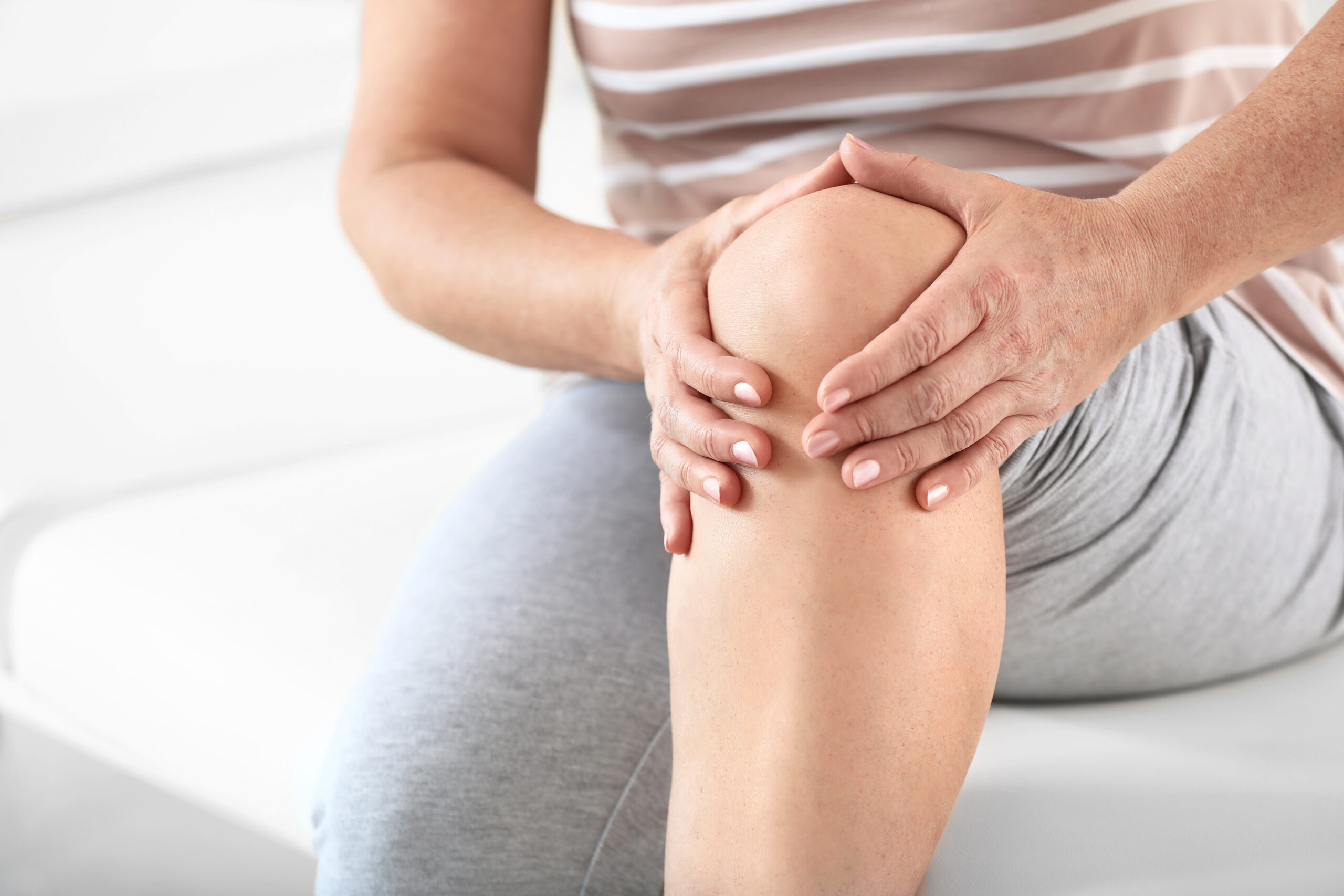
“My knees feel fat inside,” she said to me as she described a feeling of intense pressure that was limiting her end range knee flexion. She first noticed the pain in her right knee three months ago in a Pilates class and now the pain is in both knees. She is unable to kneel and feels stiffness and pain when standing from a prolonged seated position. She feared arthritis was setting in.
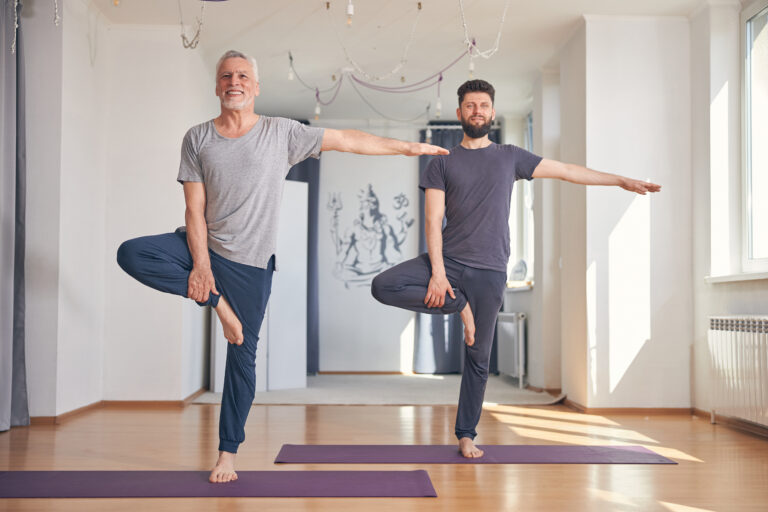
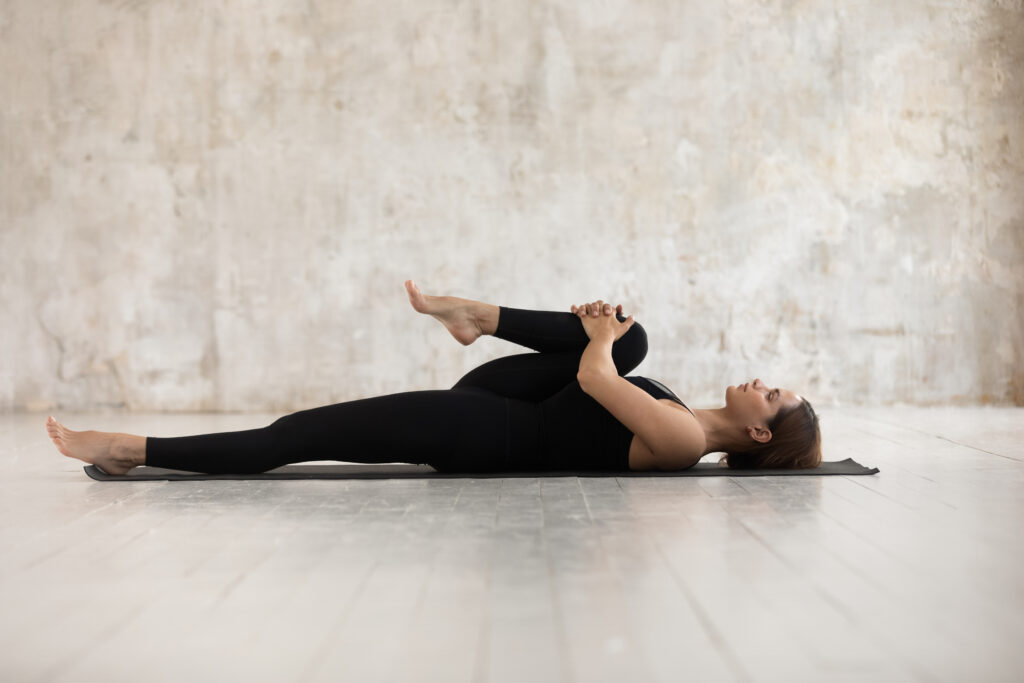
Normal knee ROM is 120˚-150˚ (the picture above demonstrates the higher end of the range) and should have a soft tissue endfeel. You should be able to bend your knee and “bounce” on it without any discomfort. The feeling of pressure inside usually denotes internal swelling, a sign of inflammation or internal derangement of the knee. (That is a term used to describe when structures of the knee joint are damaged or displaced, such as a meniscal tear).

I confirmed what she was saying by flexing her knee and “bouncing” in end range by applying over pressure. She felt immediate pain.
Here is what I did:
- Corrected pelvic alignment
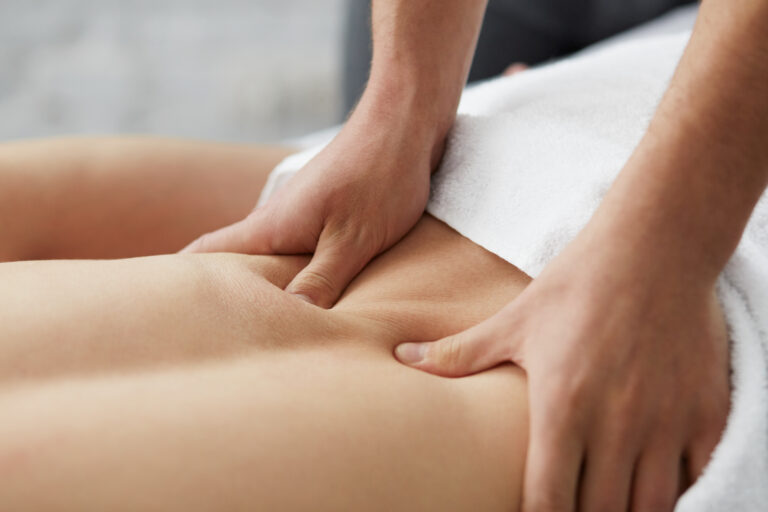
- Palpated for trigger points in the lower leg. Severe trigger points were found in: tibialis posterior, tibialis anterior and medial gastrocnemius (the latter of which was most severe).
- Mobilized the subtalar joint to improve eversion
I re-checked knee flexion ROM with overpressure and the pain was gone.
“So, it isn’t arthritis?” she asked with a surprised look on her face.
“Doesn’t seem to be,” I replied.
Why did that work?
Knee flexion is a component of pronation of the limb. When your foot hits the ground, your subtalar joint everts causing the tibia to internally rotate, followed in quick succession by your femur moving into internal rotation at the hip. If one of these motions is missing, an abnormal rotational scenario of the knee occurs, a common cause of “internal derangement” of the knee.
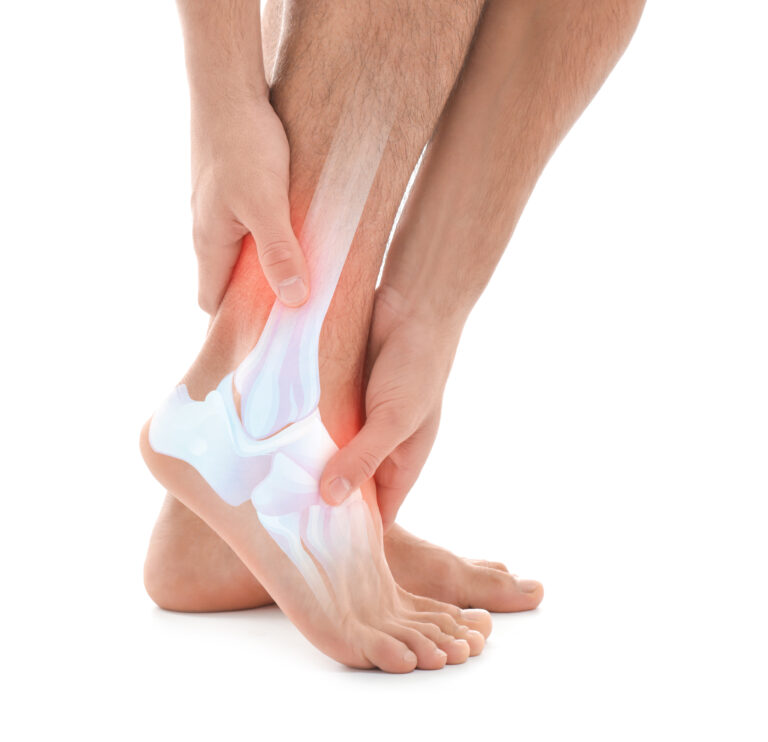
In this case, the trigger point pattern revealed her ankle was staying in supination, which means the tibia was NOT internally rotating. (Tibialis anterior/posterior and medial gastroc are all supinators of the ankle). Releasing the medial gastrocnemius and tibialis anterior/posterior, allowed for a more neutral position of the tibia and pain-free end range flexion. This is a case where eliminating knee pain did not require touching the knee.
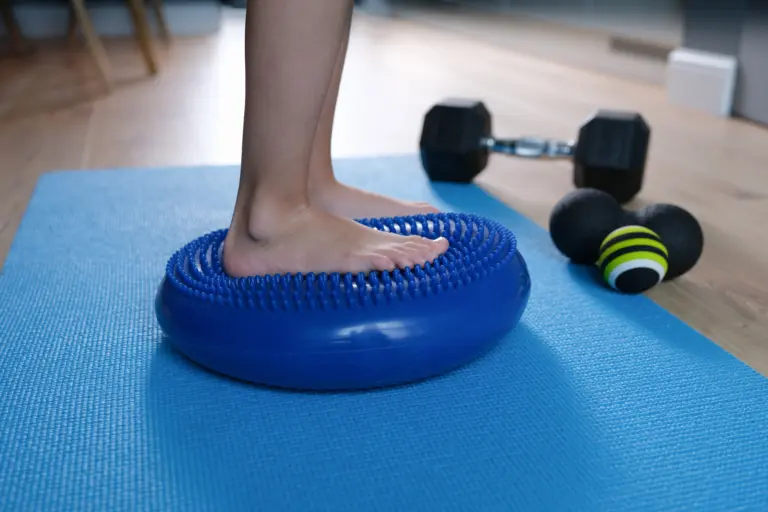
In cases like this, exercises should be prescribed to promote ankle eversion, like standing pronation, carioca walking and heel-toe walking on a line.
Why does this matter?
Often we are satisfied if a patient achieves 120˚ of knee flexion. This is the amount of range you need to descend stairs and put your pants on standing up. It is acceptable functional range of motion. However, your knee was designed to give you more than that AND, more importantly, the end range should be soft and pain-free.
Next time you have a patient complaining of internal knee pain, test the endfeel with some over pressure. If the knee cries out in pain, listen to it with your ears and then take your eyeballs and look to the ankle.
Because nobody has time to be in pain.
Until next time…

Kind Regards,
MoveWell Academy
[email protected]