Kinesiology THURSDAY – Napheesa Collier’s Right Ankle
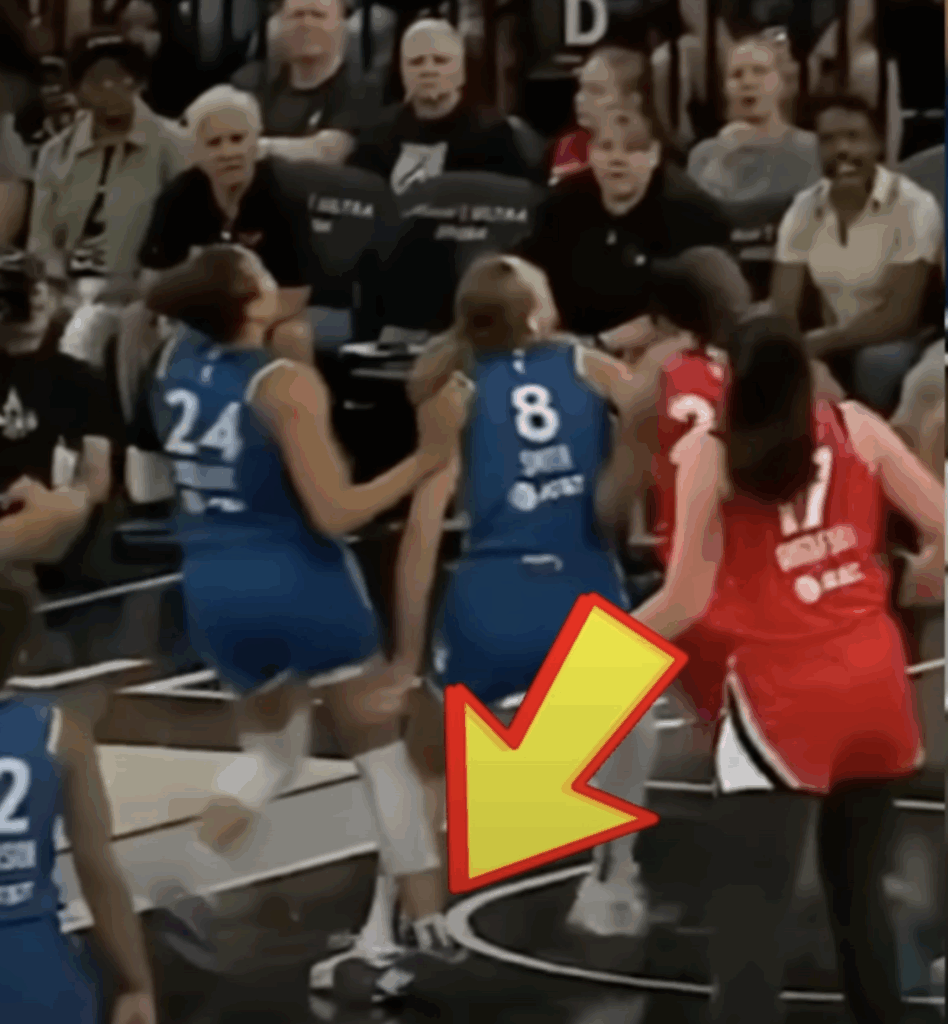
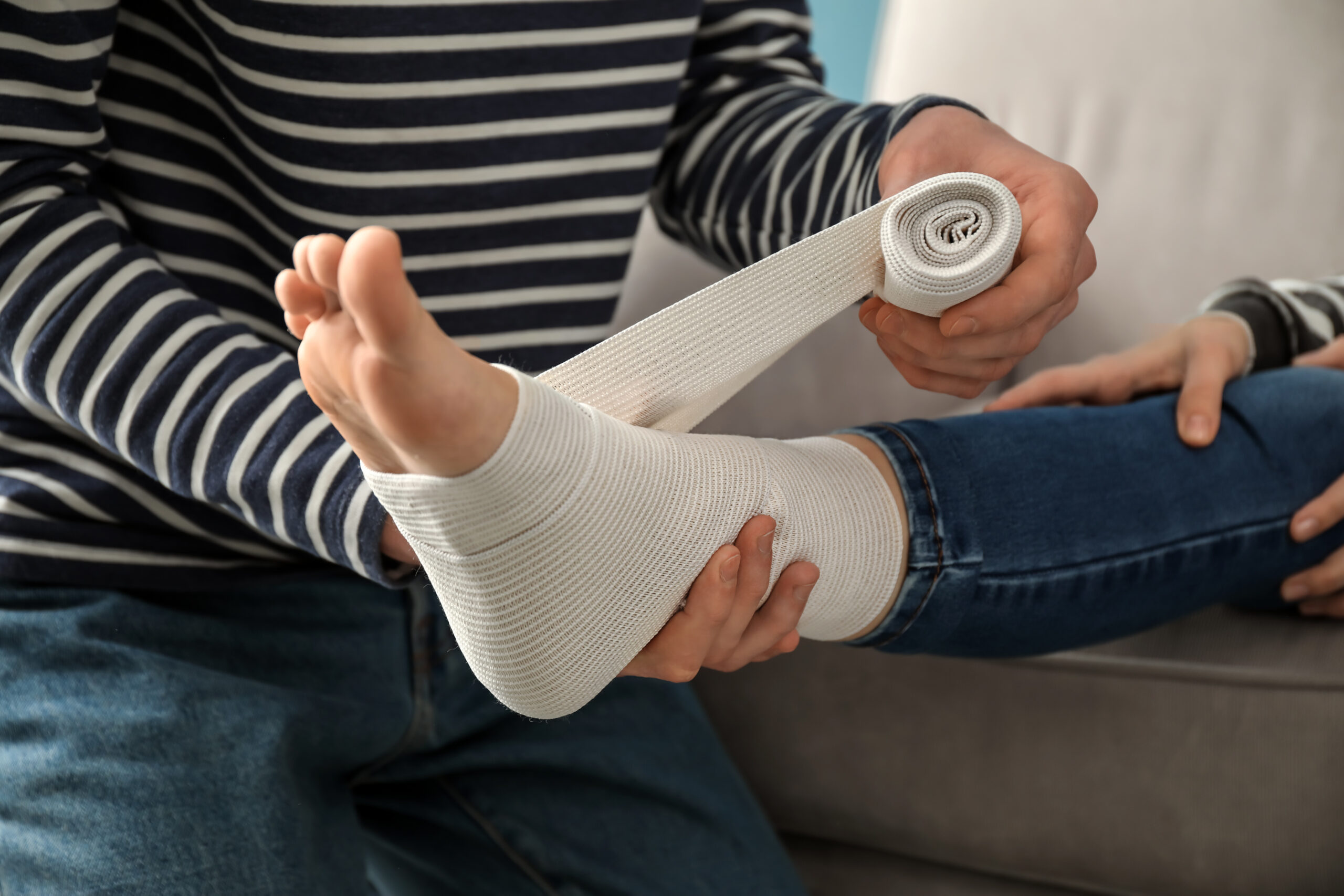
Minnesota Lynx star and WNBA MVP frontrunner, Napheesa Colliers sustained a severe ankle sprain injury on August 2 when she jumped up and landed next to her teammates foot. A plantarflexion/inversion ankle sprain, the most common injury in sports, due in part to the fact that up to 70% of individuals experiencing an ankle sprain will have a recurrence of the injury.
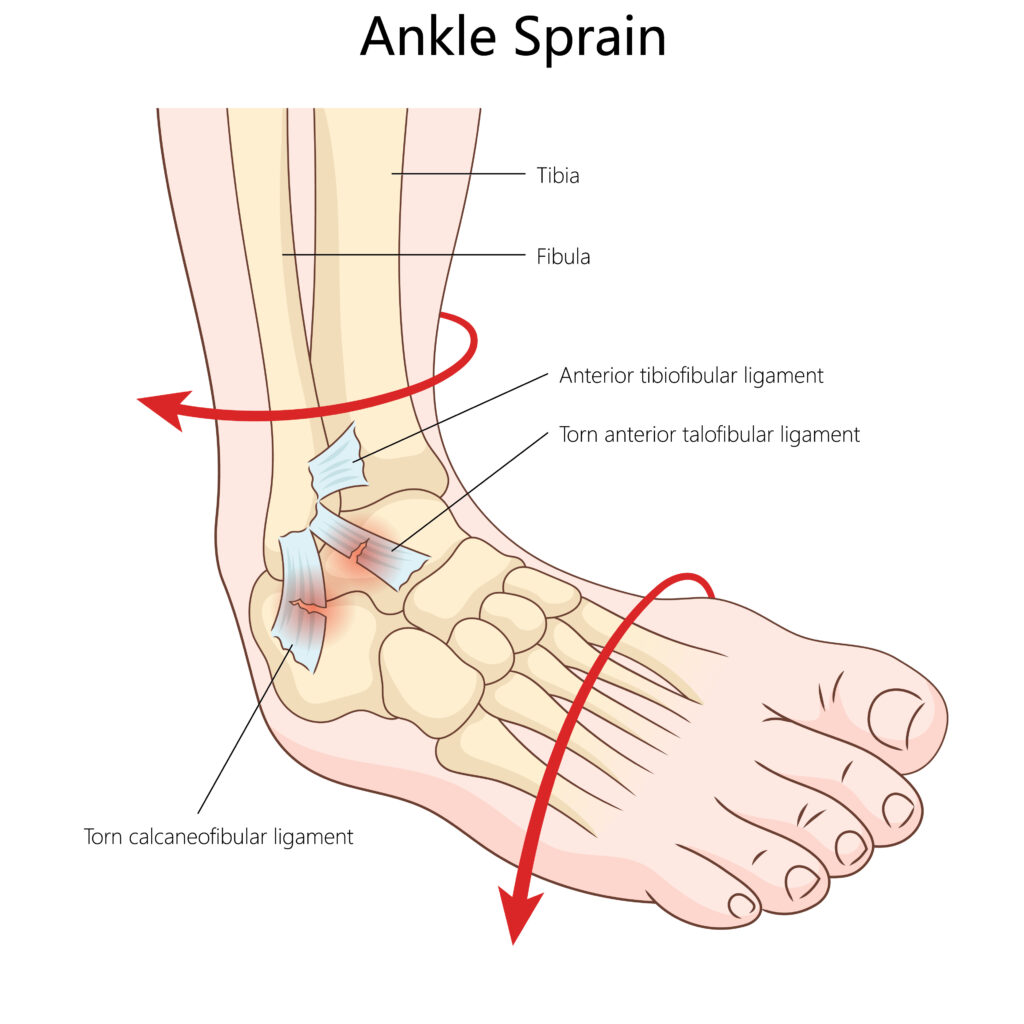
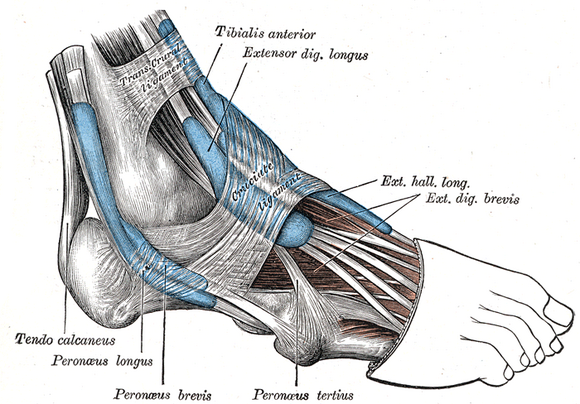
The most commonly torn ligament is the anterior talofibular followed by the calcaneofibular. This occurs when the motion supercedes the strength of peroneus longus and brevis to decelerate the inversion force.
Time is what heals ankle sprains, but a knowledge of good biomechanics can speed up recovery and more importantly prevent further ankle injury. Here are some things to ponder about lateral ankle sprains:
- After injury, people often lack dorsiflexion and eversion. Long after the pain is gone, these limitations persist unless addressed with manual therapy and exercise.
- Posterior/superior fibular head subluxation is common. The bowstring effect of the peroneus longus and brevis during rapid deceleration of an inversion ankle sprain pushes the distal fibula anterior and the proximal fibula posterior/superior.
- A posterior/superior fibular head subluxation results in chronic shortening of the bicep femoris (lateral hamstring).
- Inhibition of the gluteus medius is common following lateral ankle sprain. The first muscle to shut down after an ankle sprain isn’t an ankle muscle, it’s a hip muscle.
What would I do?
- Correct pelvic alignment. A pelvic rotation may cause the ipsilateral foot to over supinate (ex: left pelvic rotation causes left foot supination). A posteriorly rotated innominate creates a functionally shorter leg, which will also cause over supination.
- Mobilize the subtalar joint to improve eversion
- Prescribe gravity drop and revolving triangle to address dorsiflexion limitation and shortening of the bicep femoris
- Strengthen gluteus medius
- Check for trigger points in the tibialis posterior, tibialis anterior and flexor hallucis longus as these will cause over supination
A lateral ankle sprain doesn’t have to be a recurring problem. Maybe this helps Napheesa Collier make it to the playoffs, but I hope it helps some of you too. The key to fixing a lateral ankle sprain is to take your ears and listen to the ankle, but then take your eyes and look somewhere else. Here’s a link to our Wipe Out Ankle Sprain exercises if you’re interested.
Because nobody has time to be in pain.
Until next time…

Kind Regards,
MoveWell Academy
[email protected]