
Kinesiology THURSDAY – Romanian Deadlift Wide or Narrow
The Romanian Deadlift (RDL) is one of the most popular exercises for strengthening the gluteals and hamstrings. For this week’s This or That? I wanted to examine the difference between narrow stance and wide stance RDL’s. Let’s get started.
Variation #1 – Wide Stance RDL
Here is the video on how to perform a dumbbell variation of the wide stance RDL.
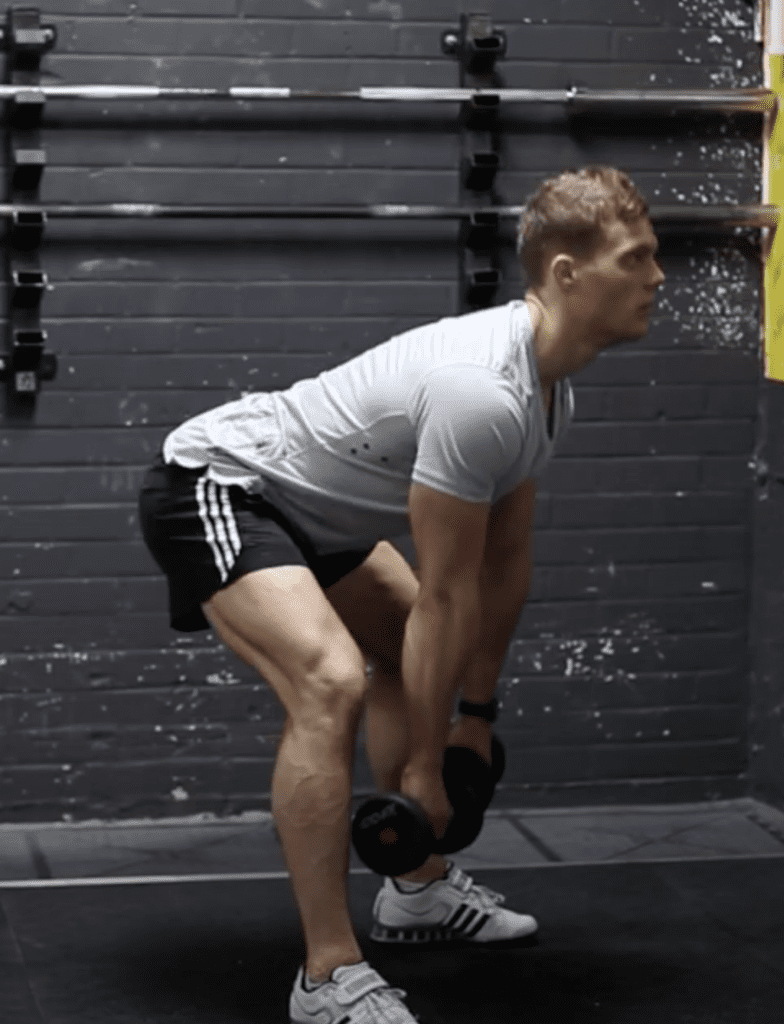
When you stand and hinge at the hips, three muscles decelerate hip flexion: gluteus maximus, hamstrings and adductor magnus. The wide stance RDL emphasizes:
- Adductor magnus – in deceleration of hip flexion.
- Quadriceps – The natural knee flexion that occurs recruits a more active quadricep muscle in controlling and decelerating the knee as you lower the weight.
- Decreases stretch on the hamstrings – allowing someone to keep a more neutral lumbar spine if the hamstrings are tight. Tight hamstrings will result in a rounded lumbar spine.
Variation #2 – Narrow Stance RDL
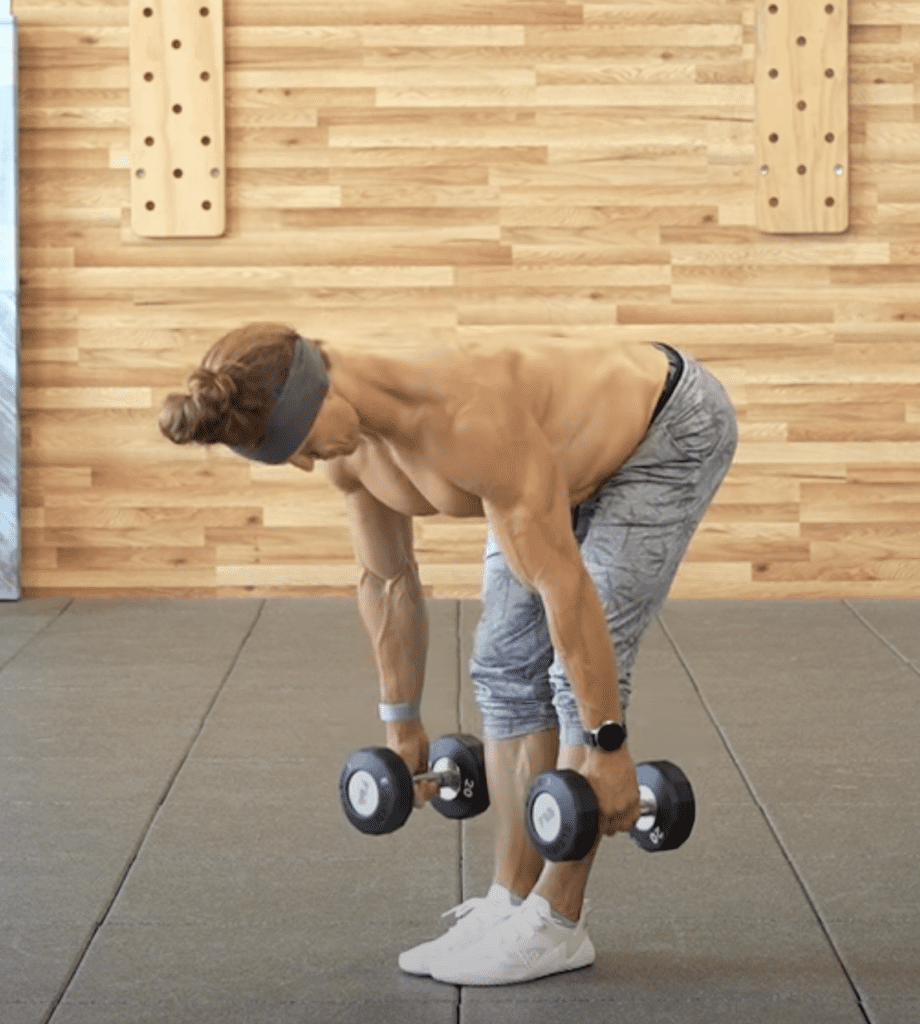
Here is a video on how to perform the dumbbell variation of the narrow stance RDL. By placing your feet together you emphasize:
- Gluteus maximus (sagittal plane)and hamstrings – in deceleration of hip flexion
- Require greater dynamic hamstring length
- Decreased quadricep contribution as the knees remain more extended throughout the lift
Variation #3 – Single Leg RDL with Rotation
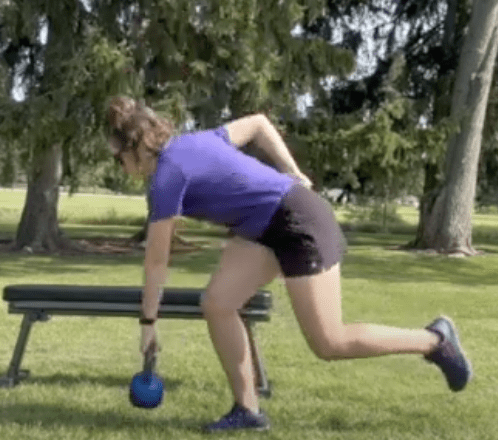
The narrowest of stances is to stand on one leg. Here is a video on how to perform this variation. By standing on one leg, you emphasize:
- Gluteus maximus (transverse plane) in deceleration of hip flexion and internal rotation
- Quadricep activation in deceleration of knee flexion
- Gluteus medius strengthening to stabilize the pelvis
Real World Application:
- If someone is rehabbing from a hamstring injury, starting with the wide stance and moving to the narrow stance would be a good progression
- If someone is rehabbing from an adductor injury, start with the narrow stance and progress to wide stance
- If someone is rehabbing from a lumbar radiculopathy, starting with the wide stance will allow for decreased stretching of the sciatic nerve and make it easier for the patient to maintain lumbar neutral
- If you want to load the glute in someone who is an over pronator, start with the wide stance. Make sure their knees stay over their second toes. Over pronators will tend to have their knees come together due to medial hamstring tightness. Then progress to the single leg stance to work the gluteus medius in pelvic stabilization
- If you want to load the glute in someone who is an over supinator, start with the narrow stance and make sure the balls of the big toes (1st metatarsal) are pressed to the ground as they lower the weight. They will tend to roll to the outside of their feet due to lateral hamstring tightness.
- The single leg RDL with a twist is the most functional movement pattern of RDL’s. Everyone should be able to do a variation of this move.
RDL’s are an excellent exercise to activate the glutes, hamstrings, adductors and quads. Tweaking them a little bit can maximize and tailor the benefit to fit your client’s needs. Choose wisely.
Because nobody has time to be in pain.
Until next time…

Kind Regards,
MoveWell Academy
[email protected]