Muscle Minute TUESDAY – Palpation Series (Part I – Introduction)
I’ve been wanting to launch this series for awhile for a couple of reasons:
- Palpation is important
- It’s way better to learn it in the privacy of your own home than “press and guess” on a patient in the clinic
- I’m not sure a seminar on palpation is glamorous enough to sell out.
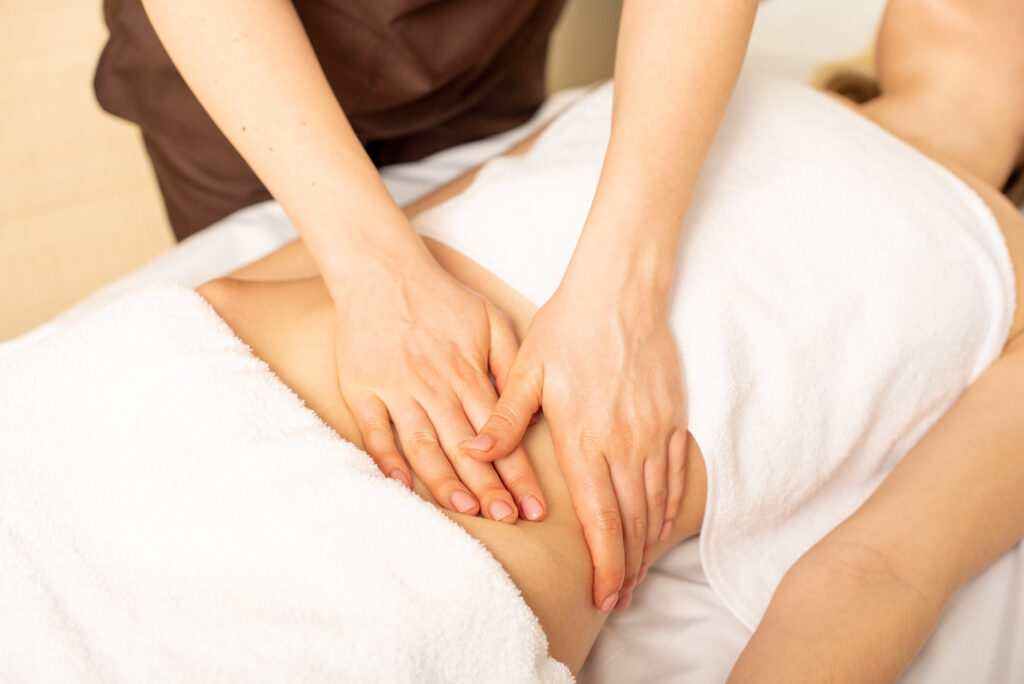
Palpation is a skill that is honed over time and repetition. Some clinicians have gone the way of evaluating without palpation and though it is true that a diagnosis may be arrived at by solid questioning and special testing, determining the “why? behind the “what?” requires palpation skills.
In James Cyriax’s method of selective tissue tensioning, there are three things one must check to determine if a muscle or tendon is involved (strain, tendonitis, tear):
- Pain with manual muscle testing
- Pain with passive stretching
- Pain with palpation
Two of the above must be positive and one must be palpation.
It is true that one does not have to be as precise when using modalities, like ultrasound or electrical stimulation, to treat a tendon/muscle as the surface area of the sound head or electrode allows for a more liberal treatment area. But if you are trying to devise a manual therapy or exercise plan for the biceps brachii versus supraspinatus, palpation will make the difference in determining which of these tendons is involved and how to treat it. If you are trying to determine if a meniscus is involved versus patellofemoral joint, then palpation will be key. A trigger point in the piriformis means something different than a trigger point in the posterior gluteus medius. And all those things are treated differently, or should be.
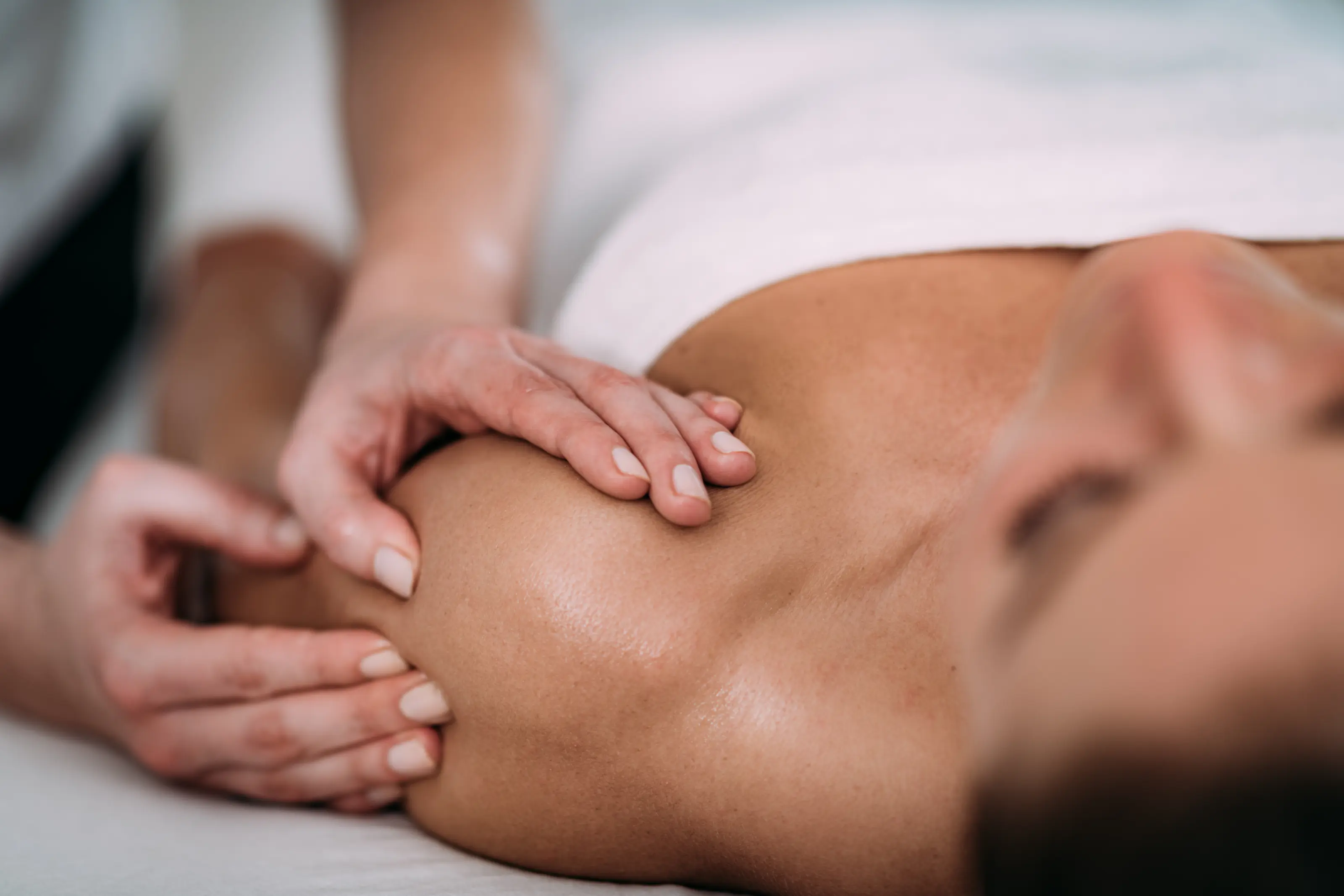
So for the next several weeks, Anatomy Tuesday will be dedicated towards palpation of the structures surrounding the major joints, starting with the shoulder. I will be focusing on finding these structures on yourself first as much as possible so there isn’t any excuse not to practice. If you can find key landmarks on yourself, you will most likely be able to find them on a patient.
Key structures will be palpated and the rationale of why it is important to find these structures will be discussed. It will be an interactive learning experience.
And if you are not a clinician, learning how to find key structures on your body may be helpful in your understanding of the aches and pains that may occur.
Your first bit of homework…
Grab a bunch of hair between your thumb and index finger. (If you don’t have hair, go find someone who does). Squeeze really hard. Are you able to feel individual hairs? Now lighten up your touch. You will notice as you release the pressure between your thumb and index finger, you actually feel more detail. Pressing lightly is better than pressing hard when trying to palpate structures.
I can’t wait to get started. If you know someone else who might be interested, share this email and have them subscribe to our newsletter. This will make all of us better clinicians and the world needs it.
Because nobody has time to be in pain.
Until next time…

Kind Regards,
MoveWell Academy
[email protected]