
Muscle Minute TUESDAY – Meet the Extensor Digitorum Brevis and Dorsal Interossei
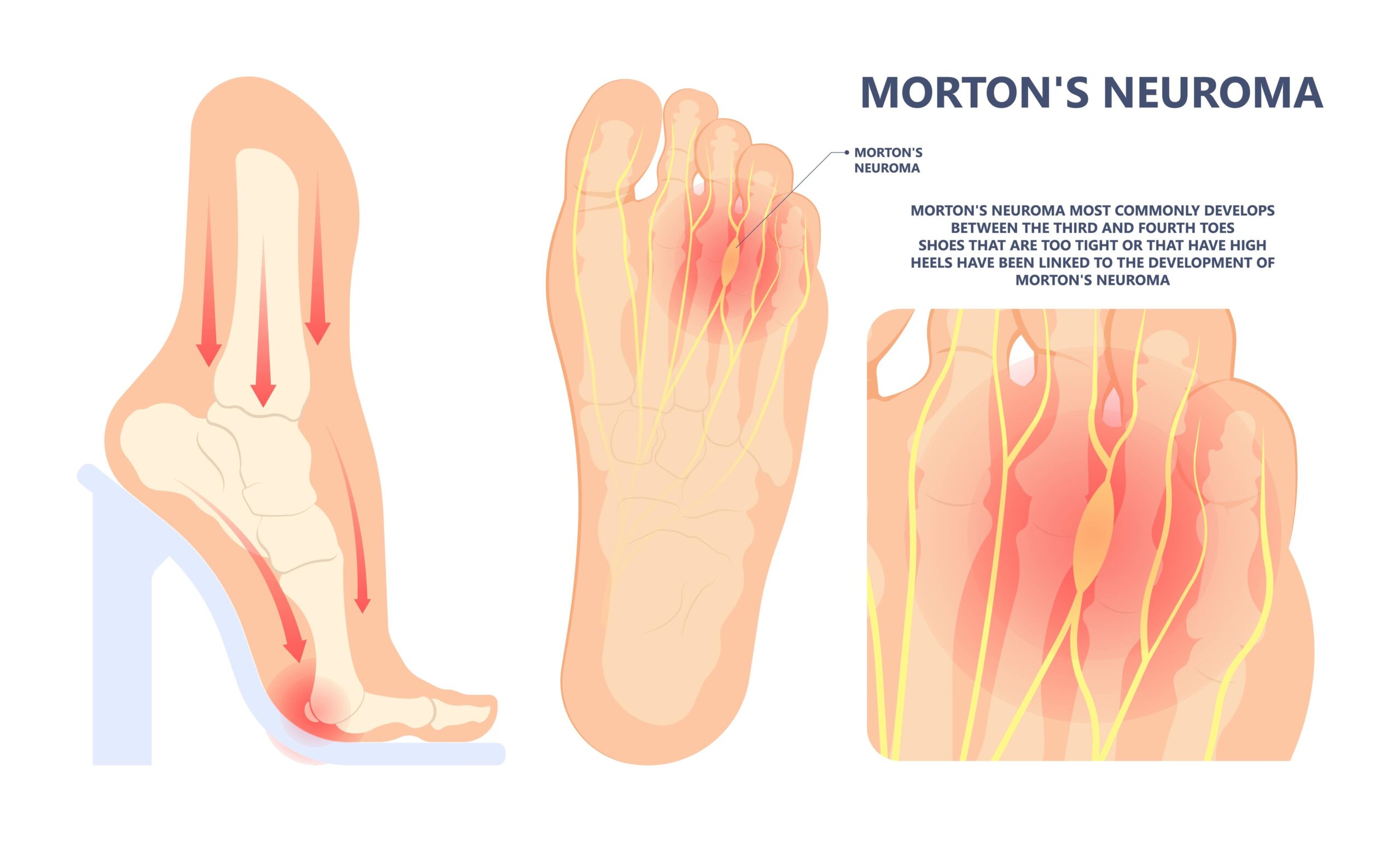
Morton’s neuroma and metatarsalgis are two of the most misunderstood and difficult to treat foot problems, is often blamed on improper footwear. But more times than not, if your foot functioned the way it should, you could wear those Jimmy Choo’s without a problem. Let’s take a quick dive into reasons for this problem.
Let’s define the problem:
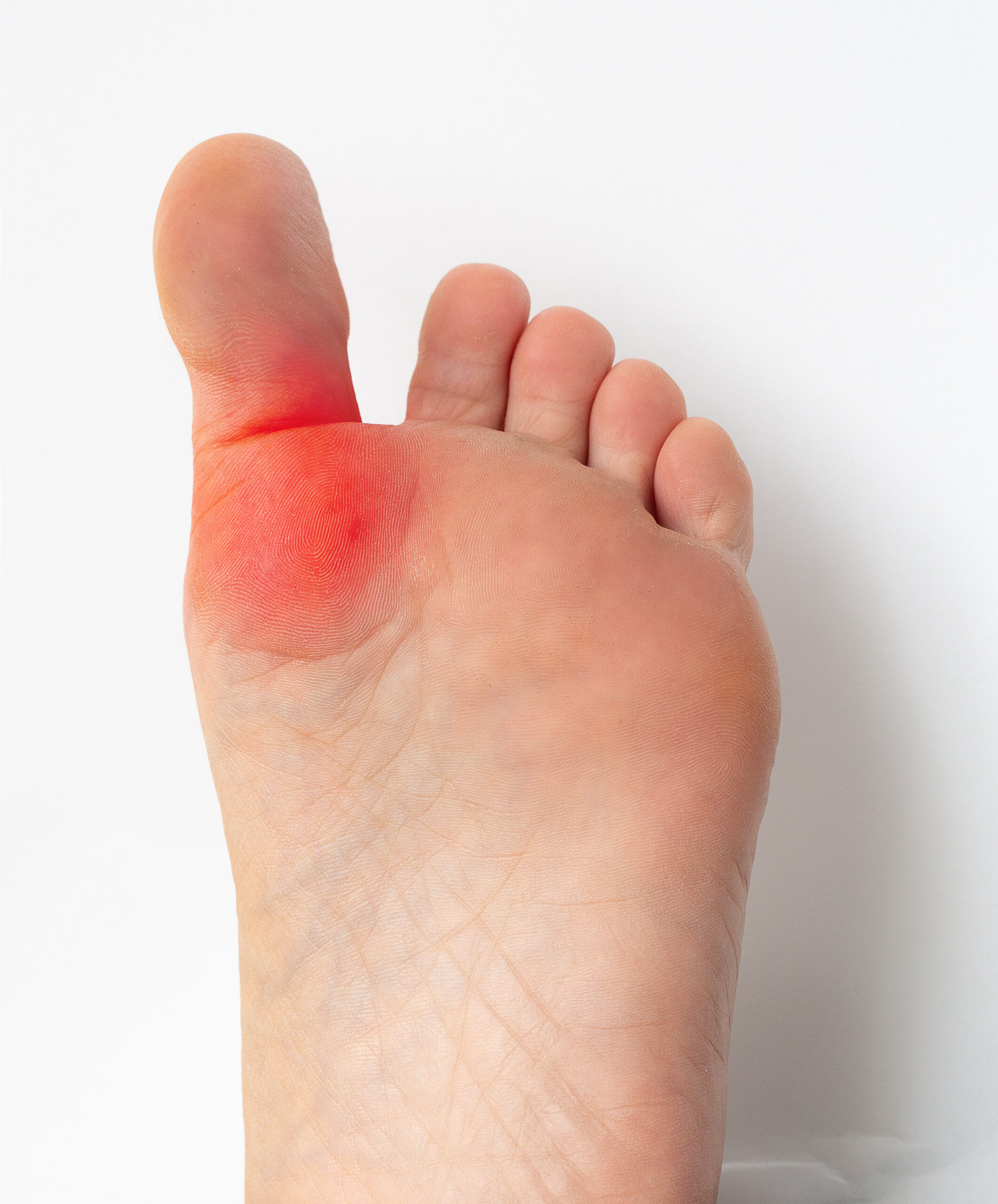
Morton’s neuroma is an enlargement of a nerve, usually between the second and third or third and fourth metatarsals. It exhibits as sharp, pinpointed pain underneath the foot that increases with weight bearing.
Metatarsalgia is an irritation of the metatarsal heads, usually occurring on the second or third metatarsal that increases with pressure.
What causes them?
Historically, poor fitting shoe wear has been to blame. Shoes that increase metatarsal head pressure (high heels) or metatarsal adduction (narrow toe box) have been thought to cause these problem. But I currently have a case (or two) that has occurred in men who don’t wear high heels or narrow toe box shoes. So, what’s going on there?
When the foot hits the ground, the lateral heel makes first contact and initially pronates. This causes the foot bones to splay allowing for shock absorption. But almost instantaneously, your rear foot supinates, causing the foot to lock up as your weight bearing line travels across the metatarsal heads and out the big toe. This allows for a solid platform of which to push off. And you are supposed to push off your big toe. That’s why it’s big and that’s why it is located where it’s at.
The problem happens when your foot hits the ground and your foot doesn’t roll to your big toe, instead pushing off of the smaller second or third metatarsal. And if your toes remain extended, this places prolonged pressure onto the metatarsal heads when on contact with the ground.
Two key muscles may play a huge role:
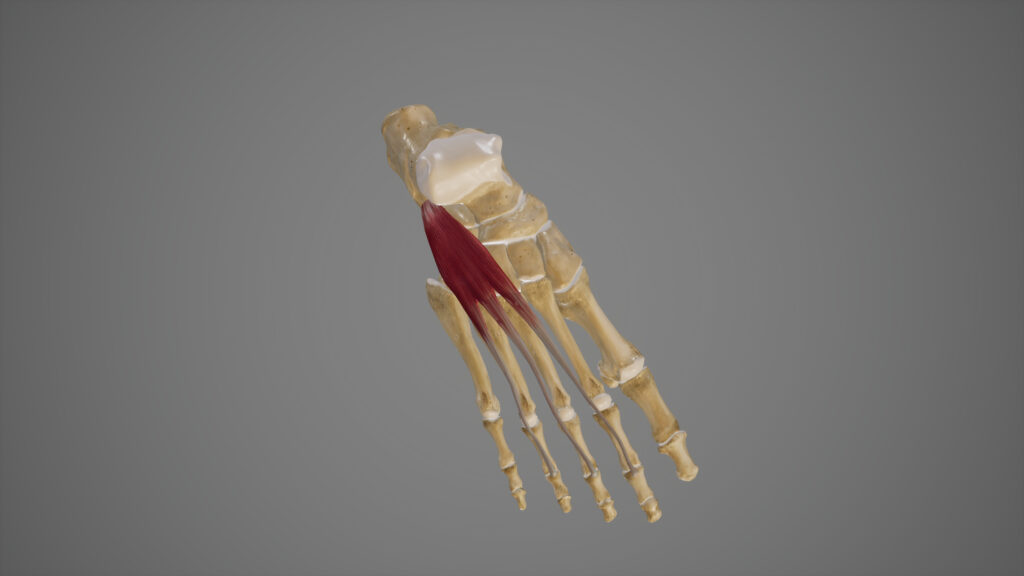
Extensor digitorum brevis (EDB) originates on the dorsolateral part of the foot and assists in MTP joint extension. If you place your foot on the floor and extend your toes, you will notice increased MTP pressure (balls of the toes) and you will notice this muscle buldge on the outside of your foot.
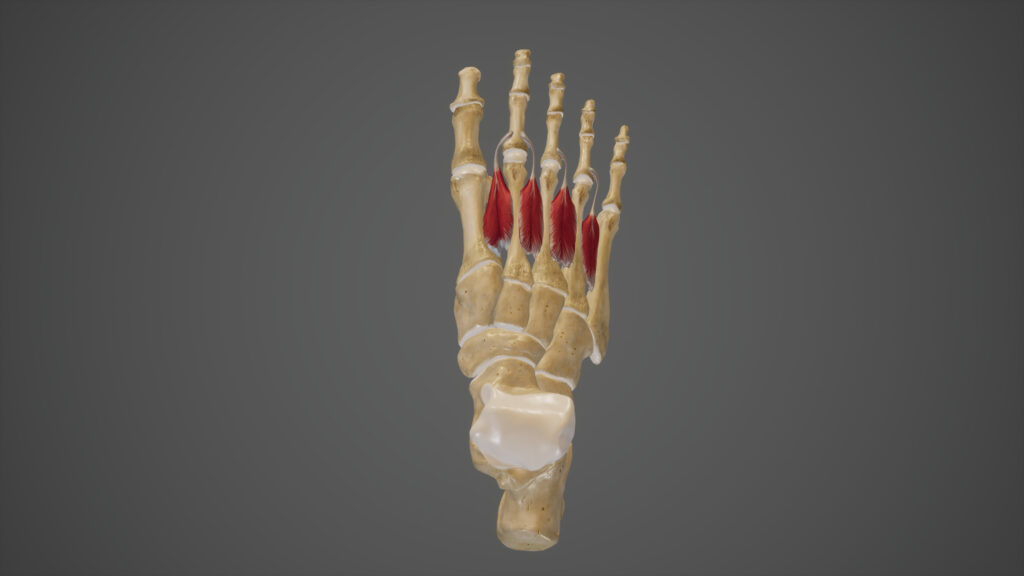
The dorsal interossei of the foot are palpable in between the metatarsals and act to abduct the toes, but their position between the metatarsals may cause adduction of the metatarsals. At least, this is where I have found trigger points in people who are supinated.
How do I know if this is the case?
- Place your index finger between your first and second toe and press down between the webspace. Repeat this between each of your toes. Are any of these painful? This may indicate trigger points on the dorsal interossei which may prevent your metatarsals from spreading, causing increased pressure of the nerves that run between
- Curl your toes. Are you able to? Do you feel an intense stretch at the top of your foot? This may indicate tightness of the EDB
How do I treat it?
- Massage between the webspace of your toes for 30 seconds to a minute
- Massage between the long bones of your toes
- Massage the muscle belly of EDB on the dorsal lateral part of the foot
- Place your fingers between your toes as you actively curl your toes to stretch EDB
- When you walk, make sure you are pushing off your big toe
Your job is to get your toes to flex and the long bones of your foot to separate. This will alleviate pressure in the area of the Morton’s neuroma and metatarsalgia.
Conventional thinking says: Morton’s neuroma and metatarsalgia are caused by high heels and tight shoes
Real World Thinking says: These foot problems occur from over supination and tightness in the toe extensors. Re-train your foot to pronate, your bones to spread and your toes to flex to get rid of pain associated with Morton’s neuroma and metatarsalgia. An injection may only provide a temporary fix. Treat the “why?” behind the “what?”.
Because nobody has time to be in pain.
Until next time…

Kind Regards,
MoveWell Academy
[email protected]