Anatomy TUESDAY – The Foot/Ankle Complex (Part 3) – TCN and TT Joints
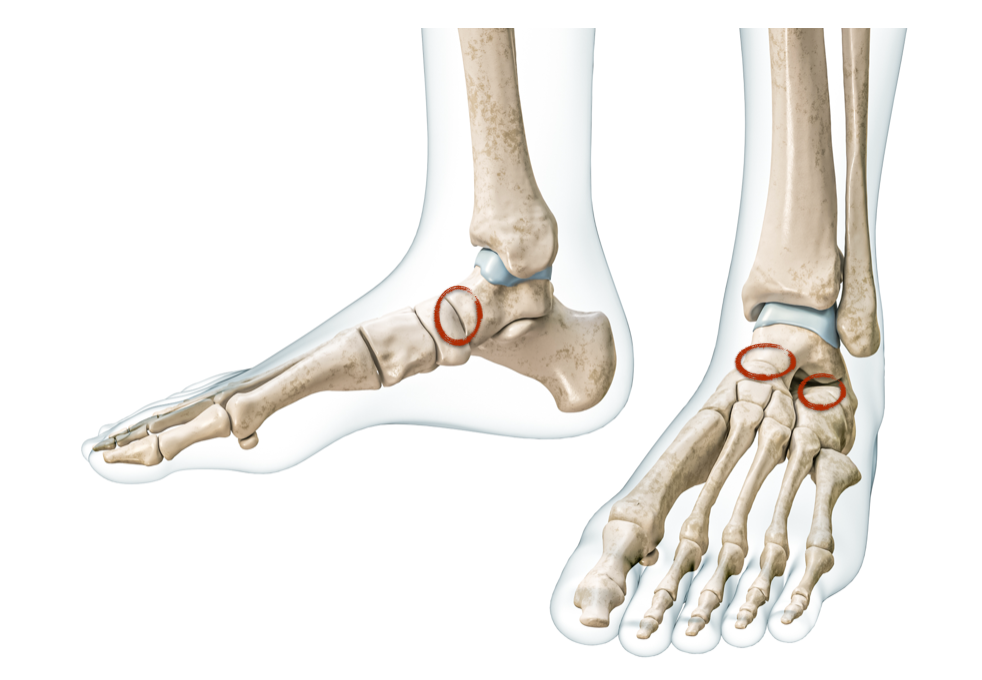
This is the part of the foot/ankle complex that makes people’s eyes roll back into their head. Little joints with big names contributing to one of the most important movements of your body: the talocalcanealnavicular (TCN) and transverse tarsal (TT) joints. Here’s what sets these joints apart:
- TCN joint – Due to ligamentous connections, the talus is able to move on the calcaneus and navicular bones. This provides pronation and supination with more dorsiflexion/plantarflexion than is available at the subtalar joint (STJ).
- TT joint – This is a joint formed between the talonavicular (medial side) and calcaneocuboid (lateral side) bones. This provides pronation and supination with more inversion/eversion than is available at the STJ. (Think folding the foot long ways).
Remember that pronation and supination are triplanar terms.
- Pronation = dorsiflexion (sagittal plane), abduction (frontal plane), eversion (transverse plane)
- Supination = plantarflexion (sagittal plane), adduction (frontal plane), inversion (transverse plane)
It is impossible to separate one from the other. This is great news and what contributes to the shock absorbing (pronation) and force producing (supination) function of your foot. Notice how all three joints (STJ, TCN, TT) perform pronation/supination but each has their dominance in a certain plane of motion. The TCN joint is more dominant in the sagittal plane while the TT joint is more dominant in the transverse plane. All three joints contribute to the motion that will ultimately LOAD the BUTT (gluteus maximus).
Why does this matter?
Lack of motion in either the TCN or TT joints will limit pronation of the foot. Some signs that pronation is limited:
- You get a jam in the front of your ankle when you dorsiflex (instead of a pull in your calf muscles)
- You have a bump at the top of your foot that may make it uncomfortable to wear shoes. Remember, bone is laid down along lines of stress. Lack of motion at the TCN/TT joints may result in excessive pressure on the navicular, the bone that is often enlarged a the top of a foot that doesn’t pronate
- You wear out the outside of your shoe
- When you stand, the ball of your big toe isn’t on the ground
- You have a bunion
- It’s hard to balance standing on one leg
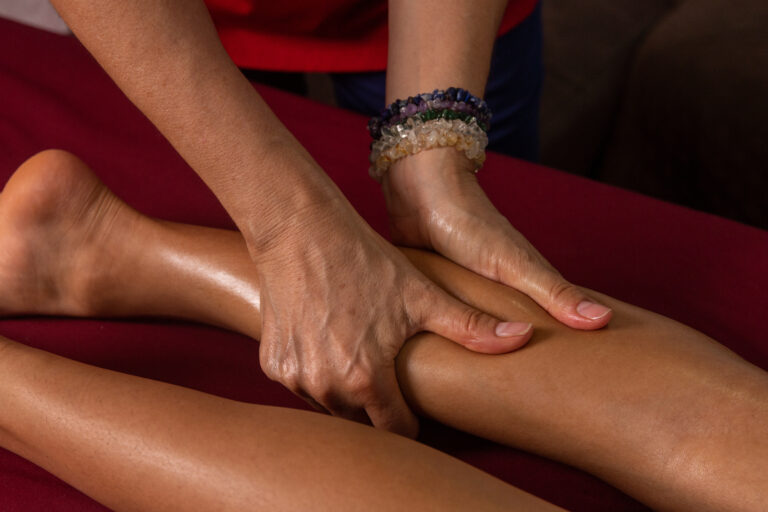
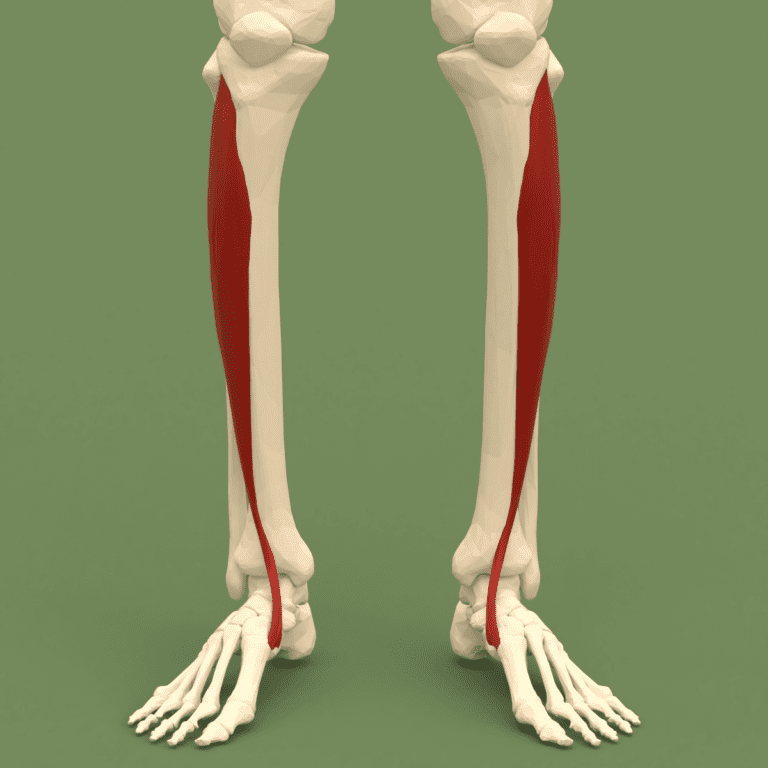
Common trigger points associated with lack of motion (over supination) at these joints: tibialis anterior, tibialis posterior, flexor hallucis longus, flexor digitorum longus, extensor hallucis longus. Hint: a lot of these trigger points are palpated in your lower leg on either side of your tibia (shin bone).
Common trigger points associated with too much motion (over pronation) at these joints: peroneus longus, peroneus brevis and peroneus tertius.
Hopefully that kept your attention and wasn’t too painful. Two small joints that are easy to ignore but pack a big punch in foot function. Restoring motion in the TCN and TT joints can go a long way in relieving foot pain and allowing you to load the biggest muscle of your body, the gluteus maximus.
Because nobody has time to be in pain.
Until next time…
Kind Regards,
MoveWell Academy
[email protected]