
Muscle Minute TUESDAY – Windswept (Part 3 – Lower Extremity Position)

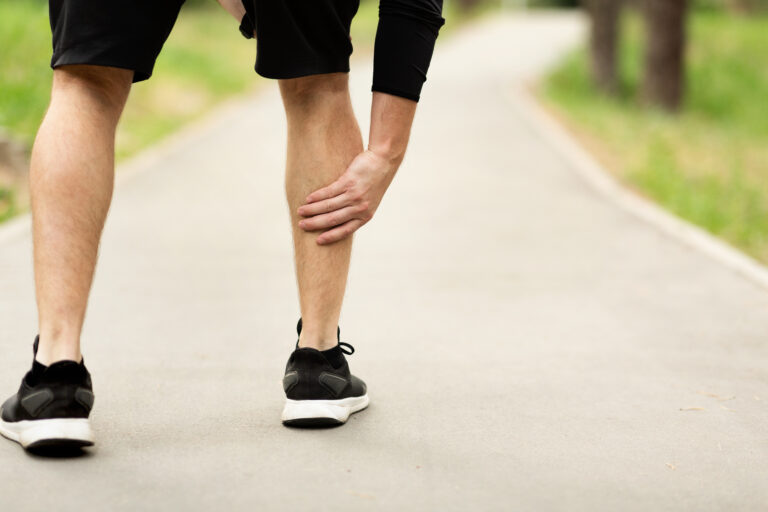
Continuing up the biomechanical chain in our study of the windswept posture (one foot supinated/one foot pronated), the next obvious thing is the position of the lower extremities. The photo above demonstrates a typical posture of left foot supinated and right foot pronated. There is often a functional leg length discrepancy causing a weight shift to the shorter leg (his left leg) and a toeing out of the longer leg (his right leg).
| Over Supination | Over Pronation | |
| Hip external rotation (rolled to outside of foot) | LEG POSITION | Hip external rotation (toed-out) |
| Posterior gluteus medius | TRIGGER POINTS | Piriformis |
| Inhibition massage to posterior gluteus medius or Deep trigger point massage | TREATMENT | Counterstrain piriformis |
| Gluteus maximus strengthening (start in transverse plane first): Anterior cone touch (opposite hand) Lateral low row Walking lunge with rotation Cue: Keep big toe on the ground | EXERCISE | Gluteus maximus strengthening (start in sagittal plane first): Anterior cone touch (bilateral hands) Anterior low row Anterior walking lunge Cue: Keep knee in line with second toe |
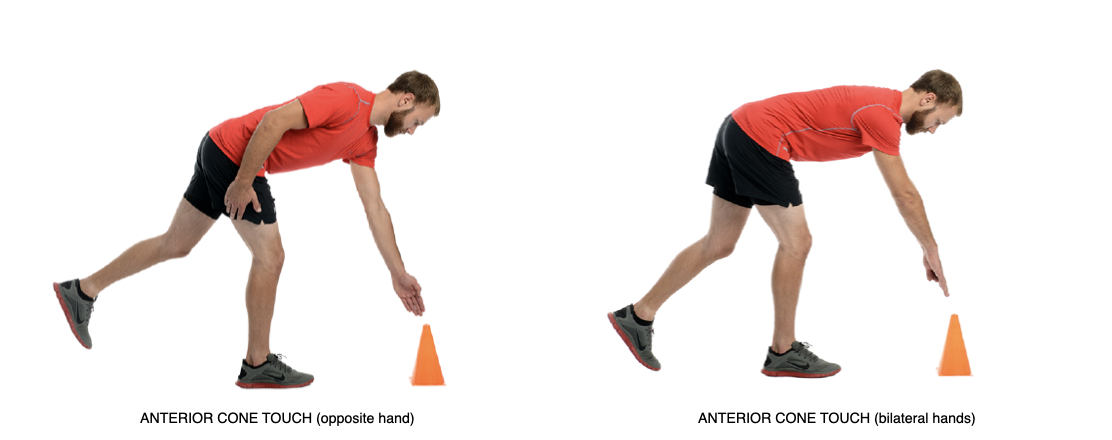
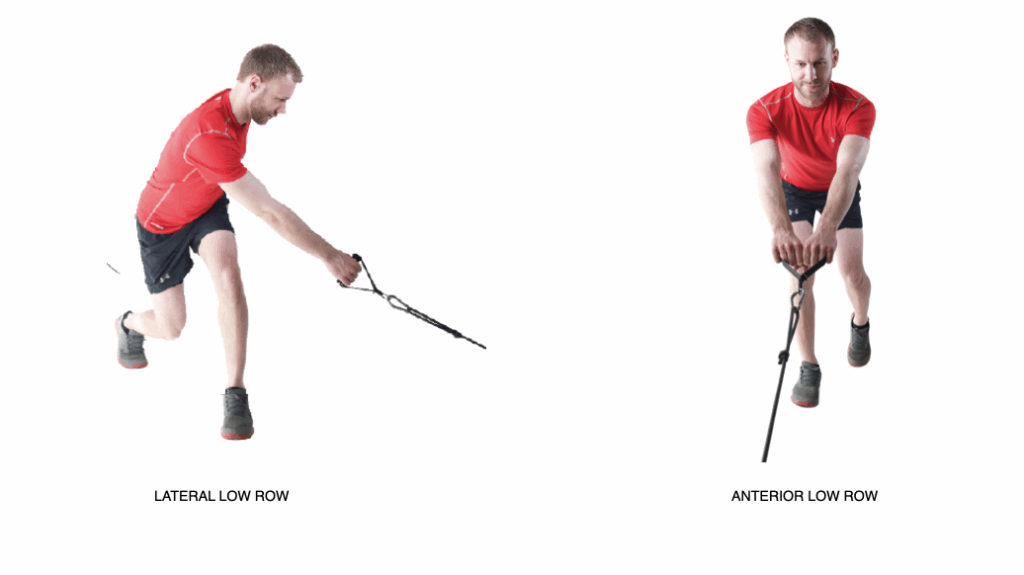
Are you seeing the theme? Both sides have gluteus maximus weakness, but they are strengthened in different ways. An over supinator will tend to roll to the outside of their foot during rotational activities, so you cue a “big toe down” posture to dynamically lengthen the posterior gluteus medius during hip rotation. An over pronator will tend to let their knee fall in, so you cue a “knee in line with second toe” posture and start with hinging the hip in the sagittal plane.
When designing exercise programs for someone with a windswept posture, it isn’t uncommon to exercise each leg differently. In fact, it is imperative to solving the windswept posture.
Why does this matter?
Not all gluteus maximus inhibition/weakness is created equally. Optimal length tension occurs when a muscle is stretched to 1.2x its normal resting length. In other words, placing a muscle on slight stretch is what helps it activate best. Both a toed-out (over pronated) posture or rolled-out (over supinated) posture will inhibit the gluteus maximus. And when the biggest muscle of your body shuts off, small muscles start to pay the price.
So, look down at your feet and start on your way to a real solution.
Because nobody has time to be in pain.
Until next time…
Kind Regards,
MoveWell Academy
[email protected]