Kinesiology THURSDAY – Silence of the Butt
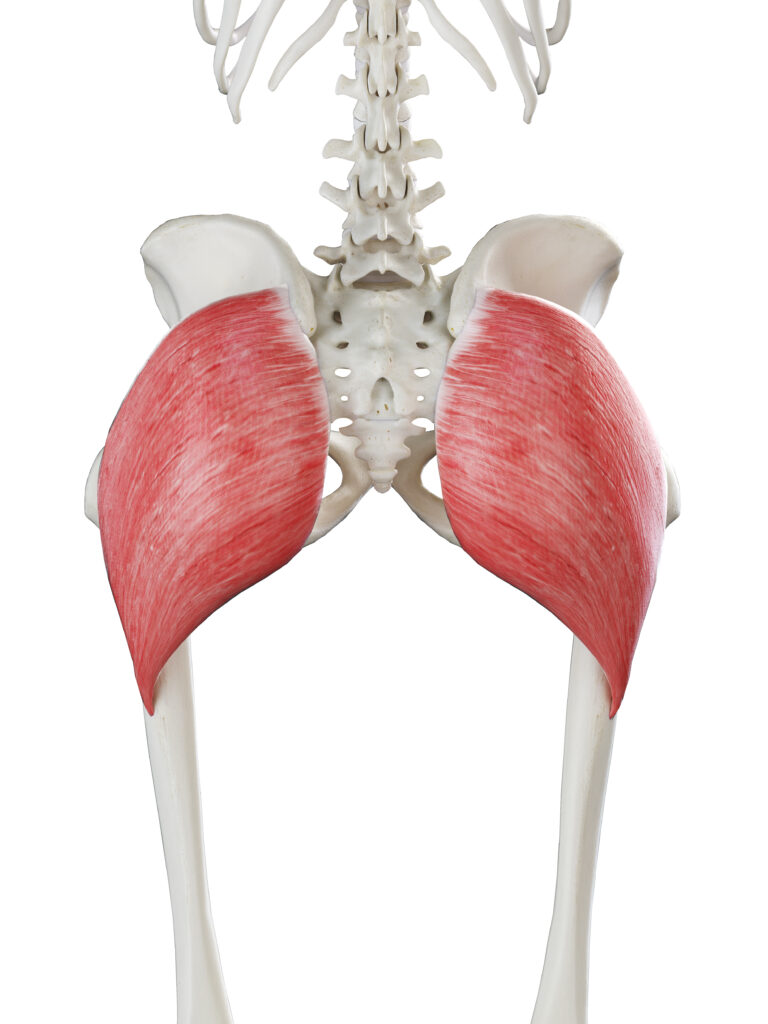
The gluteus maximus is the largest muscle of your body and strategically positioned just behind your center of gravity. The center of gravity is the point at which all forces converge on a movement system and for humans that is anterior to S2 (just below and behind your belly button). That means when you walk, run, jump, push or pull, the ground reaction forces that traverse up the lower extremity are designed to hit your center of gravity and then the biggest muscle of your body responds by slowing down that force and then propelling it out as motion.
We get in trouble when the biggest muscle of your body is shut off or neurologically inhibited and for most of the people I see every day with insidious onset pain, one gluteus maximus is inhibited. Incidentally, the pain is never in the gluteus maximus.
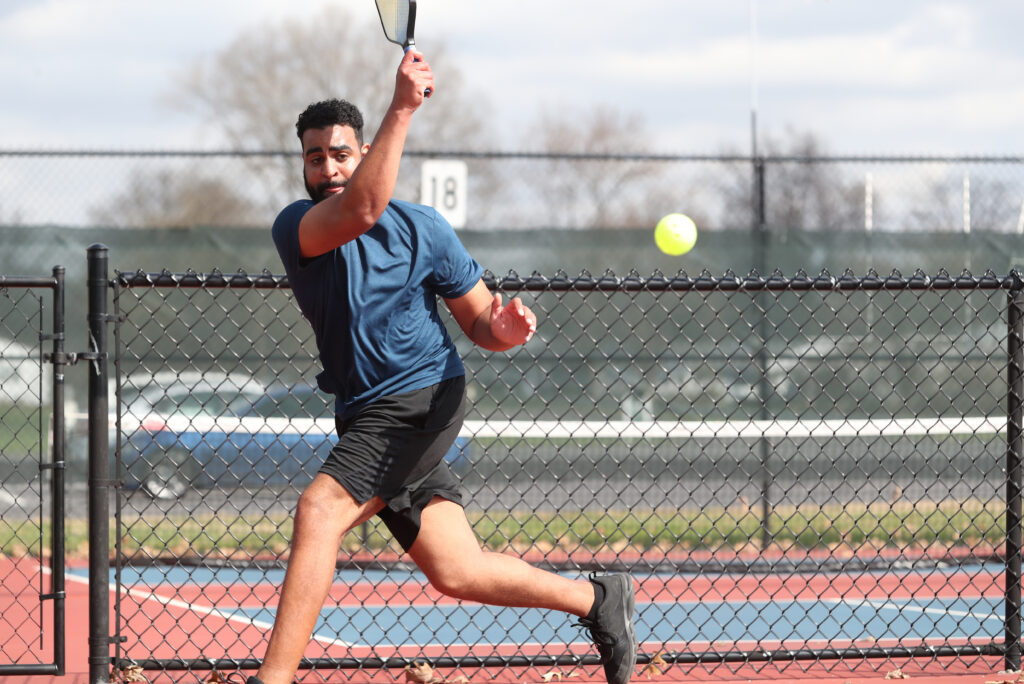
That’s right. When the biggest muscle of your body shuts off, it’s the smaller ones that pay the price. For instance, if this guy’s right gluteus maximus is weak, when he is in this part of the bowling delivery, his right bicep muscle will have to overwork to load this move.

And if this guy’s left gluteus maximus is weak, then the small muscles of his right lateral elbow or rotator cuff will be prone to overuse.
How do I know if my butt is shut off? (Take the glute squeeze test)
Stand with our feet hip width apart and toes pointed straight ahead. Now, tighten one butt cheek (yes, you should be able to do that). Now tighten the other one. Are they the same? Almost everyone can tighten both glutes at the same time. The real test is in unilaterally activating the gluteus maximus.
Why would one butt cheek shut off?
- Previous lower extremity injury/surgery
- Chronic lower back pain
- Asymmetrical rotation
- Tight hip flexors
- Weak core muscles
What can I do about it?
For starters, practice the unilateral glute squeeze described above. If it is difficult to generate a contraction, turn your pelvis away from that side and try it again. Usually, it is easier when the glute is in the shortened position. Squeeze tightly for six seconds. Then try to rotate your pelvis closer to neutral and try again. Eventually, your glute will wake up.
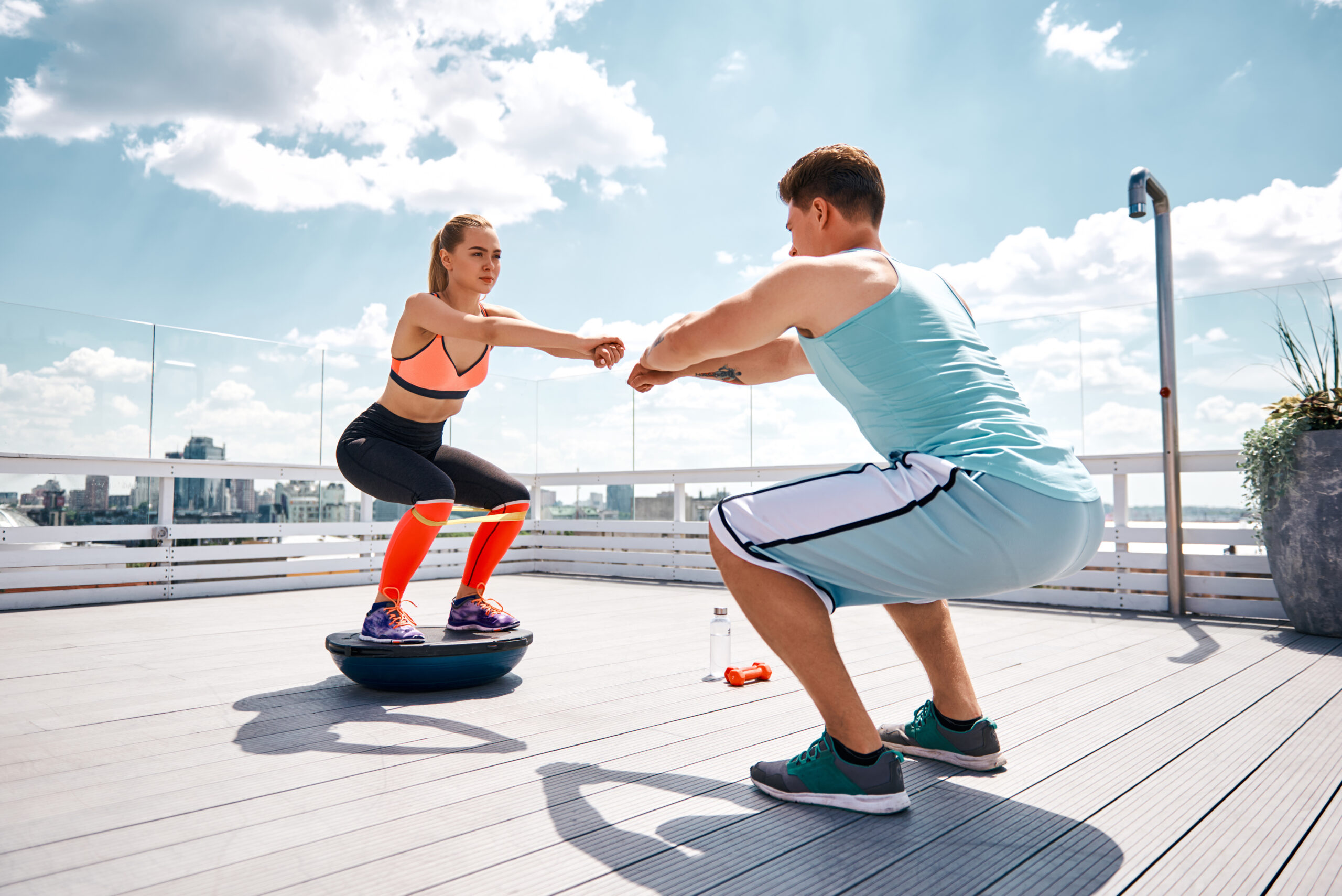
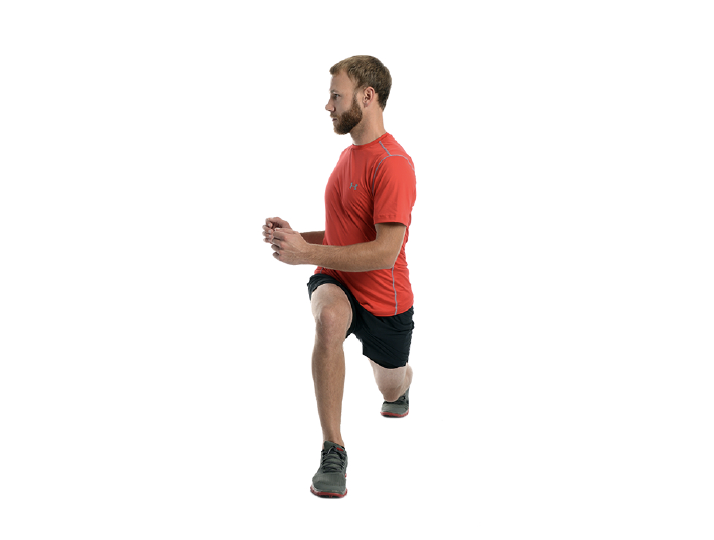
There are many exercises to activate the gluteus maximus but all of them should lead to being able to perform a correct lunge and squat, with a rotational lunge being the main goal.
Why does this matter?
When the biggest muscle of your body goes to sleep, the smaller muscles will pay the price. If you have an ache or a pain that happens “just because”, don’t blame your age. Instead, try the butt squeeze test and bring your glutes back to life. When it comes to musculoskeletal pain, it’s almost always about the butt. Remember that.
Because nobody has time to be in pain.
Until next time…