Muscle Minute TUESDAY – Windswept (Part 6 – Side Lying Rotation)
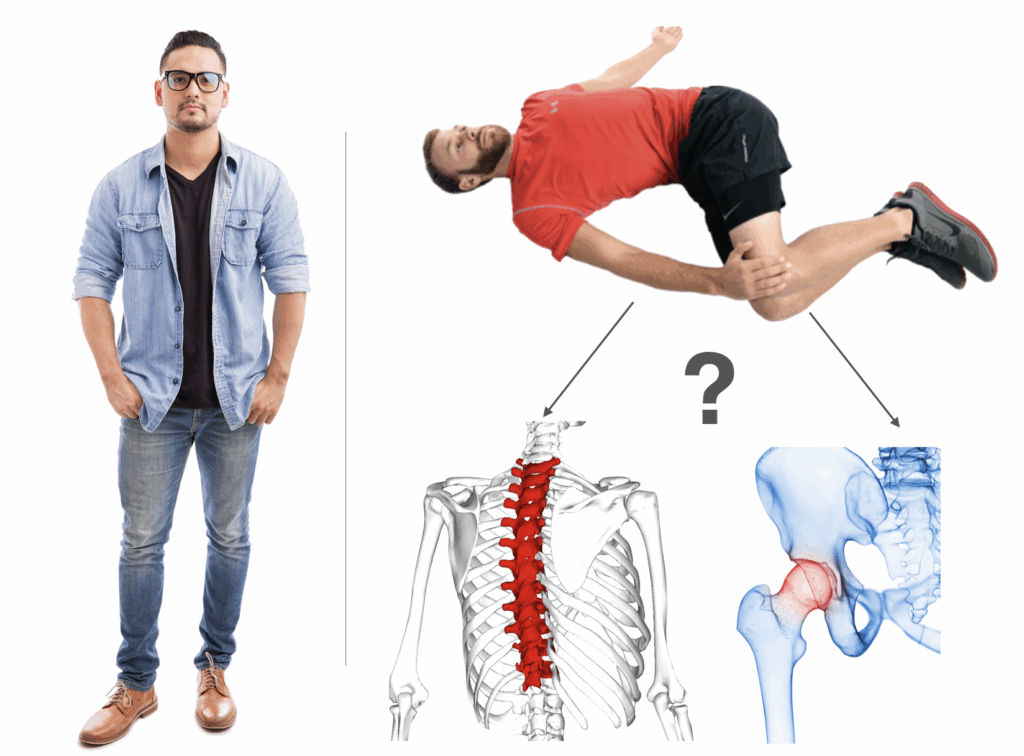
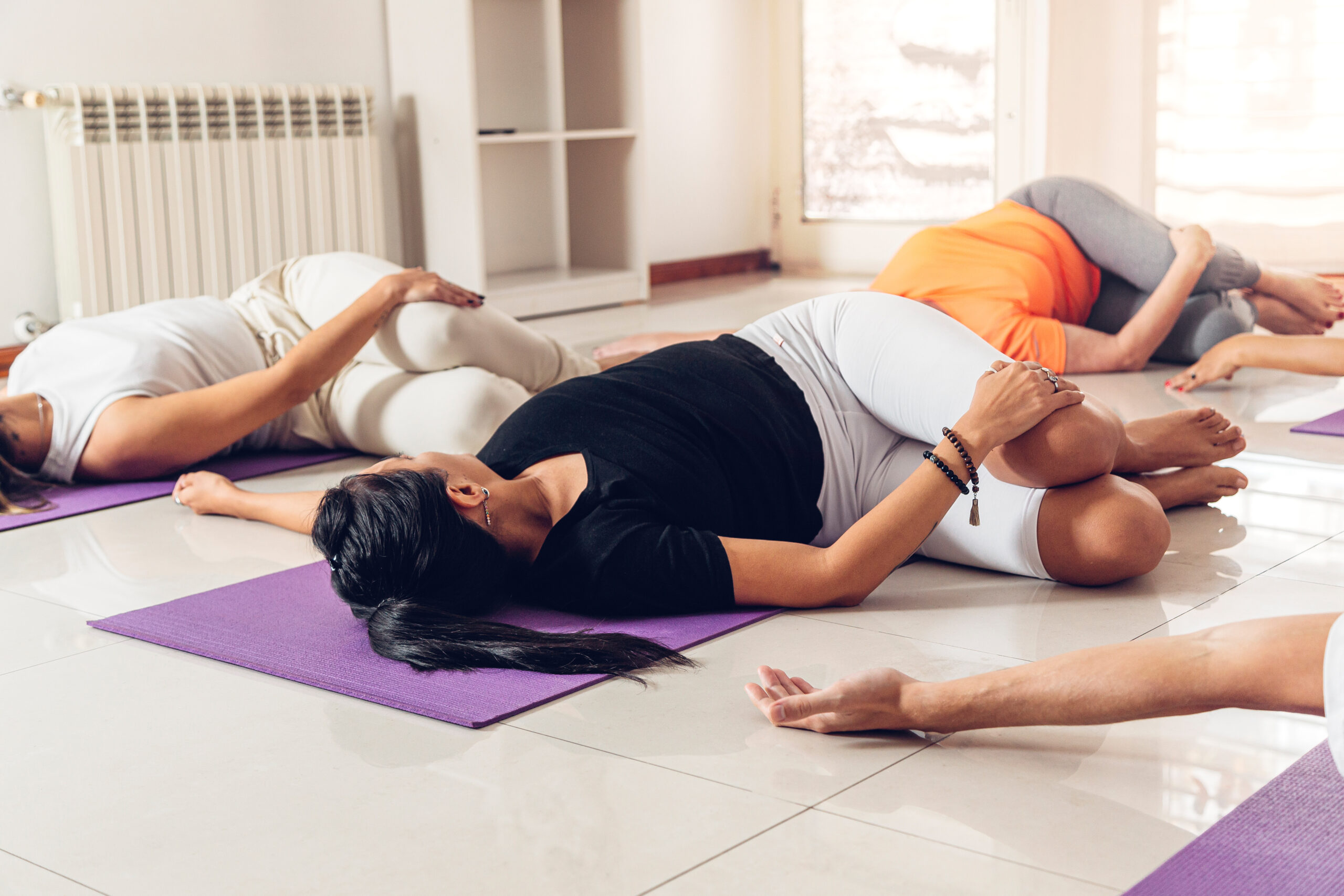
This is an interesting observation of the windswept posture. When testing side lying rotation and using the thoracic sequence, the limitation on the over pronated (toed-out) side is usually resolved with inhibition of the piriformis and release of vastus lateralis. The limitation on the over supinated side is usually resolved with mobilizing the thoracic spine.
| Over Pronation | Side Lying Rotation | Over Supination |
| Decreased hip IR | Cause of Limitation | Thoracic spine hypomobility |
| Inhibition massage (piriformis) Vastus lateralis release | Manual Therapy | Side lying thoracic NAGs (mobilization) |
| Piriformis stretch Pigeon pose Anterior cone touch (sagittal plane hip hinge) | Exercise | Wall washes Tubing 90/90 pulls 90/90 plyoball throws |
It is likely the limitation in hip IR (pronated side) is due to the toed-out posture that occurs as a compensation for a leg that feels too long. And the thoracic hypomobility (supinated side) occurs due to adaptive shortening of the latissimus dorsi from the elevated pelvis on that side. The manual therapy fix lies in the thoracic sequence. So, that’s easy. In addition, it is important to incorporate key exercises to address both limitations.
Exercise Ideas
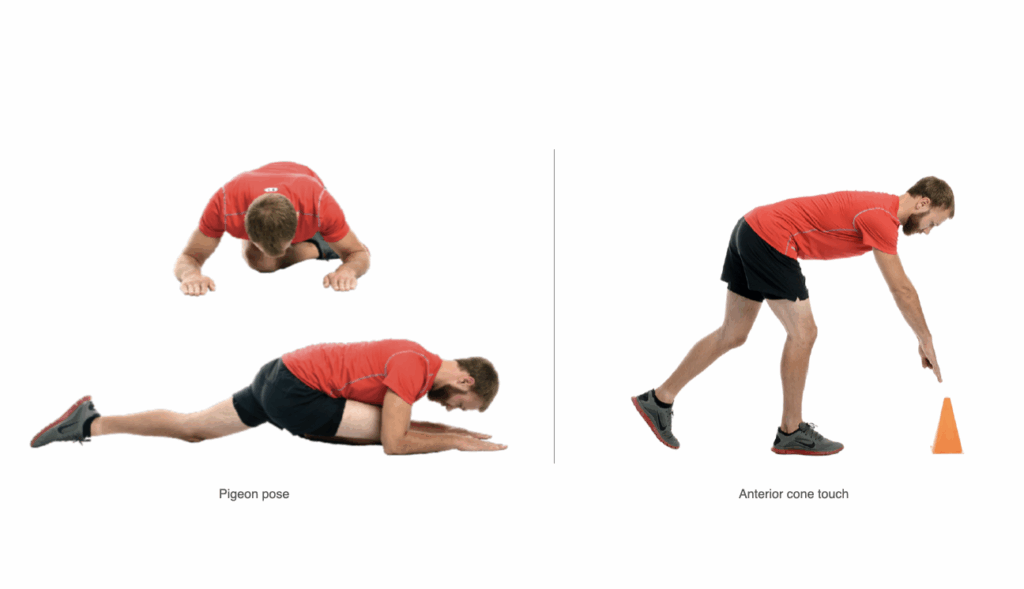
For the pronated side, it is helpful to stretch the piriformis and then activate the gluteus maximus (the functional synergist of the piriformis) in the sagittal plane. Why don’t we use a rotational hip strengthening exercise to improve hip rotation? Because this will tend to activate the piriformis which is dominant in the transverse plane. Instead, we choose gluteus maximus activation initially in the non-dominant plane of motion of the piriformis. Activating gluteus maximus will serve to inhibit the piriformis (synergistic dominance) and reverse the dysfunction.
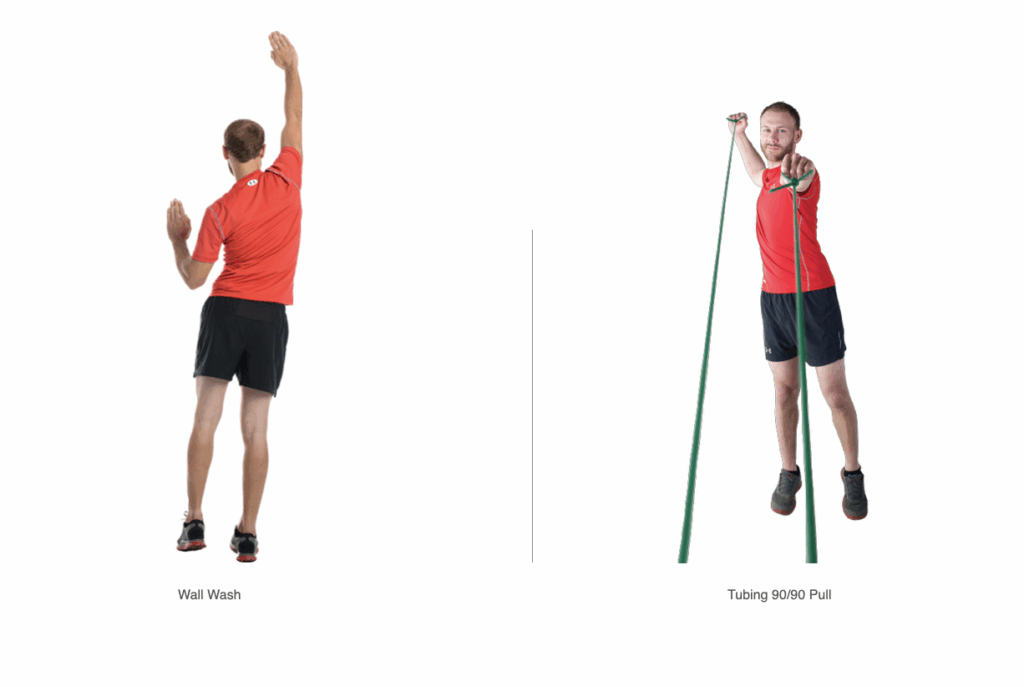
For the supinated side, exercises emphasize thoracic mobility and latissimus dorsi flexibility. Our favorite exercises focus on activation of the lower trapezius in order to inhibit the latissimus dorsi. Of course, you can also choose to stretch the latissimus dorsi, but I wanted to highlight the less obvious solution.
Why does this matter?
There are three key areas of functional rotation of the body: the subtalar joint, the hips and the thoracic spine. Side lying rotation evaluates two of these three areas. Regardless of the area of pain, restoring functional rotation with manual therapy and exercise usually yields an improvement in function. It is important to understand there are different causes of rotational limitation. So, check side lying rotation and fix what you find.
Because nobody has time to be in pain.
Until next time…

Kind Regards,
MoveWell Academy
[email protected]