Muscle Minute TUESDAY – The Obturator Internus

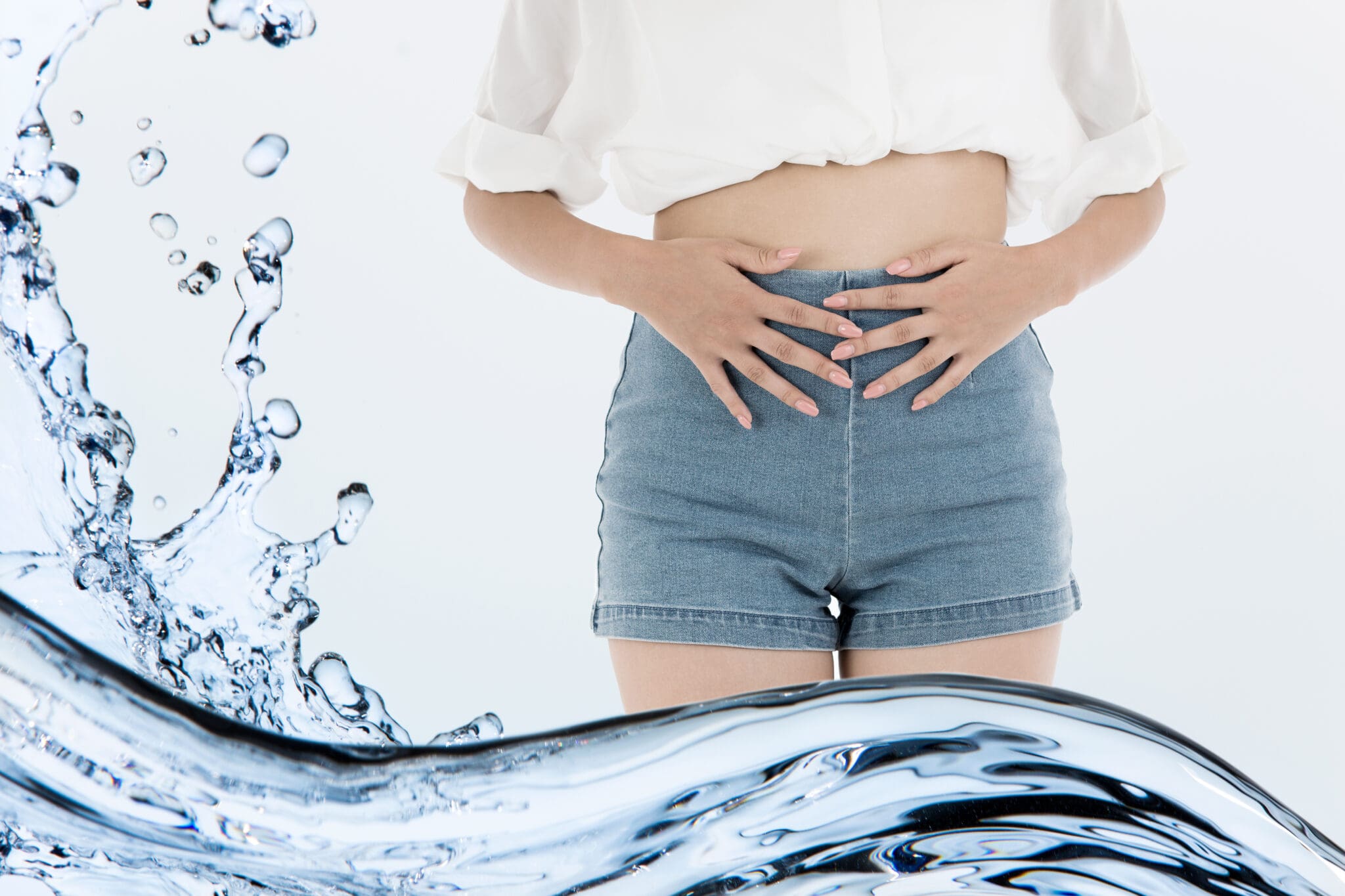
Nobody likes to admit it or talk about it, but urinary stress incontinence (leaking with coughing, laughing, running or jumping) and perineal pain (burning, stabbing in the area between the anus and genitalia) are very real problems. Runners, gymnasts, cyclists and people with low back pain are just a few of the populations who may suffer with these symptoms.
One of the culprits of these aggravating symptoms is this tiny muscle, the obturator internus (OI), the only one of the “deep six” external rotators of the hip that extends to the pelvic floor. Let’s take a closer look:
| Origin | anterior lateral wall of pelvis (surrounds obturator foramen) |
| Insertion | medial aspect of greater trochanter |
| Action | abducts and externally rotates the extended hip; abducts the flexed hip, stabilizes hip during walking |
| Innervation | obturator n. (L5, S1, S2) |
| Antagonists | adductors, anterior fibers of gluteus medius/TFL |
The Real World Obturator Internus
So how can this muscle cause urinary leaking and perineal pain?
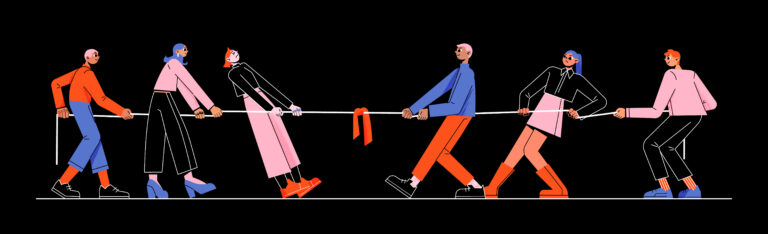
- The OI shares a fascial attachment with the pelvic floor. This means if this muscle is short/tight (has a TrP), the pelvic floor muscles will become long/weak, decreasing their ability to control the release of urine, feces and flatulence.
- The pudendal nerve and vessels, which innervate the pelvic floor and perineum, are housed in a canal formed by the obturator fascia called Alcock’s canal. The pudendal nerve can sometimes get caught in the obturator fascia as it crosses the obturator internus muscle.
How does the obturator internus become tight? Remember, it is one of the deep six external rotators of the hip. These muscles are synergists to the gluteus maximus, meaning they are lined up to do a similar action. However, the job of the OI is to stabilize the hip. Just like the piriformis, these muscles may become tight if:
- You walk with your toes turned out (hip external rotation)
- You walk with a wide base of support (hip abduction)
Both of these positions create chronic shortening of the deep hip external rotators and may inhibit the gluteus maximus through synergistic dominance.
How can I treat this?
- Here’s a great self-release technique for the obturator internus
- Strengthen the gluteus maximus in the sagittal plane with hip hinging. (anterior lunges, single leg dead lifts, etc) and if you can’t activate your glute, find a great practitioner who can help you
- Walk with your toes pointed straight ahead and with your feet 2″-4″ apart (stride width)
Conventional thinking says: Urinary leaking is because you are aging or you’ve had a child and nobody wants to talk about it. Just try Kegel’s exercises.
Real World Thinking says: The obturator internus muscle easily develops trigger points with certain postures and with gluteus maximus weakness. And that is fixable!
Create an environment for your patients to talk about these things or share this article with someone who might need some help.
Because nobody has time to be in pain.
Until next time…