
Anatomy TUESDAY – Heal Me (Part 1) – Tendons
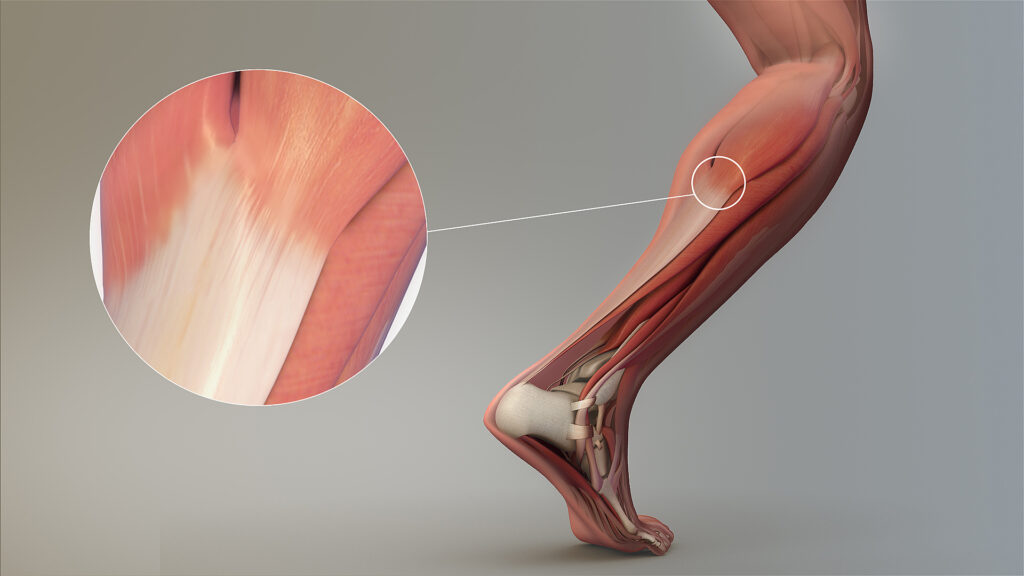
This is the first of a five part series discussing healing strategies for various tissues: tendons, ligaments, muscle, bone and nerve. Understanding the nature of each of these tissue systems, their response to inflammation/injury, healing times and exercise strategies is key in creating effective rehabilitation programs. Let’s start with tendons.
What are they?
Tendons are the structures that connect muscle to bone. Compared to muscles and bone, tendons are composed of dense collagen fibers and have a limited blood supply. While muscles are often injured by over stretching or excessive contraction, tendons are often injured due to repetitive loading, degeneration or acute trauma.
Due to limited blood supply, fewer healing cells reach the injury creating healing times of weeks to several months (8-16 weeks).
How do I know it’s a tendon that is injured?
- Pain with palpation
- Pain in the tendon with manual muscle testing
- Pain with passive stretching
(Note: Two of the above must produce pain and one of them has to be palpation)
Healing strategies for tendons:
- Increase blood supply to the area using ultrasound, far infrared heating pads
- Encourage tissue remodeling (after initial inflammatory phase) using transverse friction massage (TFM) and instrument assisted soft tissue mobilization (IASTM). TFM should be performed with the tendon on a slight stretch.
- Release trigger points in the antagonists using soft tissue mobilization and deep trigger point massage. Remember, if a muscle is short and tight, its antagonist is long and weak (and prone to injury)
- Adequate protein intake – .7-1.1g of protein per pound of body weight spread throughout the day is recommended for tendon healing. Collagen peptides (15-20g) and Vitamin C taken 30-60 minutes before exercising has also been shown to promote tendon healing.
Movement that Heals
- First, correct the mechanics that cause tissue overload. For instance, figure out which gluteus maximus works in concert with the injured tendon. The gluteus maximus is the biggest muscle of the body and the powerhouse for movement. Weakness of this muscle often lies at the root of tendon overload somewhere else. For instance, lateral epicondylitis (tennis elbow) is often associated with weakness of the opposite glute. Bicep tendonitis is often associated with weakness of the same side glute.
- Stretch the antagonists – In the case of tennis elbow, this means you would stretch the wrist/finger flexors. For patellar tendonitis, stretch the hamstrings. This is counterintuitive but it is also in these antagonists that you often find the trigger points.
- Strengthen the tendon using high repetition sets (3-4 sets of 12-15 repetitions) promotes tendon healing. Slow eccentric load is most effective early on then advancing to plyometric (rapid eccentric load) activities.
Why this matters…
Not all tissues are created equally. Accurately diagnosing which tissues are involved and then designing a program that respects that tissues composition and healing times is key to rapid rehabilitation and success. There is a lot to chew on here. Time to get to work.
Because nobody has time to be in pain.
Until next time…

Kind Regards,
MoveWell Academy
[email protected]