Kinesiology THURSDAY – Biomechanics of an Ankle Jam
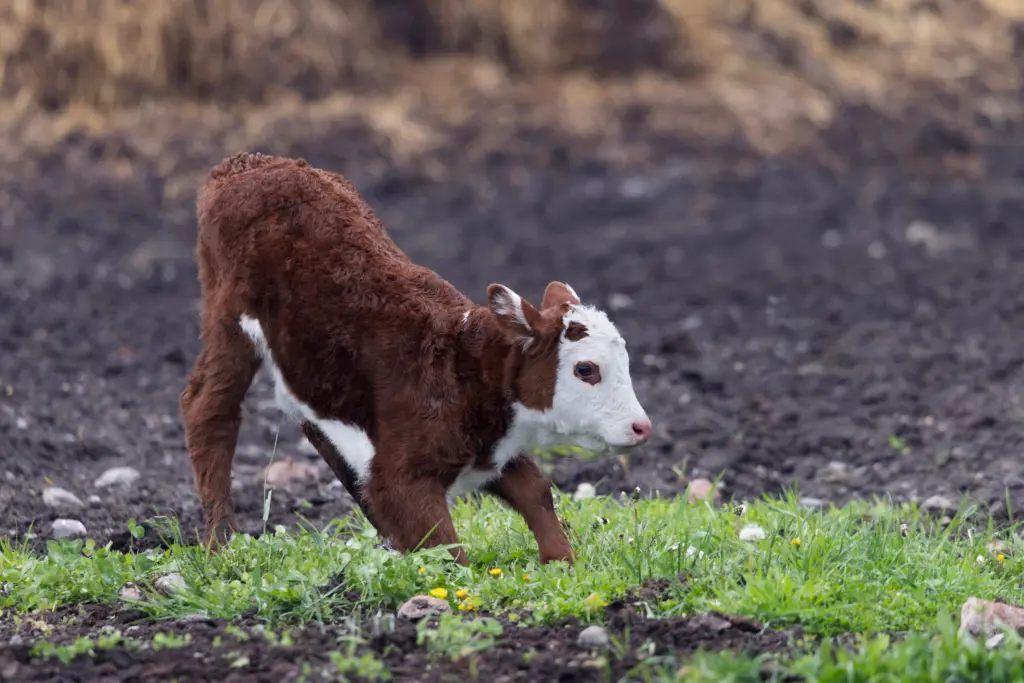
Wait…what is this? A cow doing a downward dog? No, silly. It’s a calf stretch!
Just kidding. I mean, I’m not kidding. That really is a calf stretching. But the real topic of today is this:

Have you ever tried this stretch and not felt a stretch? Give it a try. You should feel a stretch in the back of your leg. Make sure your toes are pointed straight ahead and try both sides.
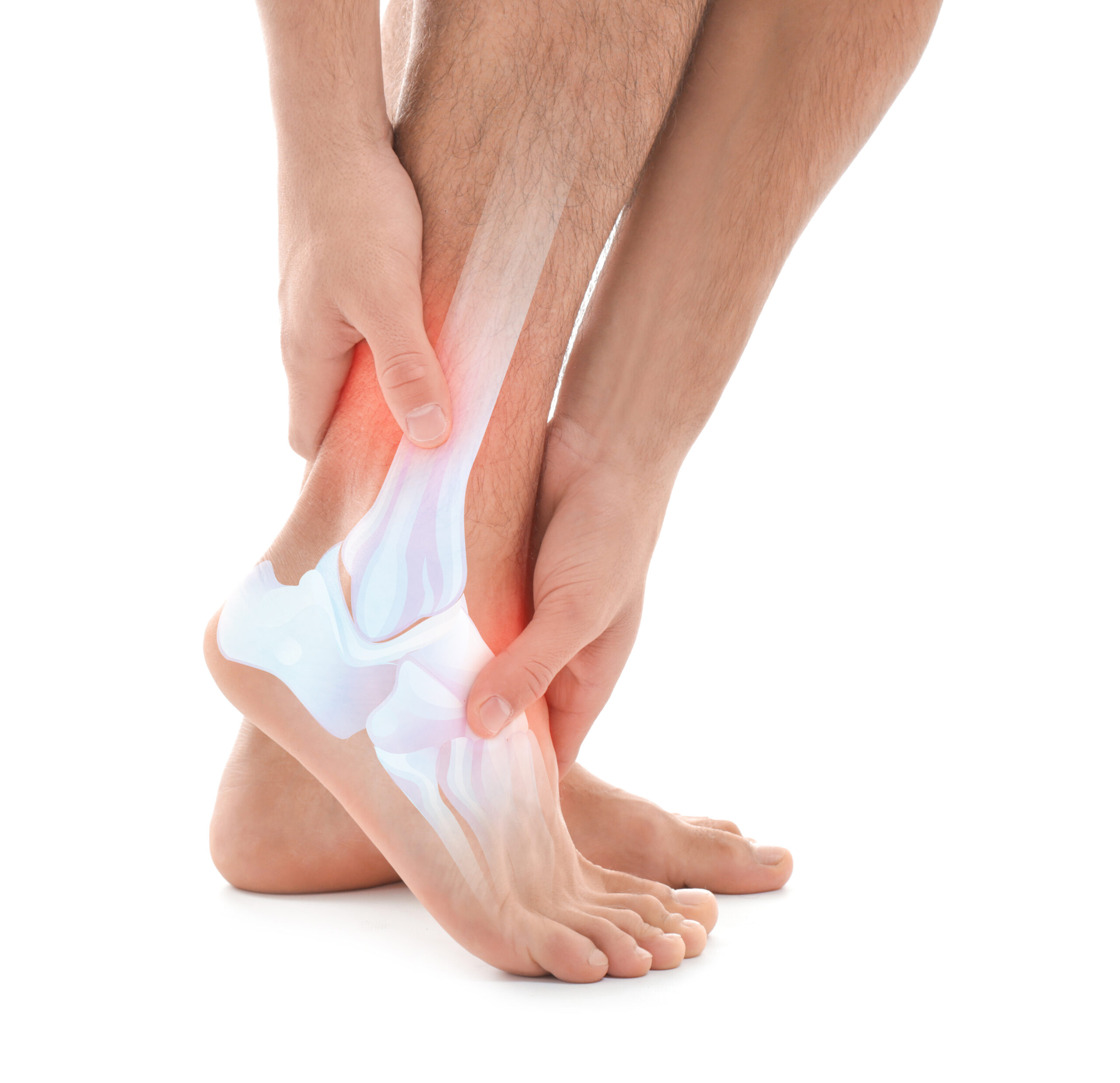
If you feel a pinch or jam in the front of your ankle, then this blog is for you.
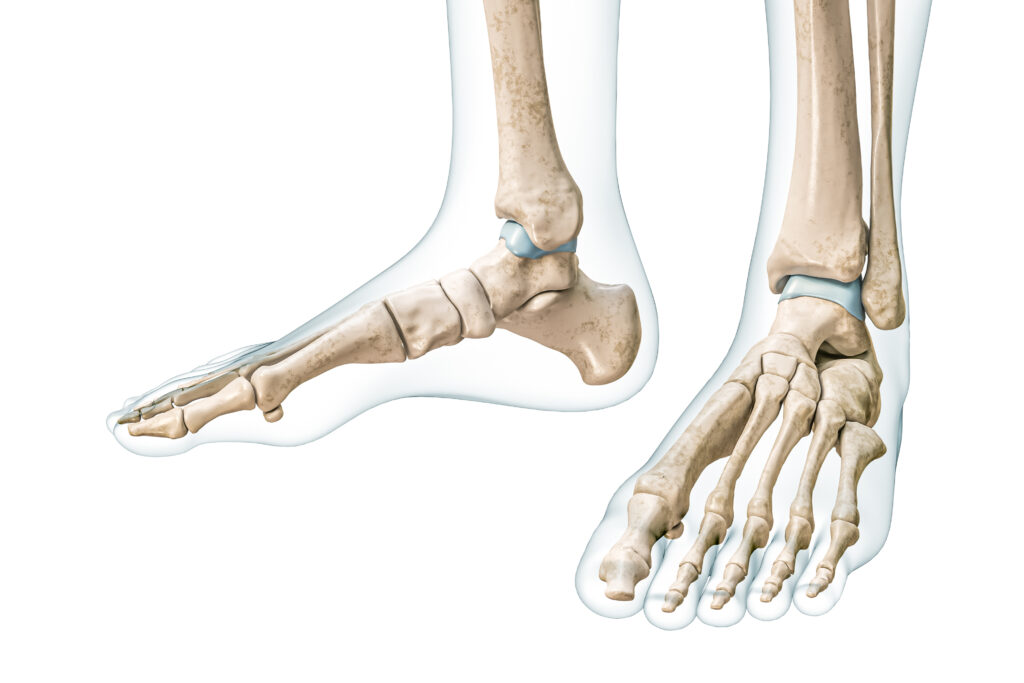
Ankle dorsiflexion isn’t a pure sagittal plane swing. This motion happens primarily in the talocrural joint, the joint between the concave distal tibia and fibula and the convex talus.
But look at the shape of the talus from the top:
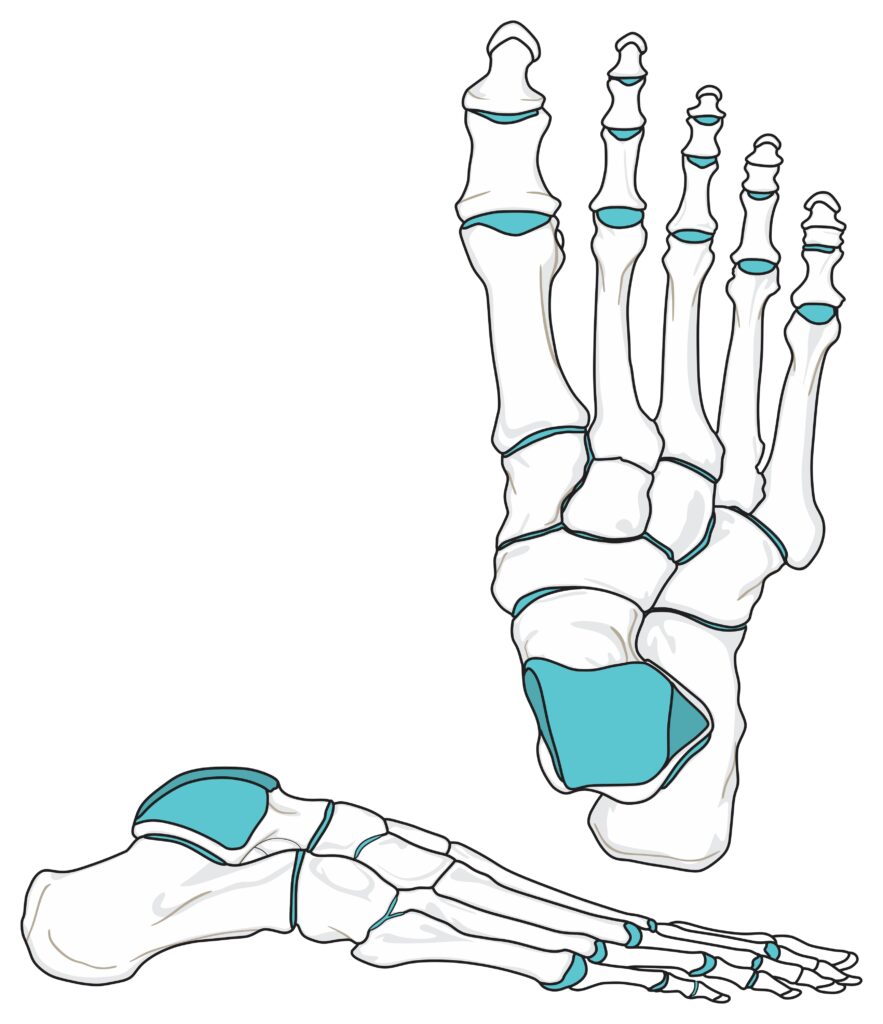
The talus is wider anteriorly and medially. This unique shape allows for the tibia to internally rotate when you dorsiflex in a closed chain position (foot on the ground) and/or for the foot to externally rotate in the open chain position when you pull your toes towards your shin.
In other words, based on the shape of the talus, when your toes move towards your shin (dorsiflex), your toes should also point out (externally rotate). Pronation is a part of dorsiflexion.
When things go wrong…
If your ankle stays supinated throughout dorsiflexion, you will experience an ankle “jam” in the front. Persistent jamming of the talocrural joint may cause talar dome injuries (osteoarthritis) and have ramifications up the biomechanical chain, not the least of which is the knee jam we talked about last week.
Here is a short list of things that may contribute to an ankle jam and some quick fixes:
- Decreased subtalar joint eversion (mobilize it)
- Trigger points in the tibialis posterior (release it)
- Trigger points or fascial restrictions in the tibialis anterior (release it)
- Posterior capsule tightness (mobilize it)
- Trigger points in the medial gastrocnemius (release it)
And when you’re done, test it with this:

This is a human doing a downward dog while the dog looks on like a human. She’s happy because her ankles are not jamming. The dog is happy because if it rains, it won’t get wet.
Test your ankles for a jam and fix what you find.
Because nobody has time to be in pain.
Until next time…

Kind Regards,
MoveWell Academy
[email protected]