

Kinesiology THURSDAY – The Psoas Neck Release
I had a patient recently with a long standing complaint of limitation with left cervical rotation and severe cervical paraspinal and upper trapezius tightness.

My typical evaluation/treatment procedures did not yield immediate improvement: pelvic alignment, thoracic rotation, correction of clavicular position, counter strain and soft tissue mobilization to the upper trapezius, SCM and cervical paraspinals.. But in the course of my evaluation, I discovered a severe right psoas major trigger point.
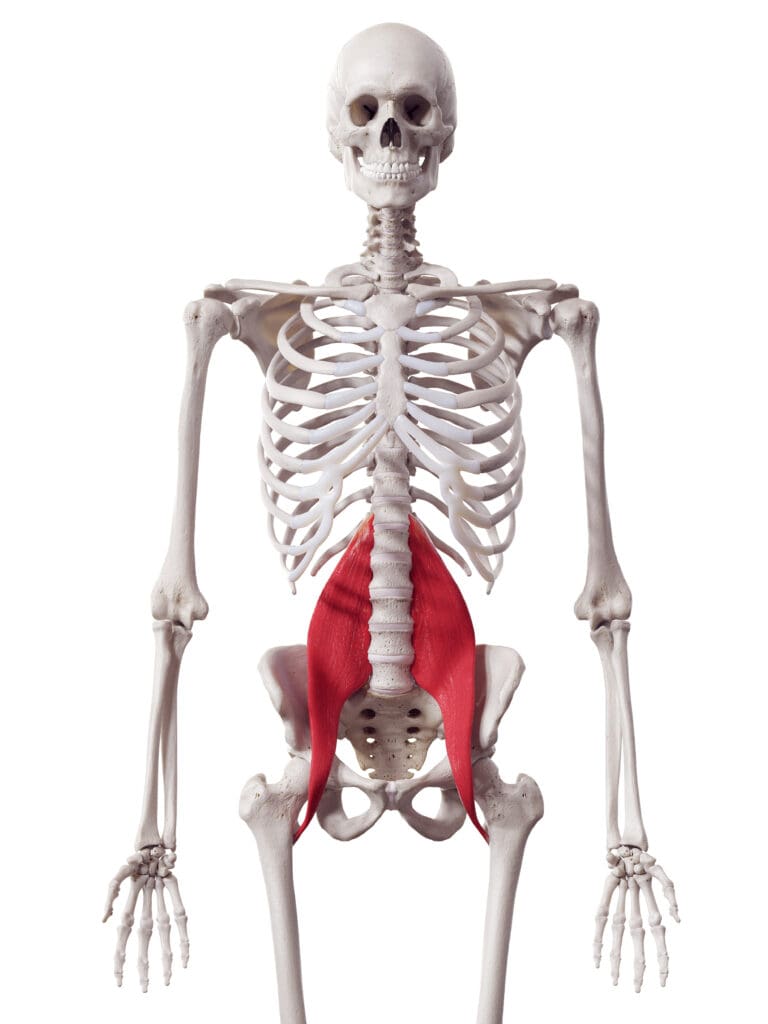
I had her perform the following:
- Power posterior pelvic tilt – this is just a posterior pelvic tilt with a strong abdominal contraction. This inhibits the psoas major through agonist/antagonist principle (the psoas major and rectus abdominus are functional antagonists. By activating one, you inhibit the other).
- Supine 90/90 rotation – this activates the abdominal muscles in the transverse plane. The psoas major is dominant in the sagittal and transverse planes.
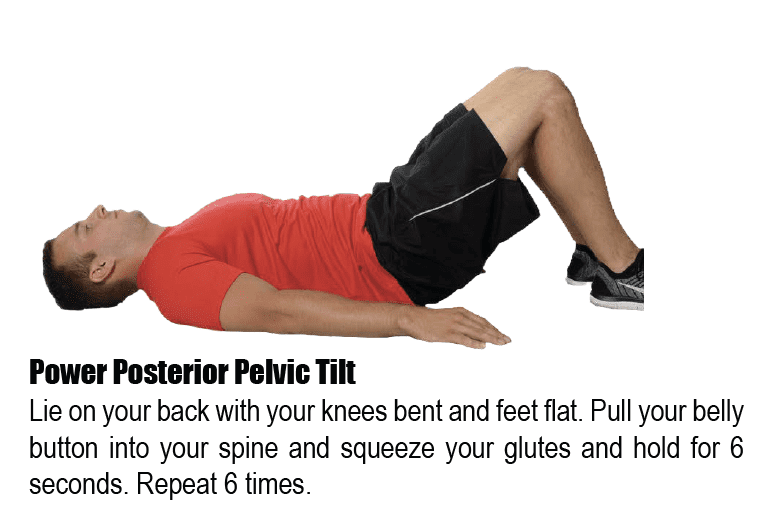
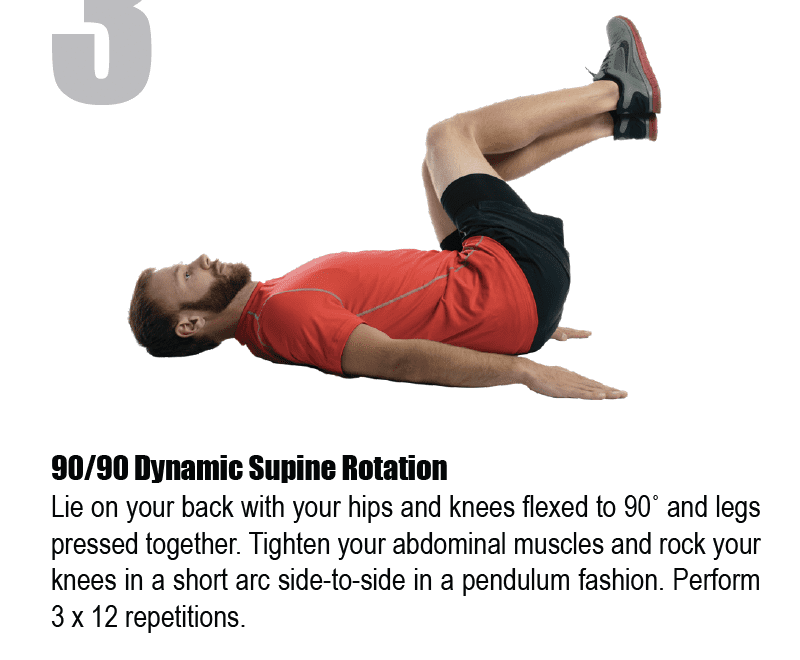
Following those two exercises, the right psoas major trigger point was eliminated AND left cervical rotation ROM was restored.
Why did that work?!
I have no idea. I have searched for a connection between the psoas major and opposite upper trapezius/SCM/cervical paraspinals to no avail. I understand the connection of a psoas trigger point causing ipsilateral upper trapezius/SCM tightness, but not this scenario.
This is another example of following the rule: fix what you find. And then always re-check. Lots of things were discovered by accident: penicillin, post-it notes, play dough and velcro. And now, a psoas to opposite neck connection.
Be open to solutions in mysterious places.
Because nobody has time to be in pain.
Until next time…

Kind Regards,
MoveWell Academy
[email protected]