
All About You FRIDAY – Handing Down History
In 1796, in the German town of Markneukirchen, Christian Frederick Martin was born to a family of wood workers and cabinet makers. Markneukirchen was known for being a town of instrument builders, primarily violins, and growing up around wood, young Christian decided to learn to build guitars. He cut his teeth in his father’s shop but soon moved to Vienna to apprentice under Johan Georg Stauffer.
In 1833, Christian immigrated to the United States and set up shop at 196 Hudson Street in NYC. Five years later, he moved the company to Nazareth, Pennsylvania where the company headquarters and factory still reside. In January of this year, they made their 3 millionth guitar.
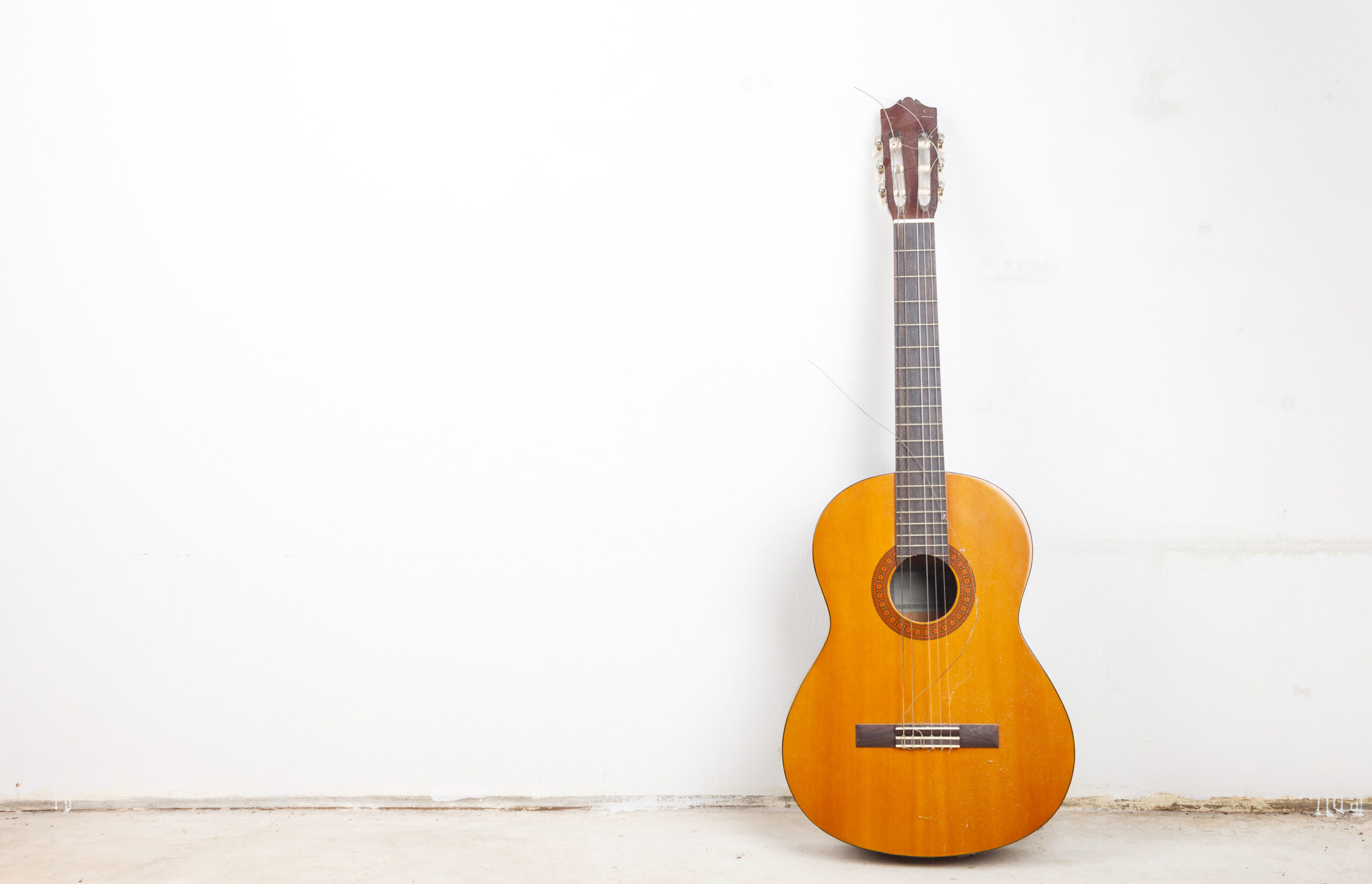
You’ve seen Martin guitars. They took the stage at Woodstock. They have been played by Johnny Cash, John Lennon, Kurt Cobain, Eric Clapton, John Mayer and so many more. Anyone who’s picked up a Martin knows they aren’t just playing a guitar…they are playing history.
“My 1969 D-28 has been with me through everything,” a patient said to me yesterday of her Martin guitar. “It is my heart.” She bought it in 1969 and has played it on stages all over the country. It has sweat marks and dings. One time, a gust of wind blew it off the stage. It’s been sent to the factory three times for repairs. She doesn’t get rid of her Martin, because you don’t just dump history. You continue to make it.
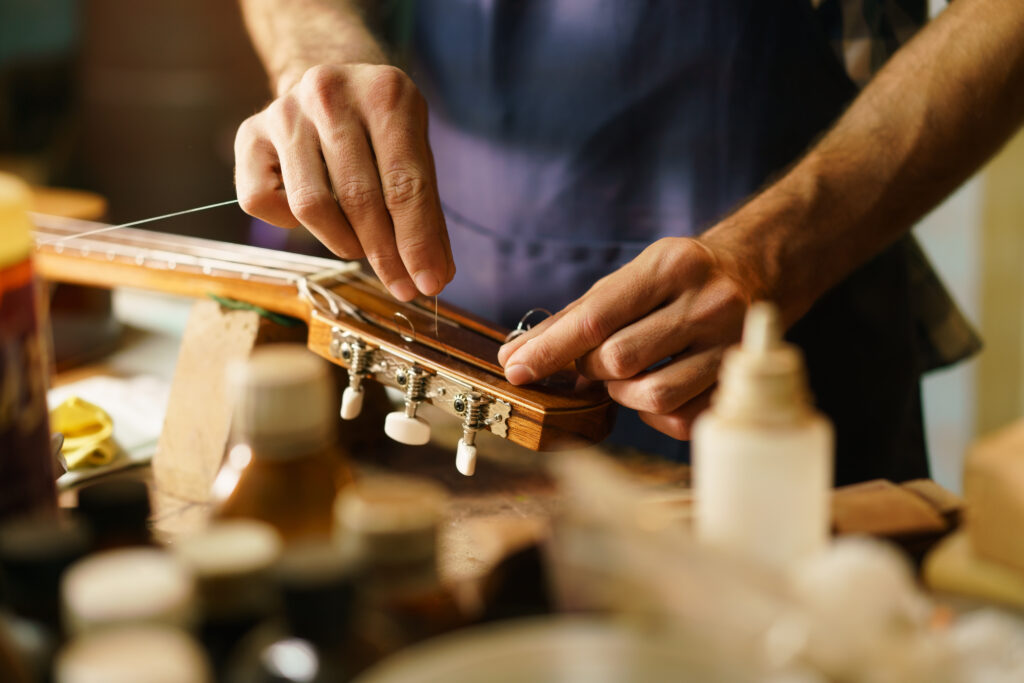
Martin makes 193 guitars a day, but it takes about 9 months for one guitar to make it from bare wood to the showroom floor. Though automation is built into the modern guitar making process, the thing that makes the Martin guitar so special is how many human hands touch the instrument in the process. Hands trained in the tradition of the original guitar maker, with passion and pride.
I know, because I visited the CF Martin Guitar factory several years ago.
Every station, every worker added their talent to the instrument as it landed at their station. And as I moved from the raw wood room, to the area where they book matched and chose the grain pattern for the guitar, to the people working on the X-bracing on the inside to the ones sanding and staining the guitars, I began to understand the true value of these instruments.
There is something to be said for passion and people over process. There are lots of guitar factories, but not all of them have workers who can look inside of a guitar and say, “I put the strings on that one!” Martin’s people do.
The company is still owned by the Martin family, with the great-great-great-great grandson of Christian Frederick Martin still acting as Executive Chairman. And, yes, his name is Chris.
I own a Martin guitar. Mine is made in Mexico. I dream of owning an American-made Martin and when I’m ready to purchase one, I will go back to the factory and pick it up from there just so I can feel like I’m picking it up from where it was born.
But here’s the thing. I look at my Martin LX1E and there is history. That guitar has carried me through some tough times. I bought it because it was small enough to play while I was sitting on my bed on those lonely nights when this house was empty. I played it most during the pandemic, a time when I wondered if my business would survive. And that guitar was the first one I played as a duo on a stage with my best friend. When I pick it up, all those memories come rushing back. I will probably never give up that guitar.
It makes me realize we should keep making history. We should keep handing down and teaching the things we touch. In this world of automation and recycling, the Martin guitar reminds me of how important tradition is.
So, show a young person how to make something. Or hand down a recipe. Write down some advice. And tell them the story behind what you are doing. Make sure what you hand down is something you’ve touched and something that has touched you. It will make a difference. When the world around them comes crashing down, they will have history to hang on to.
It’s been a long week. Don’t forget to celebrate. After dessert, I think I’ll play my Martin.
Until next time…

Kind Regards,
MoveWell Academy
[email protected]